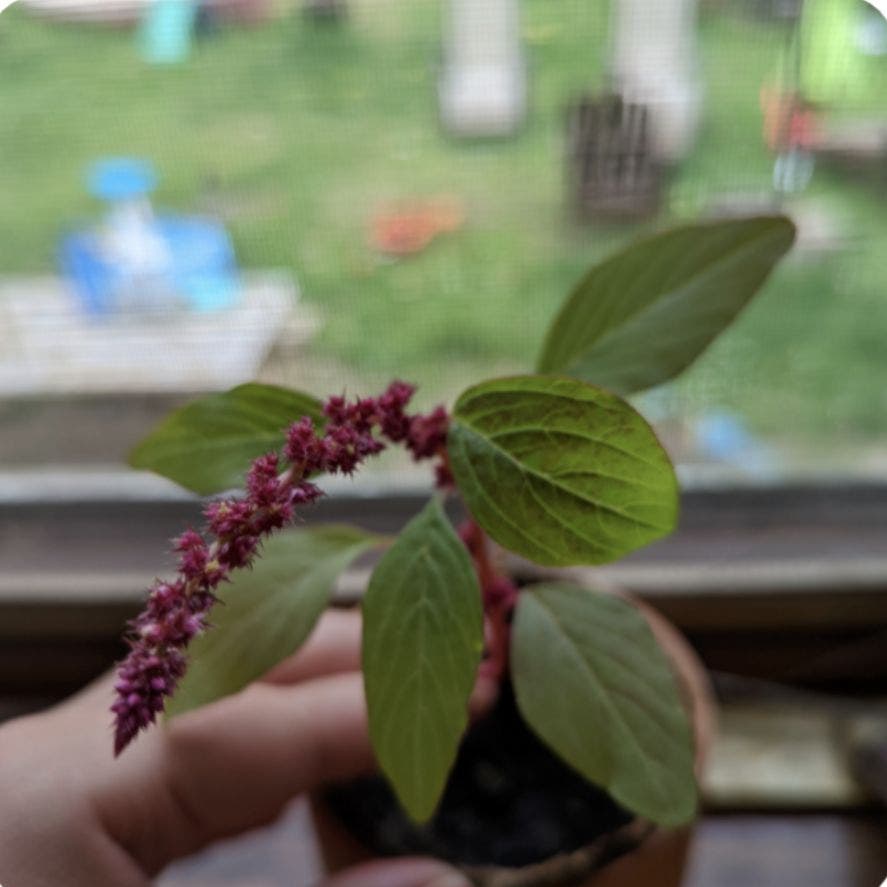
Best Tips for Prince-of-Wales Feather Health 🦚
Amaranthus hypochondriacus
By the Greg Editorial Team
Sep 29, 2024•6 min read
This article was created with the help of AI so we can cover more plants for you. May contain errors. See one? Report it here.
Master plant care by quickly identifying distress signals in your Prince-of-Wales feather! 🌱
- 🌱 Wilting leaves indicate watering issues; check for over or underwatering.
- 🌞 Insufficient light causes stunted growth; ensure proper light conditions for health.
- 🦠 Fungal growth signals disease; act quickly to protect your Prince-of-Wales feather.
Recognizing Unhealthy Plant Symptoms
🌱 Wilting or Drooping Leaves
One of the first signs your Prince-of-Wales feather may be struggling is wilting or drooping leaves. This can indicate that the plant is either overwatered or underwatered, so pay close attention.
💛 Discoloration: Yellowing or Browning of Leaves
Discoloration is another red flag. If you notice yellowing or browning leaves, it could signal nutrient deficiencies or improper watering practices.
🦠 Fuzzy Growth on Leaves or Stems
Fuzzy growth on your plant's leaves or stems often points to fungal issues, such as powdery mildew. This can spread quickly, so it's crucial to act fast.
🚫 Stunted Growth or Lack of New Growth
If your plant seems to be stuck in a growth rut, it might be time to investigate. Stunted growth or a lack of new leaves can indicate underlying problems, such as insufficient light or nutrients.
Recognizing these symptoms early can make all the difference in maintaining the health of your Prince-of-Wales feather. By staying vigilant, you can ensure your plant thrives and flourishes.
Common Problems
💧 Incorrect Watering
Identifying Issues
Overwatering and underwatering are common pitfalls for plant owners. Signs of overwatering include yellowing leaves, mushy stems, and root rot, while underwatered plants show wilting, dry leaves, and crispy edges.
Causes
Overwatering often stems from poor drainage, excessive rainfall, or watering too frequently. Conversely, underwatering can result from infrequent watering, high temperatures, or dry air.
Resolution Steps
- Check soil moisture with a finger test (1-2 inches deep).
- For overwatered plants, reduce watering frequency and improve drainage.
- For underwatered plants, gradually increase watering until the soil is consistently moist.
💡 Incorrect Light Conditions
Identifying Issues
Light conditions can make or break your plant's health. Inadequate light leads to leggy growth, leaning towards the light source, and pale leaves, while excessive light results in scorched leaf tips and browning.
Causes
Inadequate light often occurs due to insufficient natural light or placement in dark areas. Excessive light can happen from direct sunlight exposure or being too close to heat sources.
Resolution Steps
- Assess light conditions: Move the plant to a location with filtered light.
- Use sheer curtains to diffuse harsh sunlight if necessary.
- Rotate the plant regularly for even light exposure.
🌡️ Incorrect Temperature
Symptoms
Temperature extremes can stress your plant. Symptoms include leaves dropping or wilting and stunted growth or slow development.
Causes
Too cold temperatures arise from exposure to drafts or being below 15°C (59°F). On the flip side, temperatures above 30°C (86°F) or proximity to heat sources can cause overheating.
Resolution Steps
- Maintain a stable temperature range of 20-25°C (68-77°F).
- Use a thermometer to monitor temperature conditions.
- Relocate the plant away from drafts or heat sources.
🐛 Pests
Common Pests
Pests can wreak havoc on your plants. Common culprits include spider mites, which leave fine webbing and stippled leaves, and mealybugs, identifiable by their white, cottony masses.
Identification
Spider mites cause yellowing leaves and webbing on the undersides, while mealybugs leave sticky residue and can lead to leaf drop.
Treatment Options
- Remove pests manually with a damp cloth.
- Use insecticidal soap or neem oil for severe infestations.
- Introduce beneficial insects like ladybugs for natural pest control.
🦠 Diseases
Common Diseases
Diseases can be tricky to spot. Look out for powdery mildew, which presents as white, powdery spots, rust with orange or yellow spots, black rot with dark lesions, and blight that causes rapid wilting.
Symptoms
Powdery mildew shows fuzzy white growth on leaves, while rust leads to leaf discoloration and premature leaf drop.
Treatment and Prevention
- Improve air circulation around the plant.
- Apply fungicides as needed for severe cases.
- Remove affected leaves and avoid overhead watering.
🌱 Root Problems
Identifying Issues
Root issues can be a silent killer. Root rot manifests as dark, mushy roots with a foul smell, while squishy roots are soft and discolored.
Causes
Overwatering and poor drainage lead to root rot, while compacted soil can cause squishy roots.
Resolution Steps
- Remove the plant from its pot and inspect roots.
- Trim away affected roots and repot in fresh, well-draining soil.
- Adjust the watering schedule to prevent recurrence.
🍃 Leaf Issues
Symptoms
Leaf issues can signal underlying problems. Scorching appears as brown, crispy edges, while yellowing can be general or specific to stems. Fuzzy growth may indicate powdery mildew.
Causes
Scorching often results from excessive light or heat stress, while yellowing can stem from nutrient deficiencies or overwatering.
Resolution Steps
- Adjust light exposure and temperature conditions.
- Fertilize with a balanced fertilizer to address nutrient deficiencies.
- Treat fungal issues with appropriate fungicides.
🌿 Growth Problems
Identifying Issues
Growth problems can be frustrating. Signs include a lack of new leaves or stems, failure to produce flowers or fruit, leaning towards light, leggy growth, and etiolated stems.
Causes
Insufficient light or nutrients can stunt growth, while overcrowding or poor soil conditions can lead to leggy growth.
Resolution Steps
- Ensure adequate light and nutrients for optimal growth.
- Prune leggy stems to encourage bushier growth.
- Repot if overcrowded to provide more space for roots.
Understanding these common problems is crucial for maintaining the health of your Prince-of-Wales feather. By addressing these issues promptly, you can ensure your plant thrives and flourishes. Next, let’s explore preventive measures to keep your plant in top shape.
Preventive Measures
Best Practices 🌱
To keep your Prince-of-Wales feather healthy, consistent watering and humidity levels are essential. Aim for a balance that avoids both drought and waterlogging.
Providing adequate light and temperature conditions is equally important. Ensure your plant receives filtered light and is kept in a stable environment, ideally between 20-25°C (68-77°F).
Importance of Monitoring 🔍
Regular inspections for pests and diseases can save your plant from significant damage. Keep an eye out for any unusual signs, and act quickly if you notice anything off.
Monitoring soil moisture and overall plant health is crucial. A quick finger test can help you gauge when your plant needs water, preventing both over and underwatering.
Using the Greg Plant Care App 📱
Consider using the Greg Plant Care App for a more tailored approach to plant care. Set reminders for watering, fertilizing, and pest checks to stay on top of your plant's needs.
The app also offers personalized care tips based on your plant's specific requirements. This way, you can ensure your Prince-of-Wales feather thrives with minimal effort.
By implementing these preventive measures, you can enjoy a flourishing plant and avoid many common issues. Next, let’s dive into the common problems that might arise and how to tackle them effectively.
⚠️ Safety First
This content is for general information and may contain errors, omissions, or outdated details. It is not medical, veterinary advice, or an endorsement of therapeutic claims.
Always consult a qualified healthcare professional before using any plant as food, medicine, or supplement.
Never eat any plant (or feed one to pets) without confirming its identity with at least two trusted sources.
If you suspect poisoning, call Poison Control (800) 222-1222, the Pet Poison Helpline (800) 213-6680, or your local emergency service immediately.
Spotted an error? Please report it here.
Keep your Prince-of-Wales feather thriving 🌱 by using Greg's tailored watering and pest alerts to ensure it gets the care it needs for vibrant growth!