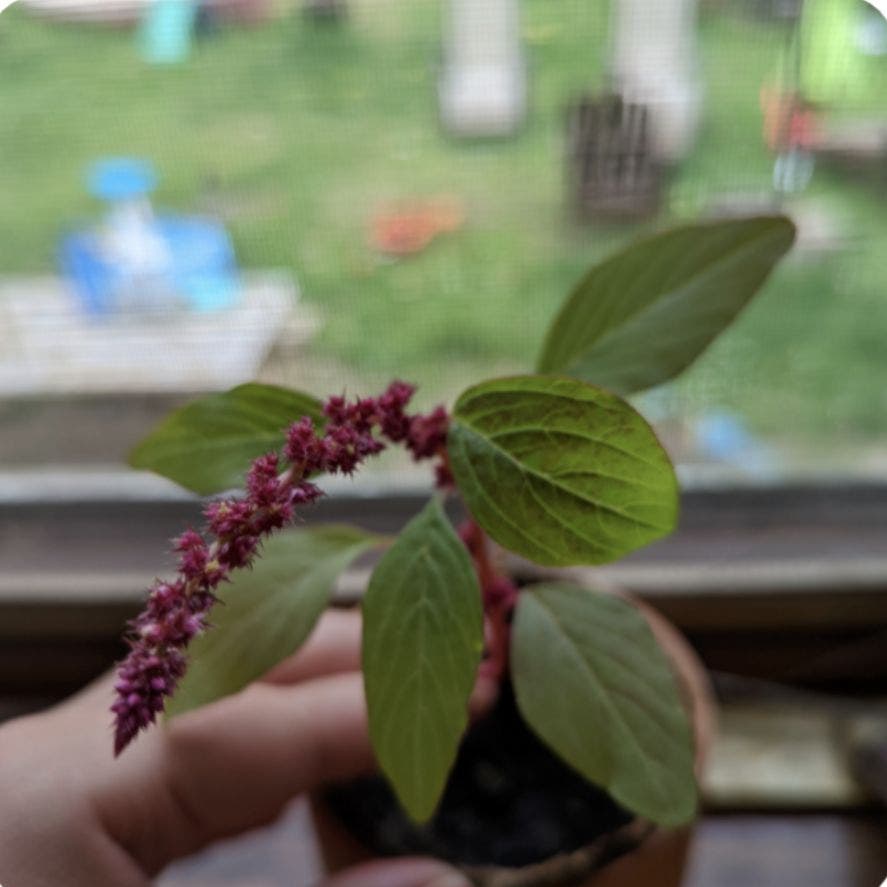
🪶 Propagating Prince-of-Wales Feather: Step-by-Step Guide
Amaranthus hypochondriacus
By the Greg Editorial Team
Sep 29, 2024•5 min read
This article was created with the help of AI so we can cover more plants for you. May contain errors. See one? Report it here.
Unlock vibrant greenery in your garden 🌱 by mastering the art of plant propagation for endless beauty!
- 🌱 Start with a healthy Prince-of-Wales Feather for successful propagation.
- 🌡️ Maintain 20°C to 25°C and 60% humidity for optimal growth.
- 🧪 Use rooting hormone on cuttings to boost root development chances.
Division Propagation
🌱 Step-by-Step Guide to Division
- Select a healthy, mature plant. Choose one that shows vibrant leaves and a robust root system.
- Carefully remove the plant from its pot. Take your time to minimize root disturbance; this helps ensure a successful division.
- Gently separate the root ball into sections. Each section should have at least one healthy stem and root to thrive.
- Trim any damaged roots. Use sterilized scissors to prevent disease and promote healthy growth.
- Replant each section. Use fresh soil mix in suitable pots to give your new plants the best start.
🌡️ Ideal Conditions for Division
Temperature
Maintain a warm environment between 20°C to 25°C (68°F to 77°F). This temperature range encourages growth and recovery.
Humidity
Aim for high humidity levels of 60% or more. This helps the roots establish more quickly after division.
Light
Provide indirect light to prevent stress on your newly divided plants. Too much direct sunlight can hinder their recovery.
🌿 Post-Division Care
Watering
Keep the soil consistently moist but avoid sogginess. Overwatering can lead to root rot, which is detrimental to young plants.
Fertilization
Wait at least 4-6 weeks before applying fertilizer. This allows the roots to establish themselves without the added stress of nutrients.
Monitoring
Regularly check for signs of stress or disease. Early detection can make a significant difference in the health of your plants.
By following these steps and guidelines, you'll set your Prince-of-Wales Feather up for success. Next, let's explore cutting propagation, another effective method for multiplying your plants.
Cutting Propagation
🌱 How to Take Cuttings
To start, select healthy stems that boast several leaves. Using sterilized scissors, cut a 4-6 inch section from the tip of the stem, ensuring each cutting has at least one node.
🧪 Preparing Cuttings for Rooting
Next, remove the lower leaves froot rotbottom half of the cutting. This helps reduce moisture loss and prepares the cutting for rooting.
⏳ Allowing Cuttings to Callous
After trimming, let the cuttings sit in a dry, shaded area for a few hours. This process allows them to form a protective callous, which is crucial for successful rooting.
🌿 Using Rooting Hormone Effectively
For better results, dip the cut end of each cutting into rooting hormone powder. This simple step significantly increases the chances of successful root development.
🏺 Optimal Environment for Rooting
When it comes to containers, opt for small pots or trays with drainage holes.
Soil Requirements
Use a well-draining potting mix or a blend of perlite and peat to provide the right environment for your cutPrince-of-Wales Feather for Success Maintain high humidity and indirootslight for optimal rooting conditions. Consider using a humidity dome to create a mini greenhouse effect, whiclight greatly enhance success rates.
By following these steps, you’ll set your cuttings up for a thriving future. Next, let’s explore the soil and water requirements essential for successful propagation.
Soil and Water Requirements
Best Soil Mix for Propagation 🌱
For successful propagation, the right soil mix is crucial. Combine peat moss, perlite, and vermiculite to ensure excellent aeration and drainage.
Aim for a slightly acidic to neutral pH level, ideally between 6.0 and 7.0. This balance supports healthy root development and overall plant vigor.
Wateriwateringiques During Propagation 💧
Watering is a key underwateringpagation success. After planting your cuttings or divisions, water the soil thoroughly to establish moisture.
For ongoing care, check the top inch of soil. Water when it feels dry, but be cautious—overwatering can lead to rootHumidityich is a common pitfall for many gardeners.
By following thesedrying outwatering guidelines, you set the stage for thriving plants. Next, let’s explore the best timing and seamoisture levelstions for propagation.
Timing and Sewateringonsiderations
Best Time of Year for Propagatsterilized tools the prime season for propagating the Prince-of-Wales Feather. As the plant awakens from dormancy, it enters an active growth phase, making it the perfect time for both division and cutting propagation.
Fall can also work for division, but be cautious with cuttings. Reduced light levels can hinder their success, so timing is crucial.
Seasonal Growth Patterns 🌸
Understanding the plant's growth cycle is essential. During spring and summer, the Prince-of-Wales Feather thrives, actively growing and establishing roots.
In contrast, fall and winter bring dormancy. Adjust your care routines based on these seasonal changes in light and temperature to ensure optimal growth.
By aligning your propagation efforts with these seasonal patterns, you’ll set yourself up for success. Now, let’s dive into common challenges you might face during propagation and how to tackle them effectively.
Common Challenges and Solutions
🔍 Troubleshooting Propagation Issues
Propagation can sometimes feel like a game of patience. If you notice slow root development, ensure your plants are in a warm, humid environment; a heat mat can work wonders.
Wilting cuttings are another common issue. This often signals a watering problem, so check if you're overwatering or underwatering and adjust your schedule accordingly.
❌ Avoiding Common Mistakes in Propagation
One of the biggest pitfalls is overcrowding. Make sure each cutting or division has enough space to thrive without competing for resources.
Humidity is crucial, especially for cuttings. Neglecting it can lead to drying out, so keep those levels high to support healthy growth.
🌱 Propagation Success Tips
Regularly check moisture levels to keep your plants happy. Adjust your watering as needed to maintain the right balance.
Using sterilized tools is essential to prevent disease transmission. A little precaution goes a long way in ensuring your propagation efforts succeed.
Lastly, be patient. Some cuttings may take longer to root than others, but with care and attention, you'll see results.
With these tips in hand, you're well-equipped to tackle propagation challenges and foster healthy growth in your Prince-of-Wales Feather plants. Next, let’s explore the best timing and seasonal considerations for propagation.
⚠️ Safety First
This content is for general information and may contain errors, omissions, or outdated details. It is not medical, veterinary advice, or an endorsement of therapeutic claims.
Always consult a qualified healthcare professional before using any plant as food, medicine, or supplement.
Never eat any plant (or feed one to pets) without confirming its identity with at least two trusted sources.
If you suspect poisoning, call Poison Control (800) 222-1222, the Pet Poison Helpline (800) 213-6680, or your local emergency service immediately.
Spotted an error? Please report it here.
Propagate your Prince-of-Wales Feather like a pro 🌿 with Greg's tailored care tips and reminders that ensure your new plants flourish from the start!