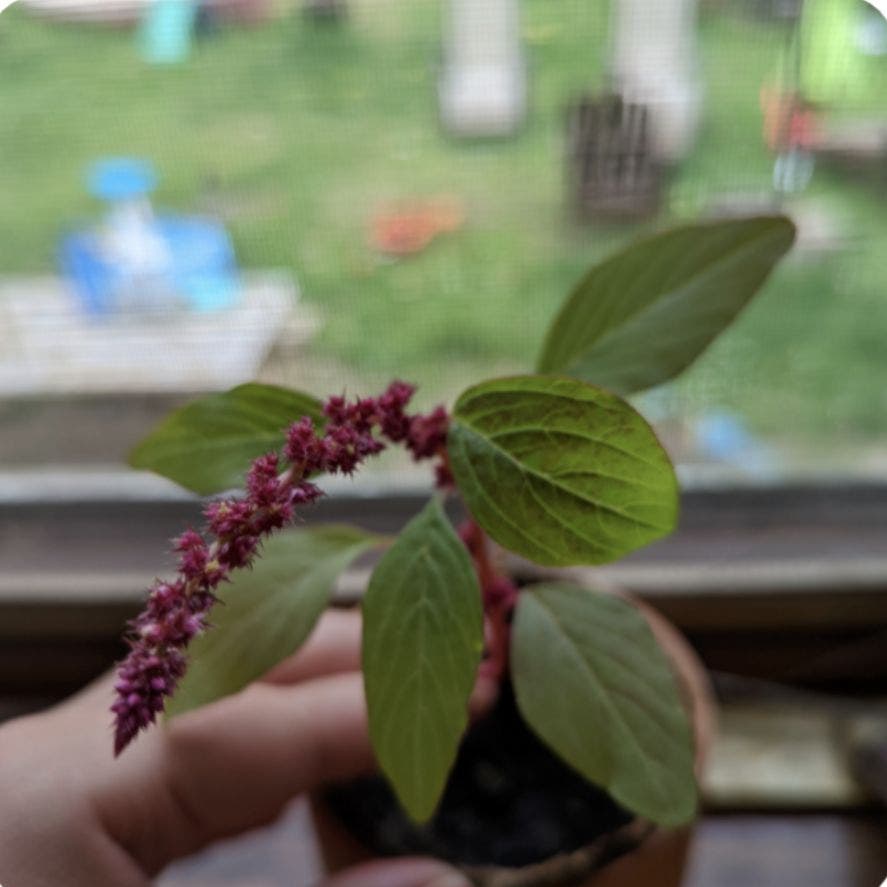
What to Do About Black Spots on Your Prince-of-Wales Feather 🪶
Amaranthus hypochondriacus
By the Greg Editorial Team
Sep 29, 2024•5 min read
This article was created with the help of AI so we can cover more plants for you. May contain errors. See one? Report it here.
Revive your Prince-of-Wales Feather 🌿 by tackling black spots with these essential care tips and treatments!
- 🌬️ Maintain humidity at 60-80% and temperatures between 20°C to 30°C for optimal growth.
- 🐛 Identify pests like spider mites early to prevent damage to your plant.
- 🌱 Use neem oil or baking soda solutions to treat black spots effectively.
Diagnosing the Problem
Assessing Environmental Conditions 🌬️
To keep your Prince-of-Wales Feather thriving, start by checking the humidity levels. Aim for a range of 60-80%; this moisture is crucial for healthy growth.
Next, consider the temperature. The optimal range is between 20°C to 30°C (68°F to 86°F). Too much fluctuation can stress your plant.
Lastly, ensure there’s good air circulation around your plant. Proper airflow helps prevent moisture buildup, which can lead to fungal issues.
Checking for Pests and Infestations 🐜
Pests can wreak havoc on your Prince-of-Wales Feather. Common culprits include spider mites, aphids, and mealybugs.
Look for signs of infestation such as webbing, sticky residue, or visible insects on the leaves. Early detection is key to managing these pests effectively.
Analyzing Watering Practices 💧
Watering practices play a significant role in plant health. Start by checking the soil moisture; it should neither be soggy nor overly dry.
Establish a watering frequency that aligns with seasonal changes and the specific needs of your plant. Consistency is essential for optimal growth.
By diagnosing these key areas, you can effectively address the black spots on your Prince-of-Wales Feather and promote a healthier plant. Next, let’s explore treatment options to tackle these issues head-on.
Treatment Options
🌱 Organic Treatments for Black Spots
Organic treatments are a fantastic first line of defense against black spots on your Prince-of-Wales Feather.
Neem Oil
Neem oil is a powerful natural remedy. To use it effectively, mix two tablespoons of neem oil with one gallon of water and a few drops of dish soap. Spray this solution on affected leaves every 7 to 14 days until the spots diminish.
Baking Soda Solution
Another effective option is a baking soda solution. Combine one tablespoon of baking soda with one gallon of water and a few drops of liquid soap. Spray this mixture on the leaves weekly to combat fungal issues.
⚗️ Chemical Treatments and Fungicides
If organic methods don’t yield results, chemical treatments may be necessary.
Recommended Fungicides
Look for fungicides containing active ingredients like copper or chlorothalonil. These are effective against various fungal infections that cause black spots.
Application Guidelines
For maximum effectiveness, apply fungicides in the early morning or late afternoon. Follow the manufacturer's instructions for timing and method to ensure the best results.
🏠 Home Remedies for Leaf Spot Issues
Home remedies can also provide relief from leaf spot problems.
Milk Spray
A milk spray is a simple yet effective solution. Mix one part milk with two parts water and spray it on the leaves every week. This can help control bacterial infections.
Diluted Vinegar Solution
A diluted vinegar solution can also be beneficial. Mix one part vinegar with three parts water and apply it to the affected areas. Be cautious, as too much vinegar can harm the plant.
With these treatment options, you can tackle black spots effectively. Next, let’s explore preventive measures to keep your Prince-of-Wales Feather thriving.
Preventive Measures
Ideal Humidity and Temperature Conditions 🌡️
Maintaining the right humidity and temperature is crucial for your Prince-of-Wales Feather. Aim for humidity levels between 60-80%; using a humidifier or pebble trays can help achieve this.
Temperature should ideally range from 20°C to 30°C (68°F to 86°F). Avoid drafts and sudden temperature changes to keep your plant thriving.
Proper Watering Techniques 💧
Watering techniques can significantly impact your plant's health. Deep watering encourages root growth, while surface watering may lead to shallow roots.
Watch for signs of overwatering, such as yellowing leaves or a soggy pot. Adjust your watering schedule based on the season and the plant's needs.
Soil and Potting Mix Recommendations 🌱
The right soil composition is essential for optimal growth. A well-draining mix enriched with organic matter will provide the nutrients your plant craves.
Consider repotting every 1-2 years to refresh the soil. This ensures your Prince-of-Wales Feather has the best environment to flourish.
By implementing these preventive measures, you can create a nurturing environment for your plant. This foundation will help you tackle any issues that may arise, leading to a healthier, more vibrant Prince-of-Wales Feather.
Ongoing Care
Regular Inspection and Maintenance 🕵️♂️
Regular inspections are key to keeping your Prince-of-Wales Feather healthy. Aim for weekly checks to catch any issues early.
During these inspections, pay close attention to changes in leaf color, texture, and overall plant vigor. These signs can indicate underlying problems that need addressing.
Seasonal Care Adjustments 🌦️
As the seasons change, so should your care routine. In winter, you may need to increase humidity and adjust your watering schedule to prevent stress on the plant.
Fertilization is also crucial; use a balanced fertilizer during the growing season and reduce or eliminate feeding in the dormant months. This ensures your plant gets the nutrients it needs when it needs them most.
Importance of Cleanliness in Plant Care 🧼
Keeping your plant clean is essential for its health. Regularly dust the leaves to prevent disease and ensure optimal photosynthesis.
Additionally, disinfect your tools before use. This simple step can prevent the spread of diseases, keeping your plant thriving and vibrant.
By maintaining a routine of inspection, seasonal adjustments, and cleanliness, you set your Prince-of-Wales Feather up for success. With these practices in place, your plant will flourish and bring beauty to your space.
⚠️ Safety First
This content is for general information and may contain errors, omissions, or outdated details. It is not medical, veterinary advice, or an endorsement of therapeutic claims.
Always consult a qualified healthcare professional before using any plant as food, medicine, or supplement.
Never eat any plant (or feed one to pets) without confirming its identity with at least two trusted sources.
If you suspect poisoning, call Poison Control (800) 222-1222, the Pet Poison Helpline (800) 213-6680, or your local emergency service immediately.
Spotted an error? Please report it here.
Keep your Prince-of-Wales Feather spotless 🌿 by using Greg's tailored care reminders and tips to create the perfect environment for thriving growth!