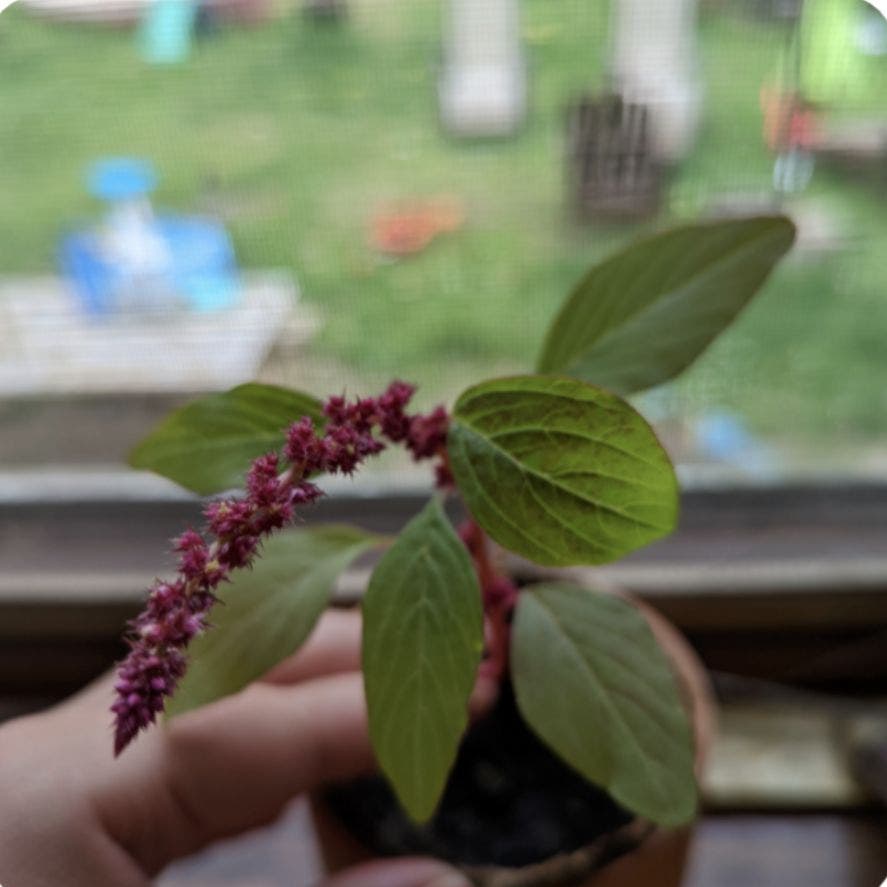
Ultimate Guide to Fertilizing Prince-of-Wales Feather 🦚
Amaranthus hypochondriacus
By the Greg Editorial Team
Sep 29, 2024•5 min read
This article was created with the help of AI so we can cover more plants for you. May contain errors. See one? Report it here.
Ensure your Prince-of-Wales Feather thrives 🌱 with expert fertilization tips and avoid common pitfalls for vibrant growth!
- 🌱 Choose the right fertilizer type for optimal health of your Prince-of-Wales Feather.
- 💧 Dilute liquid fertilizers to prevent damage and enhance nutrient absorption.
- 🌼 Fertilize monthly in summer; adjust frequency based on plant age and season.
Fertilizer Types and Application
🌱 Best Fertilizers
When it comes to fertilizing your Prince-of-Wales Feather, choosing the right type of fertilizer is crucial. Organic options like compost, well-rotted manure, and fish emulsion provide essential nutrients while enriching the soil.
For those who prefer liquid fertilizers, look for balanced formulations that include micronutrients. These are particularly effective during the growing season. Additionally, slow-release fertilizers offer granular options that ensure a consistent nutrient supply over time.
💧 How to Apply Liquid Fertilizer
Applying liquid fertilizer can be straightforward if you follow a few simple steps:
- Dilution: Always adhere to the package instructions for mixing ratios to avoid harming your plant.
- Application method: Water the plant thoroughly before applying the fertilizer to help it absorb nutrients effectively.
- Timing: Aim to apply during the growing season, specifically in spring and summer, when your plant is most active.
⏳ Using Slow-Release Fertilizers
Slow-release fertilizers can be a game changer for your plant care routine.
- Application rate: Follow the manufacturer guidelines, which typically recommend 1-2 tablespoons per pot.
- Timing: Apply these fertilizers at the beginning of the growing season to set your plant up for success.
- Benefits: They reduce the risk of nutrient leaching and provide steady nutrition, making them a reliable choice for busy gardeners.
With the right fertilizers and application methods, your Prince-of-Wales Feather will thrive. Next, let’s explore how to create an effective fertilization schedule tailored to your plant’s needs.
Fertilization Schedule
🌱 Seasonal Fertilization Guide
Spring is the perfect time to kick off your fertilization routine. As new growth appears, it’s essential to start feeding your Prince-of-Wales Feather to support its vibrant development.
In summer, keep the momentum going with monthly applications. This is when your plant is most active, and consistent nourishment will help it thrive.
As fall approaches, it's time to dial back. Reduce the frequency of fertilization as growth slows, and remember to stop altogether during winter when the plant is dormant.
⏰ Frequency of Fertilization During Growth Stages
For young plants, aim to fertilize every 4-6 weeks. This regular feeding will help establish a strong foundation for future growth.
Established plants can be fertilized every 6-8 weeks. This less frequent schedule reflects their more stable nutrient needs.
Always be ready to adjust based on how your plant responds. Observing its growth will guide you in fine-tuning your fertilization approach for optimal health.
With a solid fertilization schedule in place, your Prince-of-Wales Feather will be well on its way to flourishing. Next, let’s explore how to avoid over-fertilization and keep your plant in peak condition.
Avoiding Over-Fertilization
🌱 Symptoms of Over-Fertilization
Over-fertilization can be a sneaky problem for your Prince-of-Wales Feather. One of the first signs is leaf burn, where you’ll notice brown tips and edges on the fronds.
Another red flag is stunted growth. If your plant isn’t producing new growth despite your best care, it might be time to reassess your fertilization routine. Lastly, look out for soil salt buildup, which appears as a white crust on the soil surface. This indicates excess nutrients that can harm your plant.
🚨 How to Correct Over-Fertilization Issues
If you suspect over-fertilization, take immediate action. Start by flushing the soil with water to dilute those excess nutrients. This helps restore balance and gives your plant a fighting chance.
Next, keep a close eye on your plant’s response over the following weeks. Monitoring is crucial to see if your efforts are paying off. Finally, consider adjusting your future fertilization practices. Reducing both the frequency and concentration of fertilizer can help prevent similar issues down the line.
By staying vigilant and responsive, you can ensure your Prince-of-Wales Feather thrives without the risk of over-fertilization. Now, let’s explore the best practices for creating a fertilization schedule that suits your plant’s needs.
Special Considerations
🌱 Fertilizing in Different Environments
Indoor Techniques
Light levels play a crucial role in how often you should fertilize your Prince-of-Wales Feather. If your plant is basking in bright light, it may need more frequent feeding compared to those in lower light conditions.
Container size also matters. Smaller pots tend to dry out faster and may require more frequent fertilization to ensure your plant gets the nutrients it needs.
Outdoor Techniques
Soil preparation is essential for outdoor plants. Amend your soil to ensure it drains well, as soggy roots can lead to nutrient deficiencies.
Environmental factors like rainfall and humidity can affect your fertilization schedule. Be prepared to adjust your feeding routine based on these conditions to keep your plant thriving.
🌿 Adjusting Fertilization for Varieties
Different cultivars of the Prince-of-Wales Feather may have unique nutrient needs. Recognizing these specific requirements can help you tailor your fertilization approach effectively.
Consider the growth habits and environmental conditions of your specific variety. This will allow you to provide the best care and ensure optimal growth for your plant.
With these special considerations in mind, you can create a fertilization plan that meets the unique needs of your Prince-of-Wales Feather, setting the stage for vibrant growth and health. Next, let’s explore how to avoid over-fertilization and its potential pitfalls.
⚠️ Safety First
This content is for general information and may contain errors, omissions, or outdated details. It is not medical, veterinary advice, or an endorsement of therapeutic claims.
Always consult a qualified healthcare professional before using any plant as food, medicine, or supplement.
Never eat any plant (or feed one to pets) without confirming its identity with at least two trusted sources.
If you suspect poisoning, call Poison Control (800) 222-1222, the Pet Poison Helpline (800) 213-6680, or your local emergency service immediately.
Spotted an error? Please report it here.
Elevate your Prince-of-Wales Feather's growth with smart fertilization tips 🌿 from Greg, ensuring it gets the right nutrients at the right time for stunning results!