🐛 What's Eating Your Prince-of-Wales Feather
Amaranthus hypochondriacus
By the Greg Editorial Team
Oct 01, 2024•6 min read
This article was created with the help of AI so we can cover more plants for you. May contain errors. See one? Report it here.
Safeguard your Prince-of-Wales feather 🌿 from herbivores while inviting beneficial wildlife for a flourishing garden!
- 🌿 Prince-of-Wales feather attracts wildlife but is vulnerable to herbivores like deer and rabbits.
- 🦌 Signs of deer damage include hoof prints; use repellents and plant resistant species.
- 🐇 Monitor for herbivores regularly to protect your plants and maintain garden health.
Description and Appeal
Appearance and Characteristics 🌿
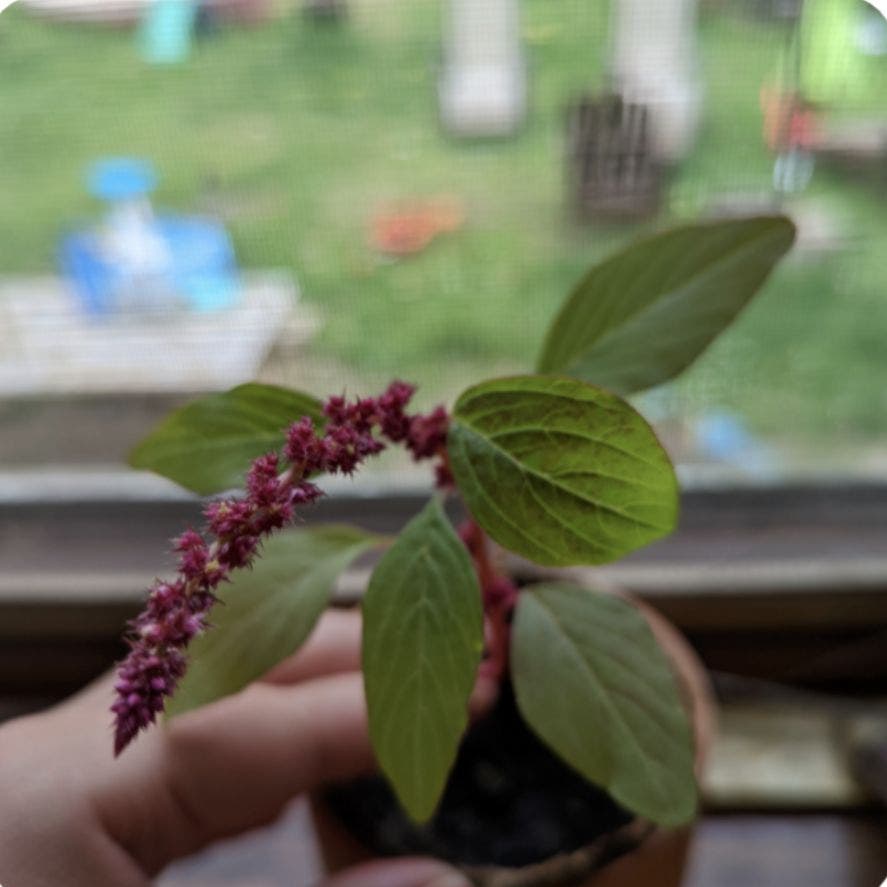
The Prince-of-Wales feather boasts a unique feathery appearance, characterized by its delicate, lacy foliage. Its color ranges from vibrant green to light green, offering a soft texture that adds a touch of elegance to any garden.
This plant typically forms dense clumps, thriving in moist, shaded areas. Its growth habit not only enhances its visual appeal but also creates a lush environment for various wildlife.
Most Appealing Parts to Animals 🐾
Young shoots are particularly enticing, as they are tender and packed with nutrients. These shoots serve as a vital food source for many herbivores.
The flowers of the Prince-of-Wales feather attract a variety of pollinators and herbivores alike. Additionally, its nutrient-rich fruits draw in an array of animals, making it a focal point in the ecosystem.
This plant's allure lies not just in its beauty but also in its role as a food source, contributing to the vibrant life around it.
Common Herbivores
🦌 Deer
Signs of Presence and Damage
Look for hoof prints in muddy areas; these are clear indicators of deer activity. Browsing damage is evident when leaves and young shoots are stripped, often leading to stunted growth.
Interaction Type
Deer interactions are generally harmful. If not managed, they can decimate plant populations, leaving gardens vulnerable.
Deterrent Methods
To deter deer, consider using commercial deer repellents. Alternatively, plant deer-resistant species nearby or use human hair and soap shavings as organic deterrents.
🐇 Rabbits
Signs of Presence and Damage
Rabbits leave small, round droppings near the plant, which can be a telltale sign. You'll also notice cleanly cut stems and leaves, often nibbled right at ground level.
Interaction Type
Rabbits are generally harmful to plants. Their feeding habits can lead to significant damage, especially in young gardens.
Deterrent Methods
Bitter-tasting sprays can effectively deter rabbits. For a more organic approach, install fencing that is 2-3 feet high or sprinkle cayenne pepper around the plants.
🐿️ Squirrels
Signs of Presence and Damage
Chewed leaves and stems with jagged edges indicate squirrel activity. Additionally, look for signs of nesting, such as digging around the base of the plant.
Interaction Type
Squirrels typically cause significant foliage loss. Their playful antics can quickly turn destructive if left unchecked.
Deterrent Methods
Commercial squirrel repellents can help keep these critters at bay. For a more hands-on approach, consider installing motion-activated sprinklers or using noise deterrents.
🐦 Birds
Signs of Presence and Damage
Peck marks on leaves and flowers signal bird activity. You may also notice nesting behavior nearby, which can be both a blessing and a curse.
Interaction Type
Bird interactions are mixed; while some birds act as beneficial pollinators, others may cause damage. It's essential to monitor their impact on your plants.
Deterrent Methods
Non-toxic bird repellents can help manage unwanted visitors. Alternatively, hang reflective objects or use bird netting to protect your plants.
🐭 Rodents and Groundhogs
Signs of Presence and Damage
Look for tunnels or burrows near the plant base, which indicate rodent activity. Gnaw marks on stems and roots are another sign of their presence.
Interaction Type
Rodents and groundhogs are generally harmful. They can cause root damage and even lead to plant death if not addressed.
Deterrent Methods
For rodent control, consider using bait stations. Alternatively, trapping and employing natural repellents like peppermint oil can be effective organic solutions.
By understanding these common herbivores and their behaviors, you can better protect your Prince-of-Wales Feather and maintain a thriving garden. Next, let’s explore the beneficial animals that can enhance your garden ecosystem.
Beneficial Animals
🐝 Description and Impact
Beneficial animals play a crucial role in the health of your garden. Pollinators like bees and butterflies are essential for the reproduction of many plants, including the Prince-of-Wales feather.
Predatory insects, such as ladybugs and lacewings, help control pest populations. They feast on aphids and other harmful insects, keeping your plants safe and thriving.
🌍 Positive Ecosystem Contributions
These creatures enhance biodiversity, which is vital for a balanced ecosystem. A diverse range of species supports resilience against diseases and pests.
Moreover, beneficial insects improve soil health by aerating it and aiding in nutrient cycling. This creates a thriving environment for your plants, ensuring they receive the nutrients they need to flourish.
Incorporating these beneficial animals into your garden not only supports plant health but also fosters a vibrant ecosystem. By understanding their roles, you can create a harmonious balance that benefits both your plants and the environment.
As you cultivate your garden, consider how to attract these helpful allies. This will lead to a healthier garden and a more sustainable approach to gardening.
Next, let’s explore effective protection strategies to safeguard your plants from herbivores while encouraging these beneficial animals.
Protection Strategies
🛡️ Preventive Measures
To protect your Prince-of-Wales Feather, consider planting companion plants that deter herbivores. These plants can create a natural barrier, making your garden less appealing to unwanted visitors.
Using physical barriers like fencing or netting is another effective strategy. A well-placed fence can keep larger herbivores at bay, while netting can shield delicate flowers from birds.
⚠️ Reactive Solutions
Regular monitoring for signs of herbivore activity is crucial. Keep an eye out for tracks, droppings, or any signs of nibbling on your plants.
When you notice damage, take immediate action to minimize its impact. Quick responses can save your plants from further harm and help maintain their health.
🌱 Balancing Ecosystem Health
Encouraging beneficial insects is key to a thriving garden. Pollinators like bees and butterflies can enhance plant reproduction, while predatory insects help control pest populations.
Utilizing integrated pest management strategies allows you to manage harmful herbivores effectively. This balanced approach promotes a healthy ecosystem, ensuring your garden flourishes while keeping unwanted pests in check.
By implementing these protection strategies, you can create a harmonious environment that supports both your plants and the wildlife around them.
Seasonal Considerations
Variations in Animal Attraction 🦙
As spring arrives, herbivores become more active, drawn to the fresh growth of plants. This surge in activity can lead to increased browsing on your Prince-of-Wales feather.
In summer, feeding peaks for many animals, making it crucial to monitor your plants closely. The lush foliage is a buffet for hungry critters, so vigilance is key.
Timing of Vulnerability ⏰
Young shoots and flowers are particularly vulnerable in early spring. This is when they are tender and most appealing to herbivores.
Interestingly, late summer can also see a resurgence in herbivore activity. As other food sources dwindle, these animals may return to your plants for sustenance.
Toxicity and Safety ☠️
Toxic Effects
The Prince-of-Wales feather has mild toxicity, which can deter some herbivores. However, this same trait may attract others that are less sensitive to its effects.
Implications for Interactions
Understanding the plant's toxicity helps identify which animals are less likely to feed on it. This knowledge is essential for balancing the presence of herbivores while maintaining the plant's ecological role in your garden.
By being aware of these seasonal dynamics, you can better protect your plants and foster a thriving garden ecosystem. Next, let’s explore effective protection strategies to keep your Prince-of-Wales feather safe from unwanted visitors.
⚠️ Safety First
This content is for general information and may contain errors, omissions, or outdated details. It is not medical, veterinary advice, or an endorsement of therapeutic claims.
Always consult a qualified healthcare professional before using any plant as food, medicine, or supplement.
Never eat any plant (or feed one to pets) without confirming its identity with at least two trusted sources.
If you suspect poisoning, call Poison Control (800) 222-1222, the Pet Poison Helpline (800) 213-6680, or your local emergency service immediately.
Spotted an error? Please report it here.
Safeguard your Prince-of-Wales feather from herbivores and cultivate a thriving garden 🌱 with Greg's personalized care tips and timely reminders for optimal plant health!