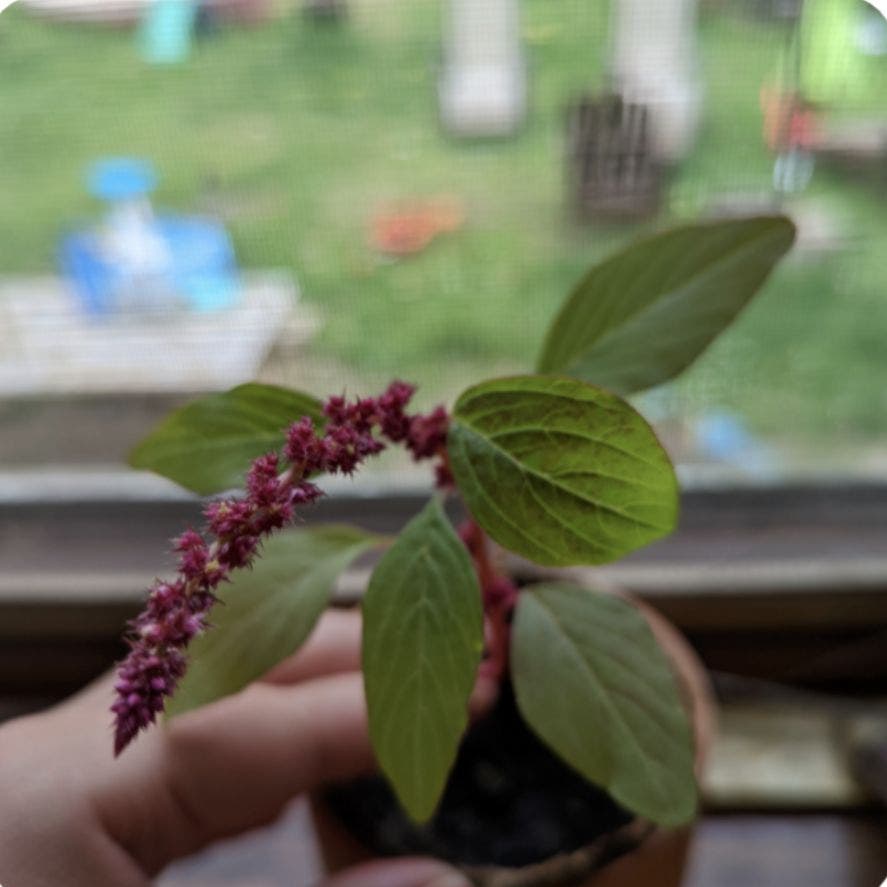
Humidity Needs for Your Prince-of-Wales Feather 🪶
Amaranthus hypochondriacus
By the Greg Editorial Team
Sep 29, 2024•5 min read
This article was created with the help of AI so we can cover more plants for you. May contain errors. See one? Report it here.
Transform your Prince-of-Wales Feather into a lush beauty by mastering its ideal humidity levels! 🌿💧
- 🌬️ Ideal humidity for Prince-of-Wales Feather is 60%-80% for optimal growth.
- 🌱 Signs of low humidity include leaf curling and browning tips—act quickly!
- 💧 Use hygrometers and humidifiers to maintain ideal humidity levels effectively.
Ideal Humidity Levels for Prince-of-Wales Feather
Optimal Humidity Range 🌧️
For your Prince-of-Wales Feather to thrive, aim for a relative humidity of 60% to 80%. This range is crucial for promoting optimal growth and ensuring your plant flourishes.
Higher humidity levels not only support lush growth but also enhance the vibrancy of the foliage. When the air is moist, the leaves appear more vibrant and healthy, creating a stunning display in your home.
Impact of Humidity Levels 🌬️
Humidity plays a significant role in the overall health of your plant. When humidity is too low, you may notice signs of stress, but with the right levels, your Prince-of-Wales Feather can truly shine.
Maintaining the ideal humidity can transform your indoor space into a lush oasis. By providing the right environment, you set the stage for a thriving plant that brings joy and beauty to your home.
As you consider these humidity needs, keep in mind the signs of inadequate humidity, which we’ll explore next.
Signs of Inadequate Humidity
🌿 Physical Symptoms
When your Prince-of-Wales Feather isn’t getting enough humidity, it will start to show distress. One of the first signs is leaf curling, where the edges of the leaves may curl inward or outward, signaling that the plant is struggling.
Another common symptom is browning tips. If you notice the tips of the leaves turning brown and crispy, it’s a clear indication of stress due to low moisture levels. Additionally, wilting can occur, leading to an overall droopiness that makes your plant look sad and unhealthy.
⏳ Long-term Effects
If low humidity persists, the long-term effects can be detrimental. Stunted growth is a significant concern; prolonged periods of inadequate humidity can hinder the plant's vitality and overall development.
Moreover, a stressed plant becomes more vulnerable to pests. Increased susceptibility to infestations can occur as the plant's defenses weaken, making it crucial to monitor humidity levels closely.
By recognizing these signs early, you can take action to restore the ideal environment for your Prince-of-Wales Feather. This proactive approach will help ensure your plant thrives and remains vibrant.
Local Humidity Considerations
Assessing Your Local Humidity Levels 🌡️
To ensure your Prince-of-Wales Feather thrives, start by measuring your indoor humidity. Hygrometers are your best friends here, providing accurate readings that help you maintain the ideal moisture levels.
Understanding your local climate is equally important. Researching seasonal weather patterns can prepare you for humidity fluctuations throughout the year.
Seasonal Variations in Humidity 🌦️
Winter can be particularly challenging for indoor plants. Indoor heating often leads to significantly lower humidity levels, which can stress your Prince-of-Wales Feather.
Conversely, summer brings higher outdoor humidity. Opening windows can allow this moisture to benefit your plants, creating a more favorable environment for growth.
By being aware of these seasonal changes, you can better adjust your care routine to keep your plant healthy and vibrant.
Strategies for Boosting Humidity
🌬️ Using Humidifiers
Humidifiers are a fantastic way to maintain the ideal humidity for your Prince-of-Wales Feather. You can choose between cool mist and warm mist humidifiers, each offering unique benefits.
Position your humidifier near the plant for maximum effect. This ensures that the moisture reaches your plant effectively, creating a comfortable environment for growth.
🌱 Grouping Plants Together
Another effective strategy is to group your plants together. This creates a microclimate, increasing humidity through the natural process of transpiration.
Arrange moisture-loving plants close to each other to enhance this effect. The collective moisture released will benefit all the plants in the vicinity.
🪴 Pebble Trays and Water Bowls
The pebble tray method is simple yet effective. Fill a shallow tray with pebbles and water, then place your pot on top to boost humidity around your plant.
Alternatively, you can use water bowls. Position bowls of water near your Prince-of-Wales Feather to allow evaporation, which will naturally raise humidity levels.
💦 Misting Techniques
Light misting is another great way to increase humidity. Aim for 1-2 times a week, but be careful not to over-saturate the leaves.
The best time to mist is early morning. This allows the leaves to dry before evening, preventing any potential issues with mold or mildew.
By implementing these strategies, you can create an ideal environment for your Prince-of-Wales Feather to thrive. Next, let’s explore how to manage humidity levels effectively in your home.
Strategies for Reducing Humidity
🌬️ Ventilation Techniques
Proper airflow is crucial for maintaining a healthy environment for your Prince-of-Wales Feather. Good ventilation helps prevent mold and mildew, which can thrive in high humidity.
To improve air circulation, consider using fans or simply opening windows. This not only lowers humidity but also refreshes the air around your plant.
📍 Choosing the Right Location
It's essential to keep your plant away from overly humid areas like bathrooms or kitchens. These spaces can cause humidity levels to fluctuate, stressing your plant.
Instead, opt for bright, airy locations that maintain stable humidity levels. A well-placed Prince-of-Wales Feather can thrive in a comfortable environment.
📊 Monitoring Humidity Levels
Regularly checking humidity levels is key to your plant's health. A hygrometer can provide accurate readings, helping you stay informed about your indoor climate.
Be ready to adjust your humidity-boosting strategies based on these readings. Staying proactive will ensure your plant remains vibrant and healthy.
With these strategies in place, you can create an ideal environment for your Prince-of-Wales Feather. Next, let’s explore effective methods for boosting humidity when needed.
⚠️ Safety First
This content is for general information and may contain errors, omissions, or outdated details. It is not medical, veterinary advice, or an endorsement of therapeutic claims.
Always consult a qualified healthcare professional before using any plant as food, medicine, or supplement.
Never eat any plant (or feed one to pets) without confirming its identity with at least two trusted sources.
If you suspect poisoning, call Poison Control (800) 222-1222, the Pet Poison Helpline (800) 213-6680, or your local emergency service immediately.
Spotted an error? Please report it here.
Keep your Prince-of-Wales Feather thriving 🌱 by using Greg for personalized humidity tips and reminders that ensure your plant enjoys its ideal environment!