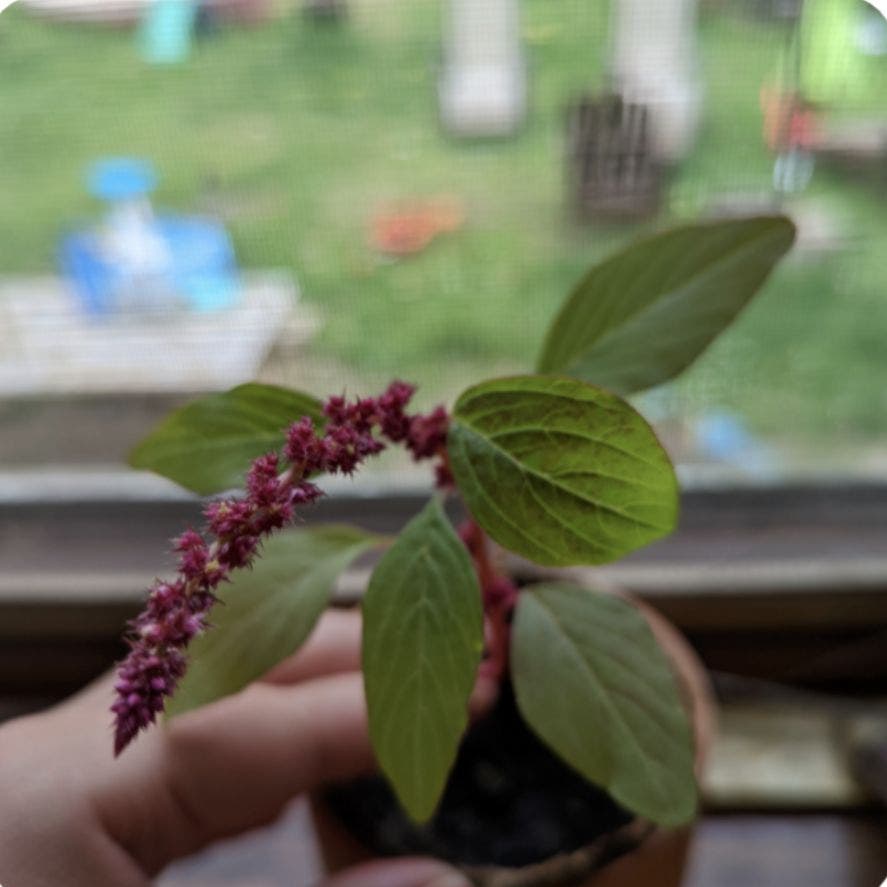
🪶 How to Cure Brown Spots on Your Prince-of-Wales Feather
Amaranthus hypochondriacus
By the Greg Editorial Team
Sep 29, 2024•6 min read
This article was created with the help of AI so we can cover more plants for you. May contain errors. See one? Report it here.
Revive your Prince-of-Wales Feather 🌱 with essential care tips to prevent pesky brown spots and ensure vibrant growth!
- 💧 Water when the top inch is dry, typically every 1-2 weeks for health.
- 🐛 Identify pests like spider mites early to prevent damage and brown spots.
- 🌱 Maintain humidity levels between 60-80% for optimal growth and spot prevention.
Diagnosing the Problem
Assessing Watering Habits 🌊
Understanding your watering habits is crucial for the health of your Prince-of-Wales Feather. Ideally, you should water it when the top inch of soil feels dry, typically every 1-2 weeks.
Overwatering can lead to yellowing leaves and mushy roots, signaling that your plant is drowning. Conversely, underwatering manifests as crispy leaf edges and drooping foliage, indicating it’s thirsty.
Evaluating Humidity Levels 💧
Humidity plays a significant role in your plant's vitality. For optimal growth, maintain humidity levels between 60-80%.
If you notice leaf curling or brown tips, your humidity might be too low. Use hygrometers or moisture meters to accurately measure humidity levels in your environment.
Checking for Pests and Diseases 🐛
Pests can wreak havoc on your Prince-of-Wales Feather. Common culprits include spider mites and mealybugs, which can be identified by webbing, sticky residue, or visible insects.
Additionally, keep an eye out for signs of disease, such as fungal growth or unusual leaf textures. Early detection is key to effective treatment.
Analyzing Soil Conditions 🌱
The right soil conditions are vital for root health. Ensure you use well-draining soil to prevent root rot and promote healthy growth.
Check soil moisture levels by sticking your finger into the soil; it should feel moist but not soggy. Aim for a pH level between 5.5 and 7.0 for optimal nutrient absorption.
With these diagnostic steps, you can pinpoint the issues affecting your plant. Next, let’s explore treatment options to restore its health.
Treatment Options
Step-by-Step Guide to Treating Brown Spots 🌱
Identify the cause: Start by assessing your watering habits, humidity levels, and check for pests. This foundational step is crucial for effective treatment.
Adjust watering habits: Establish a consistent watering schedule. Aim for deep watering to encourage healthy root growth.
Increase humidity: Use a humidifier or place pebble trays filled with water near your plant. This will help create a more favorable environment.
Treat pests: If you spot any pests, apply insecticidal soap or neem oil. These treatments are effective and safe for your plant.
Address fungal infections: Use appropriate fungicides to combat any fungal issues. Ensure you follow the instructions for the best results.
Recommended Fungicides or Treatments for Fungal Infections 🦠
Types of fungicides: Familiarize yourself with systemic and contact fungicides. Systemic options work from within, while contact fungicides target surface issues.
Application methods: Choose between spraying or soil drenching based on the severity of the infection. Spraying is great for surface issues, while soil drenching can tackle root problems.
Timing: Apply treatments during cooler parts of the day for maximum effectiveness. Early morning or late afternoon is ideal.
Adjusting Watering and Humidity Levels 💧
Watering techniques: Focus on deep watering rather than surface watering. This encourages roots to grow deeper and stronger.
Humidity-boosting methods: Group your plants together or mist them regularly. These methods can significantly enhance humidity levels around your plants.
Nutrient Supplementation for Deficiencies 🌿
Identifying nutrient needs: Look for signs of specific deficiencies, such as yellowing leaves for nitrogen or browning edges for potassium.
Recommended fertilizers: Use balanced NPK fertilizers to provide essential nutrients. A ratio of 10-10-10 is often effective.
Application frequency: Fertilize monthly during the growing season. This ensures your plant gets the nutrients it needs to thrive.
By following these treatment options, you can effectively manage and prevent brown spots on your Prince-of-Wales Feather. Next, let’s explore preventive measures to keep your plant healthy and vibrant.
Preventive Measures
🌊 Best Practices for Watering and Humidity
Maintaining a consistent watering schedule is crucial for your Prince-of-Wales Feather. Aim to water when the top inch of soil feels dry, ensuring you provide enough moisture without overdoing it.
Humidity is equally important. Regularly monitor humidity levels and adjust as needed, using a humidifier or pebble trays to create a more favorable environment.
🌱 Ideal Soil Conditions for Prince-of-Wales Feather
The right soil composition can make all the difference. A mix of peat, perlite, and orchid bark provides excellent drainage and aeration, essential for healthy root development.
Proper drainage prevents water from pooling, which can lead to root rot. Always ensure your pot has drainage holes to facilitate this.
🔍 Regular Inspection for Pests and Diseases
Frequent inspections are key to early detection of issues. Aim for weekly checks to catch any signs of pests or diseases before they escalate.
Look for discoloration, webbing, or unusual growth patterns on your plant. These can be early indicators of trouble that need immediate attention.
🍂 Seasonal Care Tips to Prevent Brown Spots
Adjust your care routine with the changing seasons. Temperature and humidity fluctuations can affect your plant's health, so be proactive in your adjustments.
As winter approaches, consider indoor care strategies. This may include relocating your plant to a brighter spot or using supplemental lighting to maintain its health during the darker months.
By following these preventive measures, you can keep your Prince-of-Wales Feather thriving and free from brown spots. Next, let’s explore common misconceptions about plant health that can lead to misunderstandings in care.
Common Misconceptions
Myths About Brown Spots and Plant Health 🌱
Many plant owners confuse overwatering with underwatering when they see brown spots on their Prince-of-Wales Feather. Overwatering often leads to yellowing leaves and mushy roots, while underwatering results in crispy leaf edges and drooping foliage.
Another common belief is that plants can thrive on neglect. While some plants are more resilient, the Prince-of-Wales Feather requires consistent care to flourish. Neglecting its needs can lead to serious health issues, including those pesky brown spots.
Clarifying the Role of Light Exposure in Leaf Health ☀️
Light quality plays a crucial role in the health of your plant. Direct sunlight can scorch leaves, while insufficient light can cause them to lose their vibrant color and vitality.
Understanding the balance between direct and indirect sunlight is essential. Too much direct light can lead to discoloration, while too little can stunt growth and lead to other issues. Keep an eye on your plant's light exposure to ensure it stays healthy and vibrant.
With these misconceptions clarified, you can better care for your Prince-of-Wales Feather and prevent brown spots from becoming a recurring issue. Next, let’s explore effective treatment options to address any existing problems.
⚠️ Safety First
This content is for general information and may contain errors, omissions, or outdated details. It is not medical, veterinary advice, or an endorsement of therapeutic claims.
Always consult a qualified healthcare professional before using any plant as food, medicine, or supplement.
Never eat any plant (or feed one to pets) without confirming its identity with at least two trusted sources.
If you suspect poisoning, call Poison Control (800) 222-1222, the Pet Poison Helpline (800) 213-6680, or your local emergency service immediately.
Spotted an error? Please report it here.
Ensure your Prince-of-Wales Feather stays vibrant and free from brown spots by monitoring watering and humidity, while Greg's personalized care reminders help you achieve thriving growth 🌿!