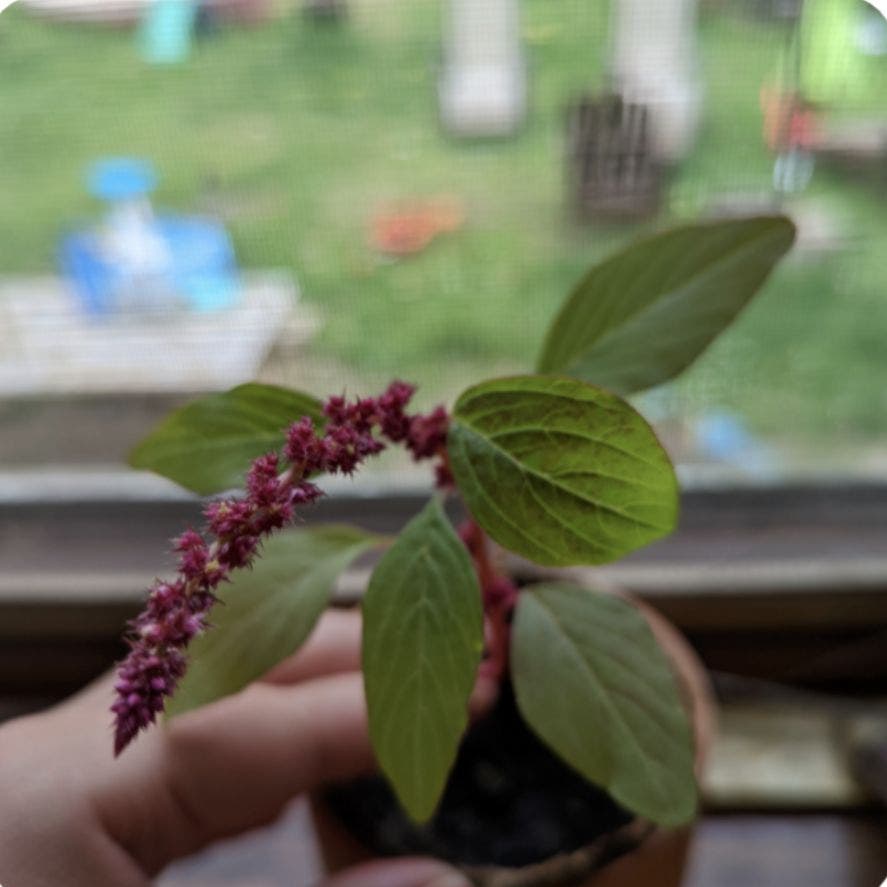
❄️ Prince-of-Wales Feather Hardiness Zones: 2a-11b
Amaranthus hypochondriacus
By the Greg Editorial Team
Sep 29, 2024•5 min read
This article was created with the help of AI so we can cover more plants for you. May contain errors. See one? Report it here.
Master the temperature secrets 🌱 for thriving Prince-of-Wales feathers and elevate your gardening game!
- 🌡️ Prince-of-Wales feather thrives in zones 2a to 11b, adapting to extreme temperatures.
- ❄️🔥 Tolerates -50°F to 100°F, but prefers 60°F to 75°F for optimal growth.
- 🌍 Microclimates enhance growth, allowing diverse gardening beyond typical hardiness zones.
Temperature Tolerance
❄️ Cold Tolerance Specifics
The Prince-of-Wales feather can endure extreme cold, with a minimum temperature tolerance down to -50°F (-45.6°C) for zone 2a. This remarkable resilience is due to adaptations like antifreeze proteins and specialized cell structures that prevent ice formation.
☀️ Heat Tolerance Specifics
On the flip side, this plant thrives in warmer climates, with a maximum temperature tolerance reaching up to 100°F (37.8°C) for zone 11b. However, prolonged exposure to such heat can stress the plant, leading to stunted growth and reduced health.
🌱 Ideal Temperature Ranges for Growth
For optimal growth, the ideal temperature range lies between 60°F to 75°F (15.6°C to 24°C). Temperatures outside this range can negatively impact overall plant health, causing issues like wilting or poor flowering.
Understanding these temperature tolerances is crucial for gardeners and horticulturists aiming to cultivate the Prince-of-Wales feather successfully. Next, we will explore the ideal growing regions that support this plant's thriving conditions.
Ideal Growing Regions
🌍 Examples of US States in Suitable Hardiness Zones
When considering the Prince-of-Wales feather's hardiness, several U.S. states stand out. Minnesota, classified in zone 2a, experiences extreme cold but offers a unique environment for these resilient plants.
Texas, on the other hand, sits in zone 11b, showcasing the plant's adaptability to warmer climates. California, with its zone 9b, provides a balanced middle ground, making it another excellent location for growth.
🌱 Factors Contributing to Ideal Growing Conditions
Several factors play a crucial role in creating ideal growing conditions. Soil type and drainage are vital; well-draining soils prevent root rot and promote healthy growth.
Sunlight exposure and moisture levels are equally important. Plants thrive in areas that receive adequate sunlight while maintaining consistent moisture without becoming waterlogged.
🌎 Comparison of Different Regions
Climate variability across regions significantly impacts plant growth. For instance, the temperature swings in Minnesota differ drastically from the consistent warmth in Texas.
Elevation and proximity to water bodies also influence local climates. Higher elevations may experience cooler temperatures, while areas near lakes or rivers can benefit from moderated temperatures, creating microclimates that enhance growth potential.
Understanding these factors helps gardeners select the best locations for their Prince-of-Wales feathers, ensuring they flourish in their unique environments.
Microclimates and Their Impact
Definition and Significance 🌍
Microclimates are localized climate variations that differ from the surrounding area. They play a crucial role in gardening and agriculture, allowing plants to thrive in conditions that might otherwise be unsuitable.
How Microclimates Can Extend Growing Zones 🌱
Urban areas often create warmer microclimates due to heat retention from buildings and pavement. Similarly, sheltered locations, such as those near walls or large trees, can provide protection from harsh winds and frost.
Impact of Structures, Trees, and Water Bodies 🌳
Structures can block cold winds, while trees offer shade and humidity. Water bodies, like ponds or lakes, moderate temperature fluctuations, creating a more stable environment for plant growth.
Examples Affecting Growth 🌼
Many gardeners successfully utilize microclimates to grow plants outside their typical hardiness zones. For instance, a garden nestled against a south-facing wall may support tender plants that wouldn’t survive in the surrounding area.
Case Studies of Successful Microclimates 🏙️
Consider a community garden in a bustling city where tall buildings create a warm pocket. This unique setting allows for the cultivation of heat-loving vegetables, demonstrating how urban landscapes can enhance plant growth.
Microclimates not only expand the range of plants you can grow but also encourage creativity in gardening. Understanding these localized climates can lead to more successful and diverse gardening experiences.
As we explore state-level suitability analysis next, keep in mind how these microclimates can influence the broader growing conditions across various regions.
State-Level Suitability Analysis
🌍 List of US States Within Hardiness Zones 2a-11b
Several states fall within the Prince-of-Wales Feather hardiness zones 2a to 11b. Notable examples include:
- Minnesota (Zone 2a): Known for its harsh winters, this state is ideal for cold-tolerant plants.
- California (Zone 9b): Offers a diverse climate, supporting a wide range of plant species.
- Texas (Zone 11b): With its warm temperatures, Texas is perfect for heat-loving varieties.
These states provide a rich tapestry of growing conditions, making them suitable for various plants.
🚫 List of US States Outside Suitable Hardiness Zones
Conversely, some states fall outside the 2a-11b range, presenting challenges for specific plant growth. For instance:
- Florida (Zone 10b-11b): While warm, it’s too hot for many cold-tolerant plants.
- Alaska (Zone 1a): Its extreme cold limits the growth of heat-sensitive species.
These states highlight the importance of understanding hardiness zones for successful gardening.
🌡️ Reasons for Suitability or Unsuitability
The suitability of states within these hardiness zones is influenced by several climate factors.
Temperature Extremes: States like Minnesota experience cold winters, allowing for the growth of frost-resistant plants. In contrast, Florida's warmth can hinder the survival of cold-tolerant varieties.
Frost Tolerance: Regions with milder winters, such as California, can support a broader range of plant life. This adaptability is crucial for gardeners aiming to cultivate diverse species.
Understanding these factors is essential for selecting the right plants for your garden, ensuring they thrive in their respective environments.
As we explore the next section, we’ll delve into the fascinating world of microclimates and how they can significantly impact plant growth.
⚠️ Safety First
This content is for general information and may contain errors, omissions, or outdated details. It is not medical, veterinary advice, or an endorsement of therapeutic claims.
Always consult a qualified healthcare professional before using any plant as food, medicine, or supplement.
Never eat any plant (or feed one to pets) without confirming its identity with at least two trusted sources.
If you suspect poisoning, call Poison Control (800) 222-1222, the Pet Poison Helpline (800) 213-6680, or your local emergency service immediately.
Spotted an error? Please report it here.
The Prince-of-Wales feather's adaptability across hardiness zones makes it a gardener's dream, and with Greg's tailored watering reminders and care tips, you can help your plant thrive no matter the climate! 🌍