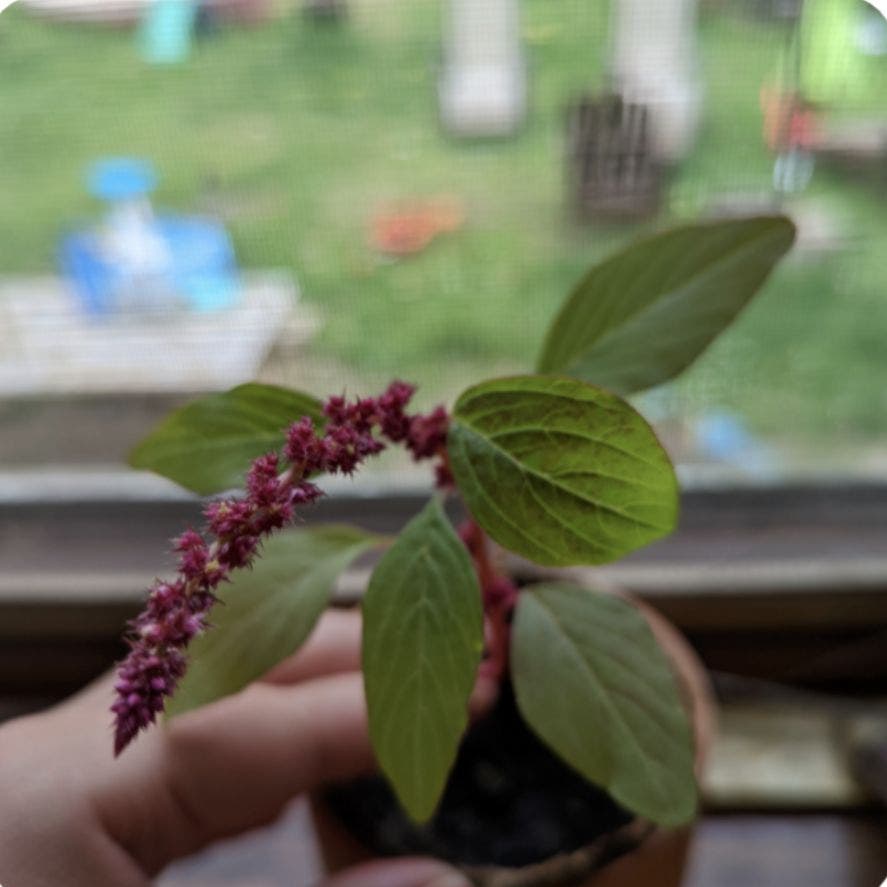
🪶 Why Your Prince-of-Wales Feather Leaves Are Falling Over
Amaranthus hypochondriacus
By the Greg Editorial Team
Sep 29, 2024•6 min read
This article was created with the help of AI so we can cover more plants for you. May contain errors. See one? Report it here.
Revive your drooping Prince-of-Wales Feather Leaves 🌿 with expert tips on watering and light adjustments!
- 💧 Overwatering and underwatering both cause leaf distress; adjust your watering routine.
- 🌞 Bright, indirect light is essential; avoid direct sunlight to prevent leaf scorching.
- 🌬️ Maintain humidity above 60% to prevent curling and browning of leaves.
Causes of Leaves Falling Over
💧 Overwatering: Signs and Solutions
Overwatering is a common issue that can lead to drooping leaves. When leaves appear limp and turn yellow, it’s a clear sign that your plant is struggling.
Root rot often accompanies overwatering, characterized by dark, mushy roots. To remedy this, adjust your watering schedule to allow the soil to dry out between waterings.
Improving soil drainage is also crucial; using a well-draining potting mix can make a significant difference.
🚰 Underwatering: Identifying Symptoms and Remedies
On the flip side, underwatering can cause dry, crispy leaves. If the edges of the leaves brown and curl, your plant is signaling distress.
Soil that pulls away from the pot edges is another indicator. To combat this, increase your watering frequency, ensuring you water thoroughly until excess drains out.
Monitoring soil moisture with a moisture meter can help you maintain the right balance.
💡 Light Conditions: Importance of Proper Lighting
Proper lighting is vital for your plant's health. Ideally, your Prince-of-Wales Feather Leaves thrive in bright, indirect light; too much direct sunlight can scorch their delicate leaves.
Inadequate light can lead to leggy growth, where stems elongate as the plant seeks more light. If you notice this, consider relocating your plant to a brighter spot or using grow lights to provide the necessary illumination.
🌫️ Humidity Levels: Effects on Leaf Health
Humidity plays a crucial role in leaf health. These plants prefer high humidity levels of 60% or more.
When humidity is low, you may observe leaf curling and browning. To increase humidity, consider using a humidifier or placing pebble trays filled with water near your plant.
🌡️ Temperature Fluctuations: How It Impacts the Plant
Temperature stability is essential for your plant's well-being. The ideal temperature range is between 18°C to 24°C (65°F to 75°F).
Drooping leaves and stunted growth are signs of temperature stress. To prevent this, maintain stable temperatures by avoiding drafts and sudden changes in your environment.
Understanding these factors can help you create a nurturing environment for your Prince-of-Wales Feather Leaves. Next, we’ll explore how to diagnose the specific issues affecting your plant.
Diagnosing the Problem
Assessing Environmental Factors 🌡️
To keep your Prince-of-Wales Feather Leaves healthy, start by checking temperature and humidity levels. A thermometer and hygrometer are your best friends here; they’ll help you ensure your plant is in its comfort zone.
Next, evaluate light exposure. Observe where your plant sits throughout the day to see if it’s getting enough light without being scorched.
Checking Soil Moisture Levels 💧
Soil moisture is crucial for plant health. Stick your finger into the soil; if it feels dry 1-2 inches down, it’s time to water.
For more precise readings, consider using a moisture meter. This tool takes the guesswork out of watering, ensuring your plant gets just what it needs.
Evaluating Light Exposure 🌞
Monitor light conditions closely. Observe the orientation of the leaves; they should be reaching towards the light source.
If they’re not, it might be time to adjust your plant’s placement. A little repositioning can make a world of difference in its growth.
Inspecting for Pests and Diseases 🔍
Regular inspections are key to maintaining plant health. Look for visible pests or signs of damage, as early detection can save your plant.
For a thorough check, use a magnifying glass. This will help you spot any tiny invaders or issues that might otherwise go unnoticed.
By diagnosing these factors, you can effectively address the issues causing your leaves to droop. Next, let’s explore preventive measures to keep your plant thriving.
Preventive Measures
Best Watering Practices 💧
Watering your Prince-of-Wales Feather Leaves correctly is crucial. Aim to water when the top inch of soil feels dry, ensuring you don’t overdo it.
Water thoroughly until you see excess draining from the bottom. This technique promotes healthy root growth and prevents waterlogging.
Ideal Light Conditions for Growth ☀️
Proper light placement can make a world of difference. Position your plant near east or west-facing windows for optimal growth.
Consider using sheer curtains to diffuse harsh sunlight, protecting your leaves from potential scorching.
Maintaining Humidity Levels 🌫️
Humidity plays a vital role in your plant's health. To increase humidity, group your plants together or utilize a humidity tray filled with water.
Regular misting can also help; lightly mist the leaves to boost moisture levels and keep them happy.
Regular Pest Inspections 🐜
Pests can sneak up on you if you're not vigilant. Schedule weekly inspections to catch any early signs of trouble.
For preventive measures, consider using neem oil to deter pests before they become a problem.
Seasonal Care Adjustments 🍂
Your plant's needs can change with the seasons. In winter, reduce watering as growth slows down, allowing the soil to dry out more between waterings.
Keep an eye on temperature and humidity fluctuations, adjusting your care routine accordingly to keep your plant thriving.
By implementing these preventive measures, you can create a nurturing environment for your Prince-of-Wales Feather Leaves. This proactive approach will help ensure they remain healthy and vibrant, ready to transition into the next phase of care.
Treatment Solutions
Step-by-Step Guide to Adjusting Care 🌱
- Identify the issue: Start by determining if your plant is suffering from overwatering, underwatering, or environmental stress.
- Adjust watering frequency: Use soil moisture readings to guide how often you water.
- Modify light exposure: Relocate your plant or adjust light sources to ensure it receives the right amount of light.
How to Support Drooping Leaves 🌿
- Use stakes or plant supports: Gently insert stakes into the soil to provide stability for drooping leaves.
- Prune damaged leaves: Remove any severely affected leaves to encourage new growth and improve overall plant health.
Recommended Products for Plant Health 🛒
- Fertilizers: Opt for a balanced liquid fertilizer during the growing season to nourish your plant.
- Soil amendments: Consider adding perlite to your potting mix for enhanced drainage, which is crucial for root health.
When to Repot or Change Soil 🪴
- Signs for repotting: Look for roots growing out of drainage holes or signs of soil depletion as indicators that it's time to repot.
- Timing: The best time to repot is in spring, during the active growth phase, to give your plant a fresh start.
By following these treatment solutions, you can effectively address the issues causing your Prince-of-Wales Feather Leaves to droop. Next, let's explore preventive measures to keep your plant thriving.
⚠️ Safety First
This content is for general information and may contain errors, omissions, or outdated details. It is not medical, veterinary advice, or an endorsement of therapeutic claims.
Always consult a qualified healthcare professional before using any plant as food, medicine, or supplement.
Never eat any plant (or feed one to pets) without confirming its identity with at least two trusted sources.
If you suspect poisoning, call Poison Control (800) 222-1222, the Pet Poison Helpline (800) 213-6680, or your local emergency service immediately.
Spotted an error? Please report it here.
Keep your Prince-of-Wales Feather Leaves thriving 🌿 by using Greg's tailored watering and humidity alerts to prevent drooping and promote lush growth!