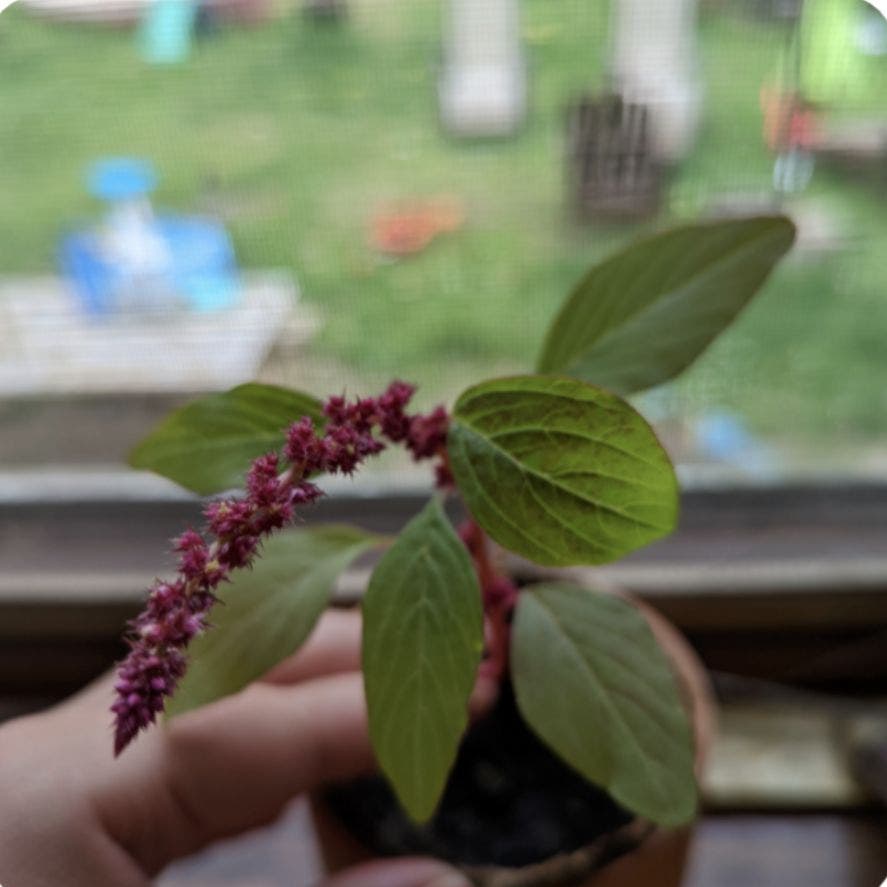
👑 Why Your Prince-of-Wales Feather Leaves Are Dropping
Amaranthus hypochondriacus
By the Greg Editorial Team
Sep 29, 2024•4 min read
This article was created with the help of AI so we can cover more plants for you. May contain errors. See one? Report it here.
Transform your Prince-of-Wales Feather 🌿 into a thriving beauty by mastering watering and pest control to prevent leaf drop!
- 🌧️ Leaf drop is often due to overwatering or underwatering; adjust your watering habits.
- 🐜 Pest infestations like spider mites can cause significant leaf drop; inspect regularly.
- 🌡️ Maintain proper humidity and temperature to promote a healthy Prince-of-Wales Feather.
Common Causes of Leaf Drop
🌪️ Environmental Stress Factors
Leaf drop in your Prince-of-Wales Feather can often be traced back to environmental stress. Two primary culprits are overwatering and underwatering, both of which can wreak havoc on your plant's health.
Overwatering is a common mistake. When the soil remains soggy, roots can rot, leading to yellowing leaves and eventual drop. Conversely, underwatering can leave your plant parched, causing leaves to droop and fall off.
Pest infestations and diseases also contribute significantly to leaf drop. Spider mites and mealybugs are notorious for attacking these plants. Look for signs like webbing or sticky residue, which indicate a pest problem that needs immediate attention.
Understanding these stress factors is crucial for maintaining a healthy plant. By addressing watering issues and keeping an eye out for pests, you can help your Prince-of-Wales Feather thrive.
Next, let’s explore the signs of stress that can help you identify when your plant is in trouble.
Signs of Stress
Identifying Symptoms 🌿
When your Prince-of-Wales Feather leaves start to show signs of stress, it’s crucial to act quickly. Yellowing leaves and wilting are often the first indicators that something is off.
Leaf Curling and Browning Edges 🍂
Another common symptom is leaf curling, accompanied by browning edges. These changes can signal environmental issues or improper care.
Sudden Leaf Drop Patterns 🍃
If you notice sudden leaf drop patterns, it’s a clear sign that your plant is struggling. This can happen for various reasons, so it’s essential to investigate further.
Understanding these symptoms can help you take proactive steps to restore your plant's health. Next, we’ll explore effective watering practices to keep your Prince-of-Wales Feather thriving.
Watering Practices
Overwatering: Symptoms and Solutions 🌊
Overwatering can be a silent killer for your Prince-of-Wales Feather leaves. Look for signs like soggy soil and root rot, which indicate that your plant is drowning.
To combat overwatering, adjust your watering frequency and improve drainage. Ensure your pot has adequate holes and consider using a well-draining soil mix.
Monitoring soil moisture is crucial. Invest in a moisture meter or simply stick your finger into the soil to check if it feels wet or dry.
Underwatering: Signs and Remedies 💧
Underwatering can be just as detrimental. Signs include dry soil and drooping leaves, which signal that your plant is thirsty.
To remedy this, establish a consistent watering schedule. Regularly check the soil to ensure it doesn’t dry out completely between waterings.
Utilize tools like moisture meters or simple soil probes to keep track of moisture levels. This proactive approach can save your plant from stress and leaf drop.
By mastering your watering practices, you can significantly enhance the health of your Prince-of-Wales Feather. Next, let’s dive into pest and disease management to further protect your plant.
Pest and Disease Management
Identifying Common Pests 🕷️
Your Prince-of-Wales Feather can fall victim to a few notorious pests. The most common culprits are spider mites and mealybugs.
Spider mites are tiny, often invisible to the naked eye, but their damage is unmistakable. Look for fine webbing on the leaves, which indicates an infestation.
Mealybugs, on the other hand, are more visible. They appear as small, white cottony masses on stems and leaves, often leaving a sticky residue behind.
Treatment Options for Infestations 🧴
If you discover pests, don’t panic; there are effective treatment options available. Organic solutions like insecticidal soap and neem oil can help eliminate these pests without harming your plant.
Insecticidal soap works by suffocating the pests, while neem oil disrupts their life cycle. Both options are safe for your plant and the environment.
Preventive measures are equally important. Regular inspections can help catch infestations early, while maintaining overall plant health strengthens your Prince-of-Wales Feather against pests.
By keeping an eye on your plant and acting promptly, you can enjoy a thriving, pest-free environment.
Next, let’s explore routine care tips to prevent leaf drop and ensure your plant remains healthy and vibrant.
Preventive Measures
Routine Care Tips to Prevent Leaf Drop 🌿
Keeping your Prince-of-Wales Feather healthy requires regular attention to its environment. Start by monitoring temperature and humidity levels; these factors significantly impact your plant's well-being.
Consistent Watering and Humidity Levels 💧
Establish a consistent watering routine to avoid stress from overwatering or underwatering. Aim for a balance that keeps the soil moist but not soggy, and consider using a humidity tray to maintain optimal moisture in the air.
Seasonal Care Adjustments 🍂
As seasons change, so should your care routine. Adjust your watering frequency and humidity levels based on the indoor climate to ensure your plant thrives year-round.
By following these preventive measures, you can create a nurturing environment that minimizes leaf drop and promotes vibrant growth. Next, let’s explore how to identify common pests that may threaten your plant's health.
⚠️ Safety First
This content is for general information and may contain errors, omissions, or outdated details. It is not medical, veterinary advice, or an endorsement of therapeutic claims.
Always consult a qualified healthcare professional before using any plant as food, medicine, or supplement.
Never eat any plant (or feed one to pets) without confirming its identity with at least two trusted sources.
If you suspect poisoning, call Poison Control (800) 222-1222, the Pet Poison Helpline (800) 213-6680, or your local emergency service immediately.
Spotted an error? Please report it here.
Keep your Prince-of-Wales Feather thriving 🌱 by using Greg's personalized reminders and moisture monitoring to master your watering and pest management for a lush, healthy plant!