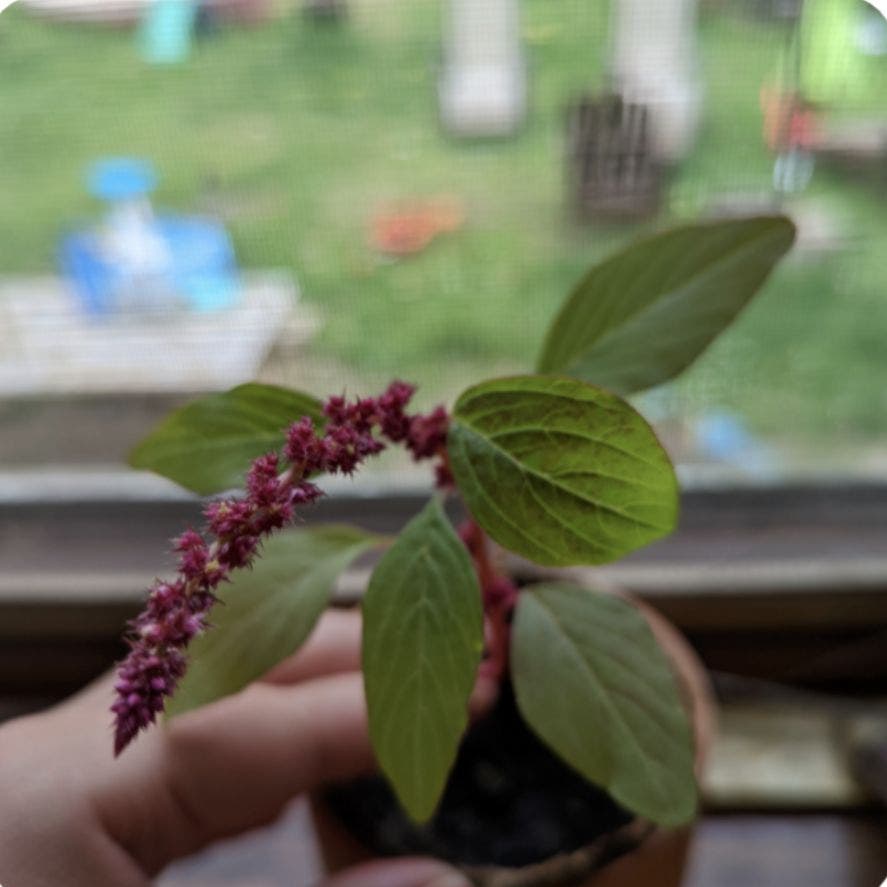
3 Secrets to Thriving Outdoor Prince-of-Wales Feather 🪶
Amaranthus hypochondriacus
By the Greg Editorial Team
Sep 29, 2024•7 min read
This article was created with the help of AI so we can cover more plants for you. May contain errors. See one? Report it here.
Transform your Prince-of-Wales Feather 🌱 into a garden showstopper with essential sunlight and watering tips!
- ☀️ Prince-of-Wales Feather needs 6-8 hours of sunlight daily for optimal growth.
- 💧 Moderate watering is key; keep soil moist but avoid waterlogging to prevent root rot.
- 🌱 Fertilize every 4-6 weeks with balanced nutrients to promote healthy growth.
Sunlight Needs
Ideal Sunlight Exposure 🌞
To thrive, the Prince-of-Wales Feather requires full sun, which means it needs at least 6-8 hours of direct sunlight daily. This ample sunlight is crucial as it promotes healthy growth and vibrant foliage, making your plant a stunning addition to any garden.
Effects of Insufficient Sunlight 🌑
When your plant doesn’t get enough sunlight, you might notice stunted growth, a leggy appearance, and reduced flowering. If this happens, consider relocating your plant to a sunnier spot or trimming surrounding plants to improve light access.
Understanding these sunlight needs is essential for ensuring your Prince-of-Wales Feather flourishes. With the right conditions, you'll enjoy a lush, vibrant plant that enhances your outdoor space.
Watering Requirements
General Watering Guidelines 🌧️
Moderate watering is key for your Prince-of-Wales Feather. Keep the soil consistently moist but avoid waterlogging, as this can lead to root issues.
Once established, the plant can tolerate drier conditions. This resilience makes it easier to care for, especially during warmer months.
Watering Techniques 💧
- Check soil moisture: Use your finger to gauge how moist the soil is. If it feels dry an inch down, it’s time to water.
- Watering frequency: Adjust your watering based on the weather. Hot, dry spells will require more frequent watering.
- Best time to water: Early morning is ideal. This timing reduces evaporation and helps prevent fungal diseases.
Signs of Overwatering or Underwatering 🚨
Be on the lookout for signs of overwatering, such as yellowing leaves and root rot. These symptoms indicate that your plant is struggling with excess moisture.
On the flip side, underwatering can lead to wilting and crispy leaf edges. Regular checks will help you maintain the right balance for your plant's health.
With these watering strategies, your Prince-of-Wales Feather will thrive beautifully. Next, let’s explore the ideal soil preferences to further enhance its growth.
Soil Preferences
Ideal Soil Composition 🌱
For your Prince-of-Wales Feather to thrive, well-drained soil is a must. This prevents root rot, which can be detrimental to your plant's health.
The best soil types include sandy loam or a mix of potting soil and perlite. These combinations ensure that water drains effectively while retaining enough moisture for your plant's needs.
Soil pH and Nutrients 🧪
Maintaining the right soil pH is crucial. Aim for a slightly acidic to neutral range of 6.0 to 7.0 for optimal growth.
Additionally, your soil should be fertile and enriched with organic matter. This nutrient-rich environment supports robust growth and vibrant foliage, making your outdoor space truly come alive.
With the right soil preferences in place, your Prince-of-Wales Feather will be set for success. Next, let’s explore the essential fertilization techniques to keep your plant nourished and thriving.
Fertilization Techniques
Fertilization Schedule 🌱
To keep your Prince-of-Wales Feather thriving, fertilize every 4-6 weeks during the growing season. A balanced NPK fertilizer, like 10-10-10, or slow-release organic options work wonders for promoting healthy growth.
Application Methods 💧
When it comes to applying fertilizer, you have a couple of effective methods:
- Granular fertilizer: Simply sprinkle it around the base of the plant and water it in well.
- Liquid fertilizer: Dilute it according to instructions and apply during your regular watering routine.
By following these fertilization techniques, you’ll ensure your plant receives the nutrients it needs to flourish.
Ready to dive deeper into the next essential aspect of caring for your outdoor Prince-of-Wales Feather? Let's explore the best planting options!
Planting Options
Container Planting: Benefits and Drawbacks 🌱
Benefits
Container planting offers remarkable mobility. You can easily move your plants to capture optimal sunlight or provide protection from harsh weather.
Additionally, it allows for a controlled environment. You have better oversight of soil quality and drainage, which is crucial for the health of your Prince-of-Wales Feather.
Drawbacks
However, container planting comes with its challenges. The limited root space means you may need to water and fertilize more frequently to keep your plant thriving.
Moreover, containers can be temperature sensitive. They may heat up quickly in the sun or cool down rapidly at night, affecting your plant's growth.
In-Ground Planting: Benefits and Drawbacks 🌍
Benefits
In-ground planting provides a more natural growth environment. Your plant has ample space for roots to expand, promoting healthier development.
It also requires less frequent watering. The soil retains moisture better, reducing your maintenance efforts during hot spells.
Drawbacks
On the flip side, in-ground planting offers less control over soil conditions. You might need to amend the soil to ensure it meets the needs of your plant.
Additionally, your plant may be more vulnerable to pests and diseases. Ground planting exposes it to a wider range of potential threats, requiring vigilant monitoring and care.
Understanding these planting options will help you make informed decisions for your Prince-of-Wales Feather. Next, let’s explore effective protection strategies to keep your plant thriving in various conditions.
Protection Strategies
🌧️ Weather Protection Techniques
Protecting your Prince-of-Wales Feather from harsh weather is essential for its health. In colder climates, use frost cloths or mulch to shield the plant from frost damage.
During the scorching summer months, shade cloth can be a lifesaver. It helps maintain a cooler environment, preventing stress from extreme heat.
🐞 Managing Outdoor Pests
Outdoor pests can be a nuisance for your plants. Common culprits include aphids and mealybugs, which can sap your plant's vitality.
To combat these pests, consider using neem oil or insecticidal soap. Introducing beneficial insects, like ladybugs, can also help keep pest populations in check.
🦠 Common Diseases and Solutions
Root rot is a significant concern, often caused by overwatering. To prevent this, ensure your plant has proper drainage to keep roots healthy.
Fungal infections can also plague your Prince-of-Wales Feather. Regularly applying fungicides and ensuring good air circulation can help mitigate these issues.
With these protection strategies in place, your plant will be better equipped to thrive in various conditions. Next, let’s explore the seasonal care needed to keep your Prince-of-Wales Feather flourishing throughout the year.
Seasonal Care
Spring Care Tips 🌸
Spring is the perfect time to rejuvenate your Prince-of-Wales Feather. Start by pruning away any dead or damaged foliage; this encourages fresh growth and keeps your plant looking vibrant.
As new growth appears, begin fertilizing to provide essential nutrients. This will set the stage for a flourishing season ahead.
Summer Care Tips ☀️
During the summer months, your plant will need extra attention. Increase watering frequency, especially during hot spells, to keep the soil consistently moist.
Regularly check for signs of pests. Early detection can save your plant from significant damage.
Fall Care Tips 🍂
As temperatures begin to drop, it's time to prepare your plant for winter. Reduce watering to prevent root rot, as the plant's growth slows down.
Applying mulch around the base will help protect the roots from frost. This simple step can make a big difference in winter survival.
Winter Care Tips ❄️
In colder months, consider bringing container plants indoors if frost is expected. This will shield them from harsh conditions.
Water sparingly; only give your plant a drink if the soil is completely dry. This helps prevent overwatering during dormancy.
With these seasonal care tips, your Prince-of-Wales Feather will thrive year-round, ready to face whatever nature throws its way. Next, let’s explore how climate zones impact your plant care strategies.
Climate Zone Considerations
🌍 Identifying Your Climate Zone
Understanding your USDA hardiness zone is essential for the care of your Prince-of-Wales Feather. This knowledge helps you tailor your gardening practices to the specific climate conditions in your area.
You can easily identify your zone using online tools or by visiting local gardening centers. These resources provide valuable insights into the temperature ranges and plant suitability for your region.
❄️ Special Considerations for Different Zones
In cold climates, extra frost protection is vital. Consider using frost cloths or bringing container plants indoors during harsh weather.
For hot climates, be mindful of increased watering needs. Providing shade during peak sun hours can help your plants thrive and prevent stress.
By adapting your care strategies to your climate zone, you can ensure your Prince-of-Wales Feather flourishes year-round. Next, let’s explore seasonal care tips to keep your plant healthy through every season.
⚠️ Safety First
This content is for general information and may contain errors, omissions, or outdated details. It is not medical, veterinary advice, or an endorsement of therapeutic claims.
Always consult a qualified healthcare professional before using any plant as food, medicine, or supplement.
Never eat any plant (or feed one to pets) without confirming its identity with at least two trusted sources.
If you suspect poisoning, call Poison Control (800) 222-1222, the Pet Poison Helpline (800) 213-6680, or your local emergency service immediately.
Spotted an error? Please report it here.
Ensure your Prince-of-Wales Feather thrives beautifully 🌿 by using Greg's tailored watering reminders and expert care tips to keep it flourishing all year round!