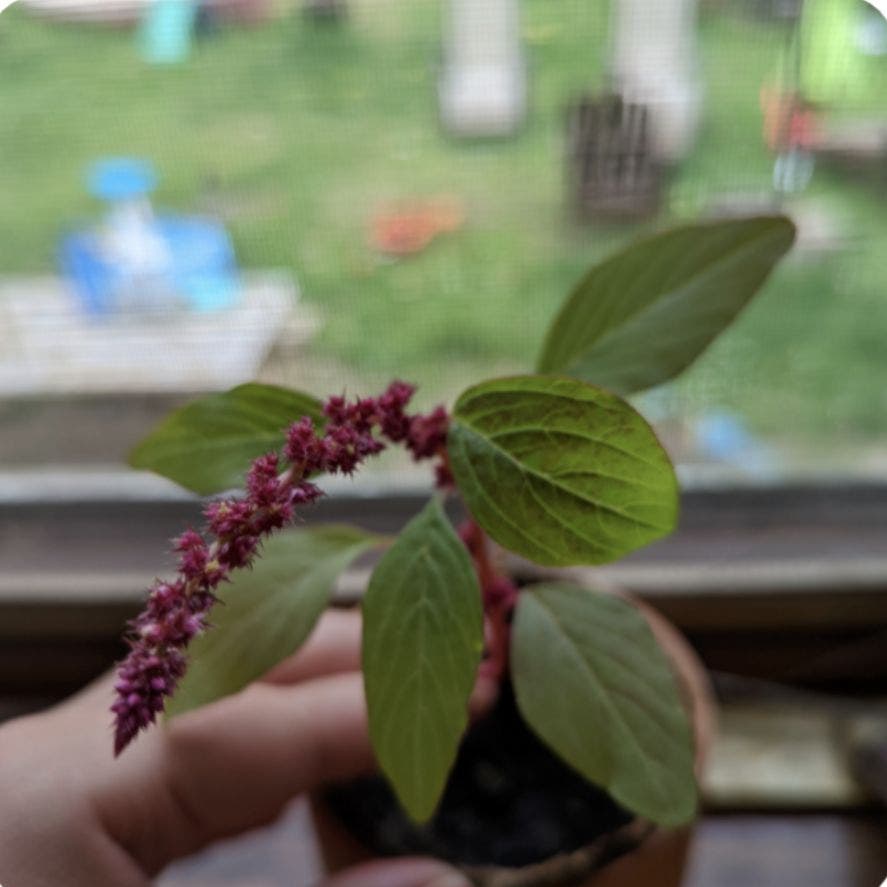
🦚 Why Your Prince-of-Wales Feather Leaves Are Turning Yellow
Amaranthus hypochondriacus
By the Greg Editorial Team
Sep 29, 2024•4 min read
This article was created with the help of AI so we can cover more plants for you. May contain errors. See one? Report it here.
Transform your yellowing plants 🌿 into thriving beauties with essential tips for diagnosis and care! 🌱
- 💧 Overwatering causes yellow leaves; ensure soil dries before watering again.
- 🌞 Insufficient light leads to yellowing; provide bright, indirect sunlight for health.
- 🐛 Pests like spider mites cause yellowing; inspect regularly and treat with neem oil.
Causes of Yellowing Leaves
🌊 Overwatering and Root Rot
Yellowing leaves often signal overwatering, which can lead to wilting and mushy roots. Ensuring well-draining soil is crucial to prevent water accumulation and protect your plant's health.
🥦 Nutrient Deficiencies
Nitrogen Deficiency
When nitrogen is lacking, older leaves will turn yellow while new growth remains vibrant. This imbalance can hinder your plant's overall vitality.
Iron Deficiency
Iron deficiency manifests as yellowing between leaf veins, leaving the veins themselves green. This condition can stunt growth and affect the plant's appearance.
💡 Inadequate Light Conditions
Insufficient light can cause yellowing leaves and leggy growth. Your Prince-of-Wales Feather thrives in bright, indirect sunlight; too little light can stress the plant.
🐜 Pest Infestations
Spider Mites
Spider mites create fine webbing and cause stippled yellow leaves. Increasing humidity and using miticides or insecticidal soap can help control these pests.
Aphids
Aphids leave behind a sticky residue and cause curled leaves. Treating them with neem oil or insecticidal soap can effectively manage their population.
🌡️ Environmental Stress
Temperature
Your plant prefers a cozy temperature range of 18°C to 24°C (65°F to 75°F). Extreme temperatures can lead to yellowing leaves as a sign of stress.
Humidity
Humidity plays a vital role in your plant's health. Low humidity levels can cause yellowing, so maintaining a humid environment is essential for thriving growth.
Understanding these causes is the first step in addressing yellowing leaves. Next, we’ll explore how to diagnose the issue effectively.
Diagnosing Yellow Leaves
Identifying Symptoms 🌼
Yellowing leaves are often the first sign that something's off with your Prince-of-Wales Feather plant. Look for additional symptoms like wilting or dropping foliage, which can indicate various underlying issues.
Assessing Soil Moisture 💧
To check for overwatering, stick your finger into the soil about an inch deep. If it feels wet, you might be giving your plant too much love in the watering department.
Checking for Pests 🐜
Pests can be sneaky, so inspect your plant closely. Look under leaves and at stem joints for any signs of unwelcome guests like spider mites or aphids.
Evaluating Light Exposure ☀️
Light conditions play a crucial role in your plant's health. Ensure your Prince-of-Wales Feather is receiving adequate bright, indirect sunlight; otherwise, it may start showing signs of stress.
By diagnosing these symptoms early, you can take steps to restore your plant's vibrancy and health. Next, let’s explore effective solutions for those yellow leaves.
Solutions for Yellow Leaves
🌊 Adjusting Watering Practices
To combat yellowing leaves, start by adjusting your watering routine. Allow the top inch of soil to dry out before watering again, ensuring your plant doesn’t sit in soggy soil.
🌱 Fertilizing for Nutrient Deficiencies
Nutrient deficiencies can lead to yellow leaves, so consider fertilizing your plant. A balanced NPK fertilizer promotes overall health, while specific formulations can address nitrogen or iron deficiencies directly.
☀️ Improving Light Conditions
Light conditions play a crucial role in plant health. If your Prince-of-Wales Feather Leaves are yellowing, try moving them to a spot with bright, indirect sunlight to boost their vitality.
🐛 Treating Pest Infestations
Pests can wreak havoc on your plants. Follow these steps to treat spider mites and aphids effectively:
- Identify the pest.
- Apply an appropriate treatment, such as neem oil.
- Monitor for re-infestation to ensure long-term health.
🌬️ Mitigating Environmental Stress
Environmental factors like temperature and humidity can stress your plant. Use a humidifier or a pebble tray filled with water to increase humidity, creating a more favorable environment for your plant.
By implementing these solutions, you can help restore your Prince-of-Wales Feather Leaves to their vibrant green glory. Next, let’s explore preventative measures to keep your plant healthy and thriving.
Preventative Measures
Regular Monitoring of Plant Health 🌱
Routine checks are essential for keeping your Prince-of-Wales Feather Leaves healthy. Look for signs of yellowing or stress, as early detection can prevent bigger issues.
Proper Watering Techniques 💧
Watering correctly is crucial. Always water thoroughly but ensure the plant has proper drainage; never let it sit in water, as this can lead to root rot.
Soil Selection and Drainage 🪴
Choosing the right soil can make all the difference. Opt for a well-draining potting mix, ideally one that includes perlite or sand to enhance drainage.
Seasonal Adjustments in Care 🌦️
Your plant's needs change with the seasons. Be prepared to adjust your care routine—water more frequently in summer and reduce it in winter to match the plant's natural cycles.
Choosing the Right Location 📍
Placement is key for optimal growth. Position your plant in bright, humid areas, but keep it away from direct sunlight and drafts to create a comfortable environment.
By implementing these preventative measures, you can help ensure your Prince-of-Wales Feather Leaves remain vibrant and healthy. Next, let’s explore how to diagnose yellow leaves effectively.
⚠️ Safety First
This content is for general information and may contain errors, omissions, or outdated details. It is not medical, veterinary advice, or an endorsement of therapeutic claims.
Always consult a qualified healthcare professional before using any plant as food, medicine, or supplement.
Never eat any plant (or feed one to pets) without confirming its identity with at least two trusted sources.
If you suspect poisoning, call Poison Control (800) 222-1222, the Pet Poison Helpline (800) 213-6680, or your local emergency service immediately.
Spotted an error? Please report it here.
Keep your Prince-of-Wales Feather vibrant and healthy 🌿 by using Greg's tailored watering reminders and care tips to tackle yellowing leaves before they become a problem!