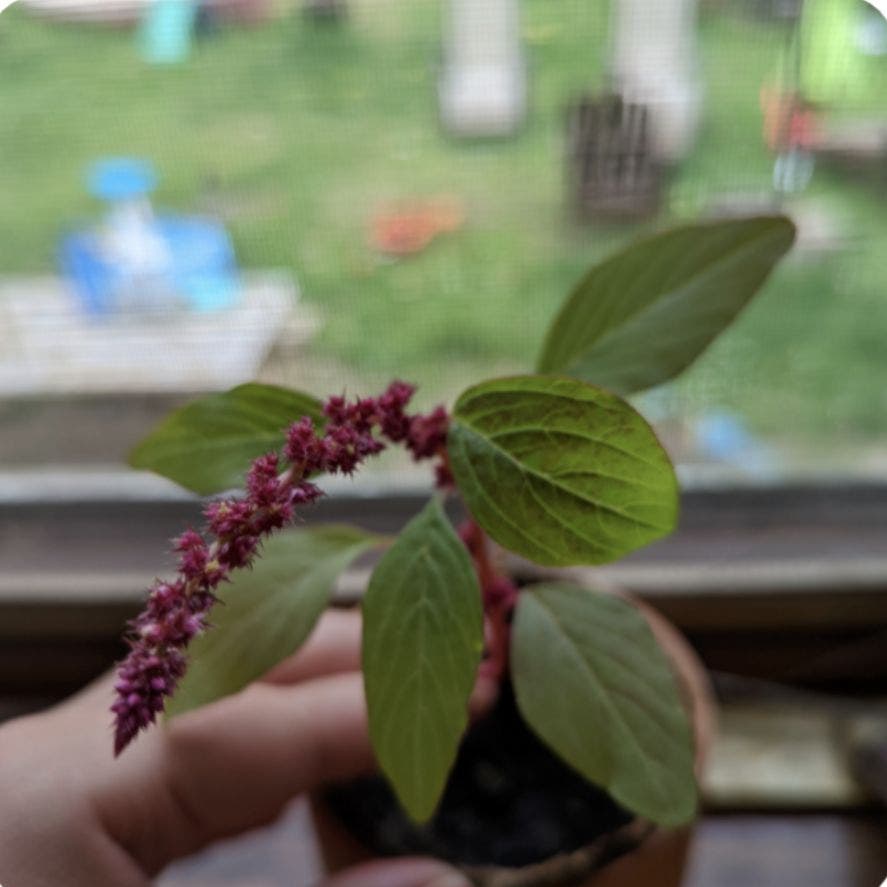
🪶 Step-by-Step Guide to Potting Prince-of-Wales Feather
Amaranthus hypochondriacus
By the Greg Editorial Team
Sep 29, 2024•5 min read
This article was created with the help of AI so we can cover more plants for you. May contain errors. See one? Report it here.
Maximize your Prince-of-Wales Feather's growth 🌱 with the perfect pot size and material for every stage!
- 🌱 Choose the right pot size for each growth stage to ensure optimal health.
- 🏺 Clay pots promote air circulation, while plastic pots retain moisture—choose wisely!
- 🔄 Repot when roots outgrow drainage holes to maintain vibrant growth and prevent rot.
Pot Size for Growth Stages
Recommended Container Sizes 🌱
Choosing the right pot size is crucial for the healthy growth of your Prince-of-Wales Feather. Here’s a quick guide to the recommended container sizes for each growth stage:
Seedling Stage: Use a pot that is 4-6 inches in diameter. This size provides enough space for young roots to establish without overwhelming them.
Juvenile Stage: Transition to an 8-10 inch pot as your plant matures. This allows for more root expansion and nutrient absorption.
Mature Stage: For fully grown plants, opt for a pot that is 12-14 inches in diameter. This size supports robust growth and stability.
General Guideline: As a rule of thumb, increase the pot size by 2 inches in diameter each time you repot. This gradual increase helps maintain a balanced environment for your plant.
Selecting the right pot size not only promotes healthy root development but also enhances overall plant vitality. With the right container, your Prince-of-Wales Feather can thrive beautifully.
Next, let’s explore the different pot materials and how they can impact your plant's growth.
Pot Materials
🌱 Clay vs. Plastic
When choosing pots for your Prince-of-Wales Feather, the material matters. Clay and plastic pots each come with their own set of benefits and drawbacks.
Benefits and Drawbacks of Clay Pots
Clay pots are porous, allowing for better air circulation and moisture regulation. This can lead to healthier roots and overall plant growth.
However, they can be heavy and prone to cracking in extreme temperatures. Additionally, clay pots may dry out faster, requiring more frequent watering.
Benefits and Drawbacks of Plastic Pots
Plastic pots are lightweight and often more affordable. They retain moisture well, which can be beneficial for plants that prefer consistent hydration.
On the downside, plastic pots can lead to root rot if drainage isn’t adequate. They also lack the aesthetic appeal of clay, which some gardeners prefer.
Choosing the right pot material can significantly impact your plant's health. Consider your environment and the specific needs of your Prince-of-Wales Feather to make the best choice.
Next, let’s explore how pot choice affects plant health and growth.
Impact of Pot Choice on Plant Health
🌱 Pot Size and Root Development
Choosing the right pot size is crucial for the Prince-of-Wales Feather's root development. A pot that's too small can restrict roots, leading to stunted growth and a less vibrant plant.
📈 Overall Growth Considerations
Conversely, a pot that's too large can retain excess moisture, which may cause root rot. Striking the right balance ensures your plant thrives.
🏺 Material Matters
The material of your pot plays a significant role in moisture regulation. Clay pots are porous, allowing for better air circulation but can dry out quickly.
🥤 Plastic Pots: Pros and Cons
Plastic pots retain moisture longer, which can be beneficial in drier environments. However, they may not provide the same level of aeration as clay.
⚠️ Consequences of Poor Pot Choice
Using the wrong pot can lead to serious issues. Stunted growth and root rot are common problems that arise from inadequate drainage or improper sizing.
💭 Final Thoughts on Pot Selection
Selecting the right pot is more than just aesthetics; it's about creating a healthy environment for your plant. Make informed choices to ensure your Prince-of-Wales Feather flourishes.
Transitioning to the next topic, let's explore the essential drainage considerations that will further enhance your plant's health.
Drainage Considerations
Importance of Drainage Holes 🌊
Drainage holes are crucial for preventing water accumulation in your pot. Without them, excess water can lead to root rot, a common issue that can devastate your Prince-of-Wales Feather.
Aim for a minimum of 3-5 drainage holes in your pot. This ensures that water can escape, keeping the roots healthy and thriving.
Solutions for Poor Drainage 🛠️
If you find yourself dealing with poor drainage, there are several effective solutions. Start by using potting soil specifically designed to promote drainage.
Consider adding perlite or sand to your soil mix. These materials enhance soil aeration, allowing roots to breathe and preventing soggy conditions.
Another option is to choose pots with built-in drainage features. These pots often come with elevated bases or additional holes, making them a smart choice for maintaining optimal moisture levels.
By addressing drainage issues proactively, you set your Prince-of-Wales Feather up for success. Healthy roots lead to vibrant growth, so don’t overlook this essential aspect of potting!
Next, let’s explore the signs that indicate it’s time to repot your plant.
Repotting Guidelines
Repotting your Prince-of-Wales Feather is essential for its health and growth. Knowing when and how to repot can make all the difference.
🌱 Signs It's Time to Repot
Recognizing the right moment to repot is crucial. Here are the key indicators:
- Roots Growing Out of Drainage Holes: If you see roots peeking out, it’s a clear sign that your plant needs more space.
- Soil Drying Out Too Quickly: If the soil dries up faster than usual, the plant might be root-bound.
- Stunted Growth or Yellowing Leaves: These symptoms often indicate that your plant is struggling for nutrients and space.
🔧 Step-by-Step Repotting Process
Once you’ve identified the need to repot, follow these steps for a smooth transition:
- Choose a New Pot: Select a pot that is 2 inches larger in diameter than the current one.
- Prepare Fresh Potting Soil: Use a soil mix that suits the Prince-of-Wales Feather's needs.
- Gently Remove the Plant: Carefully take the plant out of its current pot to avoid damaging the roots.
- Loosen Bound Roots: If the roots are tightly packed, gently loosen them before placing the plant in the new pot.
- Fill with Fresh Soil: Add fresh soil around the plant, ensuring it sits at the same depth as before.
- Water Thoroughly: Give the plant a good drink to help settle the soil and eliminate air pockets.
By following these guidelines, you’ll ensure your Prince-of-Wales Feather thrives in its new home. Next, let’s explore the importance of drainage in potting.
⚠️ Safety First
This content is for general information and may contain errors, omissions, or outdated details. It is not medical, veterinary advice, or an endorsement of therapeutic claims.
Always consult a qualified healthcare professional before using any plant as food, medicine, or supplement.
Never eat any plant (or feed one to pets) without confirming its identity with at least two trusted sources.
If you suspect poisoning, call Poison Control (800) 222-1222, the Pet Poison Helpline (800) 213-6680, or your local emergency service immediately.
Spotted an error? Please report it here.
Create a thriving Prince-of-Wales Feather 🌿 by choosing the right pot size and material, and let Greg guide you with tailored reminders and expert potting tips for vibrant growth!