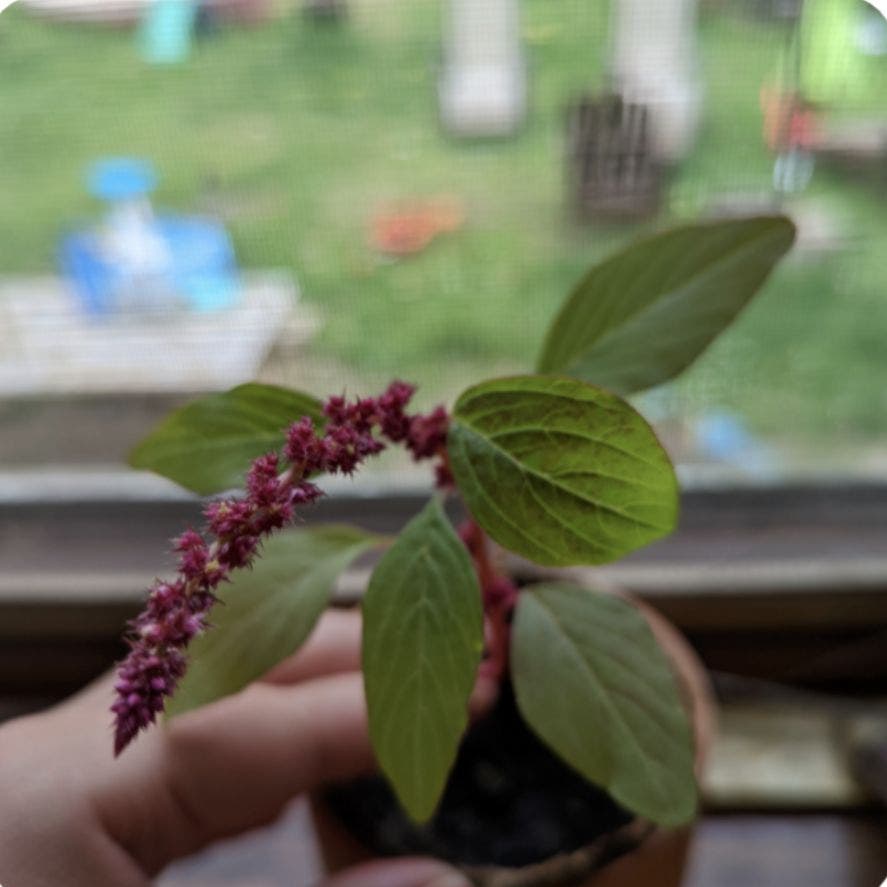
🪶 When and Where to Prune Your Prince-of-Wales Feather
Amaranthus hypochondriacus
By the Greg Editorial Team
Sep 29, 2024•5 min read
This article was created with the help of AI so we can cover more plants for you. May contain errors. See one? Report it here.
Transform your Prince-of-Wales Feather 🌿 into a thriving beauty with these essential pruning tips for vibrant growth!
- ✂️ Prune in late winter to early spring for optimal growth and health.
- 🧤 Always wear gloves and disinfect tools to protect plants and yourself.
- 🌼 Regular deadheading boosts vitality by redirecting energy from seed production.
Recommended Tools for Effective Pruning
When it comes to pruning your Prince-of-Wales Feather, having the right tools is essential for achieving clean cuts and promoting healthy growth.
✂️ Pruning Shears
Pruning shears are perfect for smaller branches, allowing for precise cuts that minimize damage. They are easy to use and ideal for beginners.
🌳 Loppers
For thicker branches, loppers are your go-to tool. They can handle branches up to 2 inches in diameter, making them a moderate challenge but essential for effective pruning.
🪚 Hand Saw
When faced with larger, woody stems, a hand saw becomes necessary. This tool requires more skill, but it’s crucial for tackling those tougher cuts.
🧤 Gloves
Don’t forget to wear gloves! They protect your hands from sharp leaves and thorns, ensuring a safer pruning experience.
🧼 Disinfectant
Finally, keep a disinfectant handy. Cleaning your tools before and after use prevents the spread of diseases, keeping your plants healthy.
With the right tools in hand, you're well-equipped to tackle your pruning tasks. Next, let’s explore when the best times are to prune your Prince-of-Wales Feather for optimal results.
When to Prune
🌱 Seasonal Timing for Pruning
The ideal time to prune your Prince-of-Wales Feather is late winter to early spring. This timing allows you to make cuts before new growth begins, ensuring the plant can thrive.
Alternatively, consider pruning after flowering in late summer. This method is great for shaping the plant while it’s still actively growing.
🔍 Signs That Indicate It's Time to Prune
Keep an eye out for dead or damaged leaves and stems. These are clear indicators that your plant needs attention.
Additionally, if you notice overcrowded growth affecting air circulation, it’s time to prune. This helps maintain a healthy environment for your plant.
Lastly, look for flower spikes that have faded or wilted. Removing these will encourage new growth and keep your plant looking vibrant.
Pruning at the right time not only enhances the plant's appearance but also promotes its overall health. Now that you know when to prune, let’s explore where to make those cuts effectively.
Where to Prune on the Plant
🌿 Identifying the Right Branches to Prune
When pruning your Prince-of-Wales feather, start by removing any dead or damaged stems. This not only improves the plant's appearance but also prevents disease.
Next, look for overcrowded areas where growth is competing for light. Thinning these sections allows better air circulation and light penetration, promoting healthier growth.
Also, check for stems that are crossing or rubbing against each other. These can create wounds that invite pests and diseases, so it's best to trim them away.
✂️ Techniques for Cutting and Shaping
For effective pruning, cut just above a leaf node or lateral branch. This encourages new growth and keeps the plant thriving.
Using a 45-degree angle cut is ideal for promoting healing and reducing water accumulation on the cut surface. This technique helps the plant recover faster and minimizes the risk of rot.
While pruning, aim to maintain the natural shape of the plant. Removing excess growth should enhance its beauty without altering its overall form.
By following these guidelines, you'll ensure your Prince-of-Wales feather remains vibrant and healthy. Next, let’s explore the importance of deadheading for your plant's vitality.
Deadheading
Importance of Deadheading for Plant Vitality 🌼
Deadheading is essential for keeping your Prince-of-Wales Feather vibrant. By removing spent blooms, you prevent seed formation, which encourages prolonged blooming.
Redirecting energy from seed production to new growth and flowering helps your plant thrive. This simple act can significantly enhance the overall health and appearance of your garden.
Step-by-Step Instructions for Deadheading ✂️
- Identify spent blooms: Look for wilted or brown flower spikes. This is your cue to act.
- Use pruning shears: Cut the flower spike back to the base. A clean cut promotes better healing.
- Dispose of cuttings: Proper disposal prevents disease spread. Keep your garden healthy!
Signs of Spent Blooms 👀
Watch for flowers that appear wilted or discolored. If you notice petals falling off or browning at the tips, it’s time to deadhead.
By staying vigilant, you can ensure your plant remains in peak condition. This proactive approach not only enhances aesthetics but also boosts vitality.
Incorporating deadheading into your regular maintenance routine will yield impressive results. Now, let’s explore common pruning mistakes to avoid for a flourishing garden.
Common Pruning Mistakes
Mistakes to Avoid When Pruning 🌿
Pruning can be a delicate art, and there are common pitfalls to watch out for.
Over-pruning is a frequent mistake; removing too much foliage can stress your Prince-of-Wales Feather, leading to poor growth.
Pruning at the wrong time can also be detrimental. If you cut too early or too late, you might reduce flowering or shock the plant.
Using dull tools is another error. Jagged cuts can harm the plant and invite disease, so always ensure your tools are sharp.
How to Correct Pruning Errors ✂️
If you've over-pruned, the best course of action is to let the plant recover without further cutting.
For timing errors, keep a close eye on your plant’s health and adjust your future pruning schedule accordingly.
If you’ve made jagged cuts, you can make clean cuts afterward to promote healing. This will help your plant bounce back more effectively.
By avoiding these mistakes and correcting any errors, you can ensure your Prince-of-Wales Feather thrives beautifully.
Next, let’s explore the importance of deadheading and how it can enhance your plant's vitality.
⚠️ Safety First
This content is for general information and may contain errors, omissions, or outdated details. It is not medical, veterinary advice, or an endorsement of therapeutic claims.
Always consult a qualified healthcare professional before using any plant as food, medicine, or supplement.
Never eat any plant (or feed one to pets) without confirming its identity with at least two trusted sources.
If you suspect poisoning, call Poison Control (800) 222-1222, the Pet Poison Helpline (800) 213-6680, or your local emergency service immediately.
Spotted an error? Please report it here.
Prune your Prince-of-Wales Feather like a pro ✂️ with Greg's tailored reminders and expert tips, ensuring your plant stays healthy and vibrant all year long!