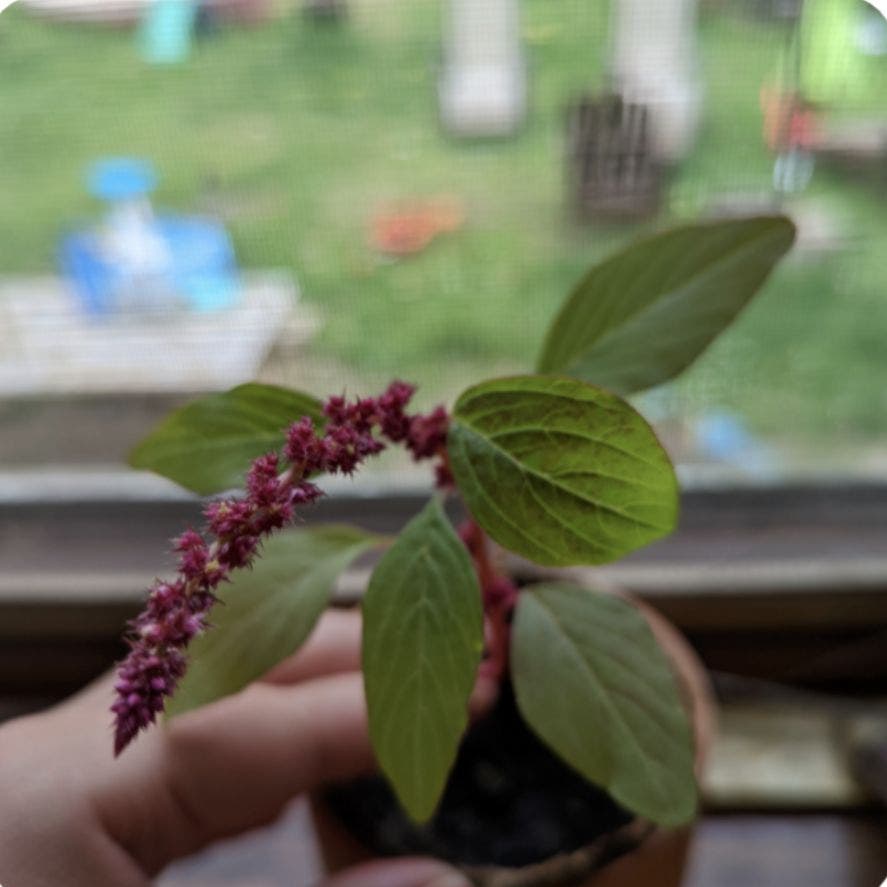
8 Secrets to Successfully Grow Prince-of-Wales Feather 🪶
Amaranthus hypochondriacus
By the Greg Editorial Team
Sep 29, 2024•7 min read
This article was created with the help of AI so we can cover more plants for you. May contain errors. See one? Report it here.
Cultivate a thriving Prince-of-Wales Feather 🌿 with essential care tips for vibrant growth and stunning beauty!
- 🌞 Bright, indirect light is essential for healthy Prince-of-Wales Feather growth.
- 🌱 Well-draining, organic-rich soil with pH 6.0-7.0 promotes optimal development.
- 💧 Consistent moisture is key; avoid sogginess to prevent root issues.
Site Selection and Soil Preparation
Choosing the Right Location 🌍
When it comes to growing the Prince-of-Wales Feather, location is key. For indoor settings, aim for bright, indirect light while steering clear of direct sunlight, which can scorch the leaves.
Outdoors, select shaded areas that offer protection from frost. This will help your plant thrive without the stress of harsh conditions.
Soil Type and pH Requirements 🌱
The ideal soil for your Prince-of-Wales Feather should be well-draining and rich in organic matter. A slightly acidic to neutral pH, ideally between 6.0 and 7.0, will create the perfect environment for growth.
Amendments for Optimal Growth 🛠️
To enhance soil structure, incorporate organic matter like compost or peat moss. This not only improves nutrient retention but also promotes healthy root development.
For optimal drainage, consider adding perlite or sand. These amendments will help prevent waterlogging, ensuring your plant's roots stay healthy and happy.
With the right location and soil preparation, you're setting the stage for a flourishing Prince-of-Wales Feather. Next, let’s dive into effective planting techniques to ensure your plant gets off to a great start.
Planting Techniques
Step-by-Step Planting Guide 🌱
Start by preparing your planting site or container with the right soil mix. This ensures your Prince-of-Wales Feather has a solid foundation.
Dig a hole or create a planting space that accommodates the root depth of your plant. This step is crucial for healthy growth.
Place the plant in the hole, making sure the crown is level with the soil surface. This positioning helps prevent rot and promotes stability.
Backfill with soil, gently firming it around the base. This secures the plant and eliminates air pockets.
Water thoroughly to settle the soil. This initial watering is vital for establishing roots.
Container vs. Ground Planting 🪴
Container gardening is perfect for indoor settings. It allows for mobility and lets you control environmental conditions easily.
On the other hand, ground planting suits shaded outdoor areas. While it requires more space and care, it can lead to robust growth.
Spacing and Depth Considerations 📏
When planting in the ground, space your plants 12-18 inches apart. This distance allows for adequate growth and airflow.
Ensure that roots are covered but not buried too deep. Proper depth is key to preventing issues like root rot.
With these planting techniques in hand, you're well on your way to nurturing a thriving Prince-of-Wales Feather. Next, let’s explore how to effectively water and fertilize your plant for optimal growth.
Watering and Fertilizing
💧 Watering Frequency and Techniques
Maintaining the right moisture level is crucial for the Prince-of-Wales Feather. Keep the soil consistently moist but avoid sogginess to prevent root issues.
For effective watering, use a watering can or a hose fitted with a fine nozzle. This method helps you avoid displacing the soil and ensures even moisture distribution.
🌱 Best Fertilizers
Fertilizing your plant every 4-6 weeks during the growing season will promote healthy growth. Opt for a balanced liquid fertilizer or slow-release granules to provide essential nutrients.
These fertilizers help sustain the plant's vigor, especially during its active growth phases. Regular feeding can make a noticeable difference in the plant's overall health.
🚨 Signs of Overwatering or Underwatering
It's essential to recognize the signs of overwatering and underwatering. Overwatering often leads to yellowing leaves, root rot, and mushy stems, indicating that your plant is struggling.
On the flip side, underwatering manifests as wilting, crispy leaf edges, and stunted growth. Monitoring these signs will help you adjust your care routine effectively.
With proper watering and fertilizing practices, your Prince-of-Wales Feather will thrive. Next, let’s explore pruning and maintenance techniques to keep your plant looking its best.
Pruning and Maintenance
🗡️ When and How to Prune
Pruning your Prince-of-Wales Feather is essential for its health. Aim to prune in early spring, just before new growth begins, to encourage a fresh start.
Use clean, sharp scissors to remove any dead or damaged fronds. This simple technique helps maintain the plant's vigor and appearance.
🌱 Maintaining Plant Health and Appearance
Regular inspections are key to keeping your plant thriving. Look out for pests and diseases that can hinder growth.
Cleaning the leaves is also important. Wipe them with a damp cloth to remove dust, enhancing photosynthesis and overall health.
📅 Seasonal Care Routines
Adjust your watering and fertilizing based on seasonal growth patterns. During the growing season, your plant may need more attention.
In winter, protect your Prince-of-Wales Feather from cold temperatures. This ensures it remains healthy and ready to flourish when spring arrives.
With these pruning and maintenance tips, your plant will not only survive but thrive. Next, we’ll explore common challenges and solutions to keep your Prince-of-Wales Feather in top shape.
Common Challenges and Solutions
🐛 Pests and Diseases
Pests can be a real headache for your Prince-of-Wales Feather. Common culprits include spider mites, aphids, and mealybugs.
To tackle these pests, consider using neem oil or insecticidal soap. Regular monitoring is key to catching infestations early.
Diseases like root rot and leaf spot can also pose threats. Prevent these issues by ensuring proper watering techniques and maintaining good air circulation around your plants.
🌦️ Environmental Stress Factors
Light conditions can significantly impact your plant's health. Keep an eye out for signs of too much direct sunlight or not enough light.
Humidity is another critical factor; aim to maintain levels above 40% for optimal growth. Additionally, protect your plant from frost, as it thrives best in temperatures ranging from 60°F to 75°F (15°C to 24°C).
🛠️ Troubleshooting Common Growth Issues
If you notice yellowing leaves, it might be a sign of overwatering or nutrient deficiencies. Assess your watering habits and consider a nutrient boost if needed.
Stunted growth can often be traced back to inadequate light conditions or poor soil quality. Make adjustments as necessary to encourage healthy development.
Lastly, if your plant is dropping leaves, investigate potential environmental stressors. Temperature fluctuations or pest issues could be the culprits, so keep a close watch.
With these tips in mind, you can effectively navigate the common challenges of growing Prince-of-Wales Feather. Now, let’s explore propagation techniques to expand your collection!
Propagation Techniques
🌱 Division Method
Propagation through division is a straightforward way to expand your Prince-of-Wales Feather collection.
- Choose a healthy, mature plant for division. This ensures that each new section has the vitality to thrive.
- Carefully remove the plant from its pot or ground. Take your time to avoid damaging the roots.
- Gently separate the root ball into smaller sections. Ensure each section has roots and foliage for the best chance of survival.
- Replant each section in suitable soil and water thoroughly. This helps settle the soil around the roots and kickstarts growth.
✂️ Cutting Method
If you're looking for a more challenging approach, the cutting method can be rewarding.
- Select healthy stems with several fronds. Look for vibrant, green stems to ensure success.
- Cut stems just below a node. This is where new roots will emerge, so precision matters.
- Place the cut stems in water or moist soil. This encourages root development before transplanting.
- Wait for roots to develop before transplanting into soil. Patience is key here; roots will take time to form.
Both methods offer unique benefits, allowing you to choose based on your comfort level and resources. Whether you opt for division or cutting, you'll be well on your way to cultivating more of these stunning plants.
Next, let’s explore how to maintain your Prince-of-Wales Feather for optimal health and appearance.
⚠️ Safety First
This content is for general information and may contain errors, omissions, or outdated details. It is not medical, veterinary advice, or an endorsement of therapeutic claims.
Always consult a qualified healthcare professional before using any plant as food, medicine, or supplement.
Never eat any plant (or feed one to pets) without confirming its identity with at least two trusted sources.
If you suspect poisoning, call Poison Control (800) 222-1222, the Pet Poison Helpline (800) 213-6680, or your local emergency service immediately.
Spotted an error? Please report it here.
Grow your Prince-of-Wales Feather flourishingly 🌱 with Greg's tailored care reminders and expert tips that ensure your plant thrives in the perfect light and soil conditions!