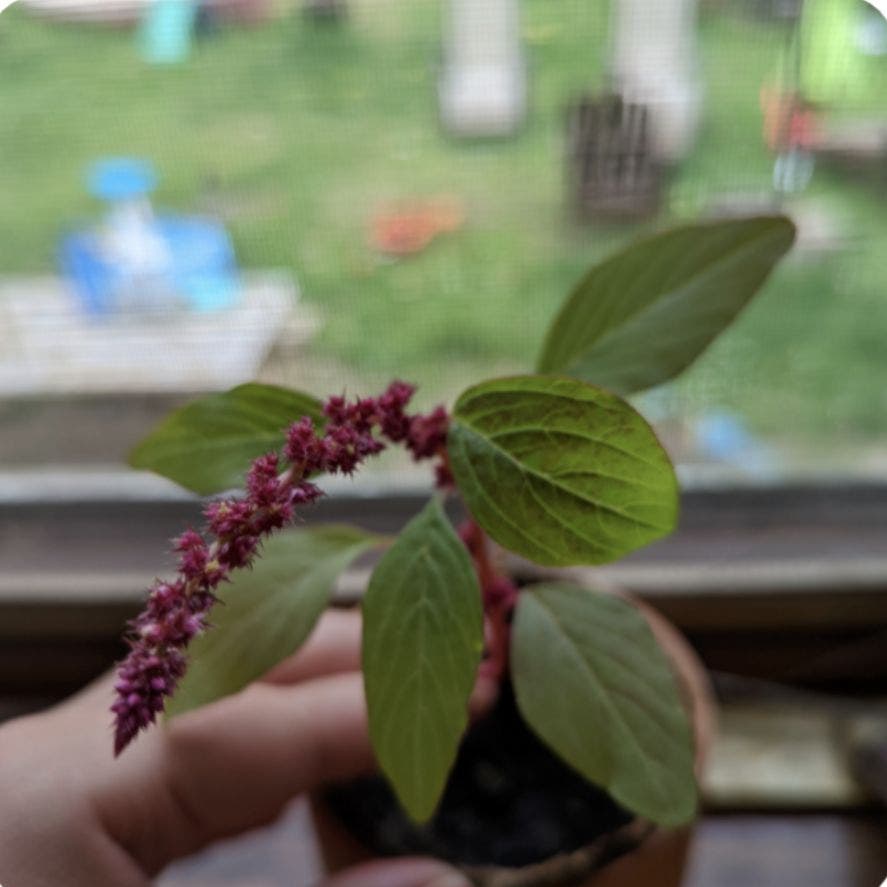
Prince-of-Wales Feather Is Not a Perennial 🪶
Amaranthus hypochondriacus
By the Greg Editorial Team
Sep 29, 2024•4 min read
This article was created with the help of AI so we can cover more plants for you. May contain errors. See one? Report it here.
Revitalize your garden annually with the stunning Prince-of-Wales Feather, a vibrant annual that blooms beautifully! 🌿
- 🌼 Prince-of-Wales Feather is an annual, completing its lifecycle in one season.
- ⏳ Germination to flowering takes 60-90 days, ensuring vibrant blooms in summer.
- 🎨 Replant annually for creative garden designs, embracing its dynamic growth.
Characteristics of Prince-of-Wales Feather as an Annual
🌱 Single-Season Lifecycle
The Prince-of-Wales Feather is a true annual, completing its lifecycle in just one season. From germination to flowering, this plant typically takes about 60 to 90 days, moving through stages of seed, growth, flowering, and ultimately, death.
⚡️ Rapid Growth and Maturity
One of the standout features of this plant is its rapid growth. Under ideal conditions—full sun and well-drained soil—it can reach its full height in just a few weeks, making it a favorite for gardeners seeking quick results.
🚫 Inability to Regrow from the Same Roots
Unlike perennials, which can survive winter and regrow from established root systems, the Prince-of-Wales Feather does not have this capability. Its root system is designed for a single season, emphasizing its annual nature and the need for replanting each year.
This understanding of the Prince-of-Wales Feather's characteristics sets the stage for exploring its implications in garden design and care.
Implications of Annual Nature
🌸 Growth and Flowering Patterns
The Prince-of-Wales Feather boasts a remarkable flowering cycle, providing continuous blooms throughout the growing season. Its most vibrant display occurs during mid-summer, making it a standout in any garden.
⏳ Lifespan Compared to Perennials
Unlike perennials that can thrive for multiple years, the Prince-of-Wales Feather typically lasts just one season. This short lifespan means gardeners must replant each year, which can be both a challenge and an opportunity for creativity.
🎨 Advantages of Being an Annual for Gardeners
One of the key advantages of this annual is its quick maturity, delivering immediate color and texture to gardens. Additionally, its annual nature allows for flexibility, enabling gardeners to change designs and experiment with new plant combinations each year.
Understanding these implications can enhance your gardening strategy, making the most of the unique characteristics of the Prince-of-Wales Feather. Embrace the opportunity to refresh your garden annually, creating a dynamic and ever-evolving landscape.
Common Misconceptions
Misunderstandings About Perennial Classification 🌱
Many gardeners mistakenly believe that the Prince-of-Wales Feather can survive multiple seasons. However, lifecycle studies confirm its true nature as an annual, completing its life cycle within a single growing season.
Situations Where It May Appear Perennial 🌼
In some cases, this plant may seem to persist longer than expected. Self-seeding allows it to create new plants in subsequent seasons, giving the illusion of being perennial.
Additionally, in mild climates, the Prince-of-Wales Feather may appear to thrive beyond its typical lifespan. This can lead to confusion about its classification, but understanding its annual nature is crucial for effective gardening.
As we delve deeper into how to enjoy this vibrant plant, keep these misconceptions in mind. They will help you make informed decisions in your garden planning.
Strategies for Enjoying Prince-of-Wales Feather
🌱 Tips for Maximizing Growth Throughout the Season
To ensure your Prince-of-Wales Feather thrives, regular watering is essential. Consistent moisture helps the plant reach its full potential and bloom beautifully.
Fertilization also plays a crucial role. Using a balanced fertilizer can significantly enhance blooming, giving you vibrant colors throughout the growing season.
🌼 Incorporating into Garden Designs with Perennials
Consider companion planting to maximize visual appeal. Pairing Prince-of-Wales Feather with perennials creates a stunning seasonal contrast that can elevate your garden's aesthetic.
Design strategies are equally important. Use these annuals as focal points or borders in your garden beds to draw the eye and create dynamic spaces.
🎨 Seasonal Care Strategies to Enhance Visual Impact
Deadheading is a simple yet effective technique. By removing spent flowers, you encourage the plant to produce more blooms, extending its visual impact.
Timing of planting can also make a difference. Starting seeds indoors allows for earlier blooms, giving you a head start on enjoying this vibrant annual.
By implementing these strategies, you can fully enjoy the beauty and versatility of Prince-of-Wales Feather in your garden. As you plan your garden, remember that understanding how to care for and incorporate annuals can lead to a more dynamic and colorful landscape.
Summary of Annual Benefits
Final Thoughts on Garden Planning with Prince-of-Wales Feather 🌿
Understanding the classification of plants like Prince-of-Wales Feather is crucial for effective gardening. Recognizing its annual nature helps gardeners make informed decisions about planting and maintenance.
Experimenting with annuals can lead to dynamic and vibrant garden designs. Each season offers a fresh opportunity to create stunning displays that reflect your evolving style.
⚠️ Safety First
This content is for general information and may contain errors, omissions, or outdated details. It is not medical, veterinary advice, or an endorsement of therapeutic claims.
Always consult a qualified healthcare professional before using any plant as food, medicine, or supplement.
Never eat any plant (or feed one to pets) without confirming its identity with at least two trusted sources.
If you suspect poisoning, call Poison Control (800) 222-1222, the Pet Poison Helpline (800) 213-6680, or your local emergency service immediately.
Spotted an error? Please report it here.
Embrace the annual beauty of the Prince-of-Wales Feather and transform your garden design 🌼 with Greg's tailored watering and fertilization tips for vibrant blooms all season long!