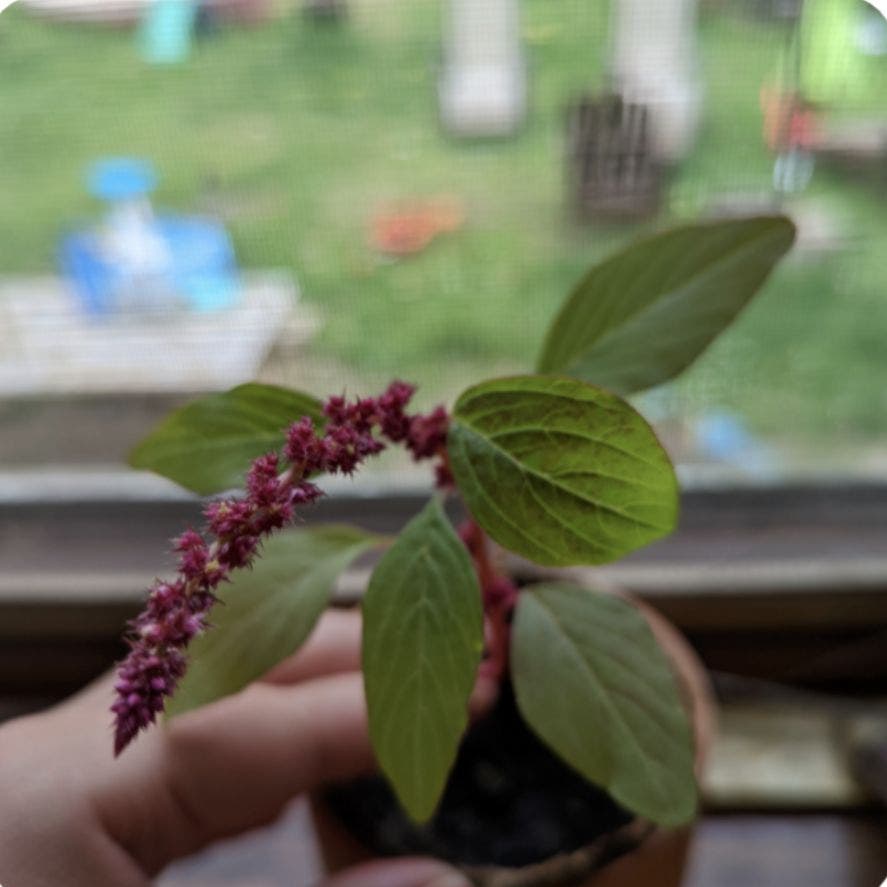
Why Are My Prince-of-wales Feather Leaves Dropping?
Amaranthus hypochondriacus
By the Greg Editorial Team
Apr 17, 2024•4 min read
This article was created with the help of AI so we can cover more plants for you. May contain errors. See one? Report it here.
Prevent your Prince-of-wales Feather's leaf loss 🍂 with our life-saving care secrets!
- Light, water, nutrients: Balance these for healthy Prince-of-wales Feather leaves.
- 🌡️🌧️ Adjust environment and watering to prevent leaf drop.
- 🕵️♂️ Regular checks for pests and diseases keep leaves loyal.
Spotting the Trouble Signs
💡 Environmental Stress Triggers
Light, temperature, and humidity form the trifecta of environmental stress that can send your Prince-of-wales Feather's leaves packing. If the light's too dim, your plant might shed leaves in a silent protest. On the flip side, too much direct sunlight can lead to a leaf scorched earth scenario. Aim for that Goldilocks zone of bright, indirect light.
🌡️ Water Woes
When it comes to watering, your plant is as picky as a cat in a petting zoo. Overwatering can lead to root rot, a silent killer that'll have leaves dropping like bad habits. Underwatering, though, leaves your plant thirstier than a marathon runner without a water station. The key is consistent moisture – not too much, not too little.
🍽️ Nutrient No-Nos
Nutrient deficiencies are like missed meals for your plant. Yellowing leaves can signal a lack of nitrogen, while a purplish tint might scream phosphorus deficiency. A balanced diet is crucial; feed your plant a balanced fertilizer, but don't overdo it. Overfeeding is the dietary equivalent of fast food for plants – tempting but troublesome.
🐜 Unwanted Guests and Illnesses
Pests and diseases are the party crashers no one wants. Spider mites, mealybugs, and aphids are the freeloaders munching on your plant's leaves. Diseases like root rot and fungal infections are the shady characters that cause yellowing and leaf drop. Regular check-ups can catch these culprits before they turn your plant into a botanical crime scene. Keep an eye out for wilting, spots, or a sticky residue – these are your plant's version of waving a white flag.
First Aid for Fallen Leaves
💡 Balancing the Elements
Quick fixes for light, temperature, and humidity can be lifesavers. If your plant's leaves are dropping, it might be throwing shade at its current spot. Move it to an area with bright, indirect light. Too hot or too cold? Keep the temperature steady; avoid placing your plant next to drafty windows or radiators. Humidity can be a silent leaf killer. If your air is drier than a stand-up comedian's wit, consider a humidifier.
🚰 Watering Wisdom
Finding the hydration sweet spot is key. Overwatering can drown your plant's roots, while underwatering leaves them parched. Let the top inch of soil dry out before giving it a drink. If you're second-guessing your touch, a moisture meter can be your best friend. When you water, do it like you mean it—until it drains out the bottom. Then, no more water until the soil's dry again. It's a simple rhythm that keeps roots healthy and leaves on point.
🍽️ Feeding Your Feathered Friend
When leaves are falling, it might be time for a nutrient boost. A balanced, water-soluble fertilizer is like a pick-me-up for your plant. But remember, less is more. Overfeeding can be just as bad as underfeeding. Stick to the instructions—this isn't the time for improvisation. And check that soil pH; it's crucial for nutrient uptake. If it's off, your plant's as likely to absorb nutrients as a brick wall is to absorb water.
Keeping the Leaves Loyal
💪 Routine for Resilience
Consistency is your plant's best friend. Establish a care routine that's as reliable as your morning coffee. Rotate your Prince-of-wales Feather to ensure even light exposure, and prune with purpose, snipping away any sad-looking leaves to encourage new growth. It's like being a plant coach—keeping it in top form.
🕵️ Monitoring for Maladies
Visual checks are non-negotiable. If a leaf starts looking as off-color as a bad fake tan, it's time to play plant detective. Keep the soil clear of debris to discourage pests and diseases. Remember, cleanliness isn't just for aesthetics—it's a preventative shield. Regular pest patrols are crucial; think of them as your nightly neighborhood watch. Spot an issue? Act fast with safe treatments. It's about being proactive, not reactive—catching issues early is the key to keeping your plant's leaves from staging a walkout.
⚠️ Safety First
This content is for general information and may contain errors, omissions, or outdated details. It is not medical, veterinary advice, or an endorsement of therapeutic claims.
Always consult a qualified healthcare professional before using any plant as food, medicine, or supplement.
Never eat any plant (or feed one to pets) without confirming its identity with at least two trusted sources.
If you suspect poisoning, call Poison Control (800) 222-1222, the Pet Poison Helpline (800) 213-6680, or your local emergency service immediately.
Spotted an error? Please report it here.
Revive your Prince-of-wales Feather's leaves by letting Greg calibrate 🎚 your plant's care routine, ensuring just the right amount of water and light.