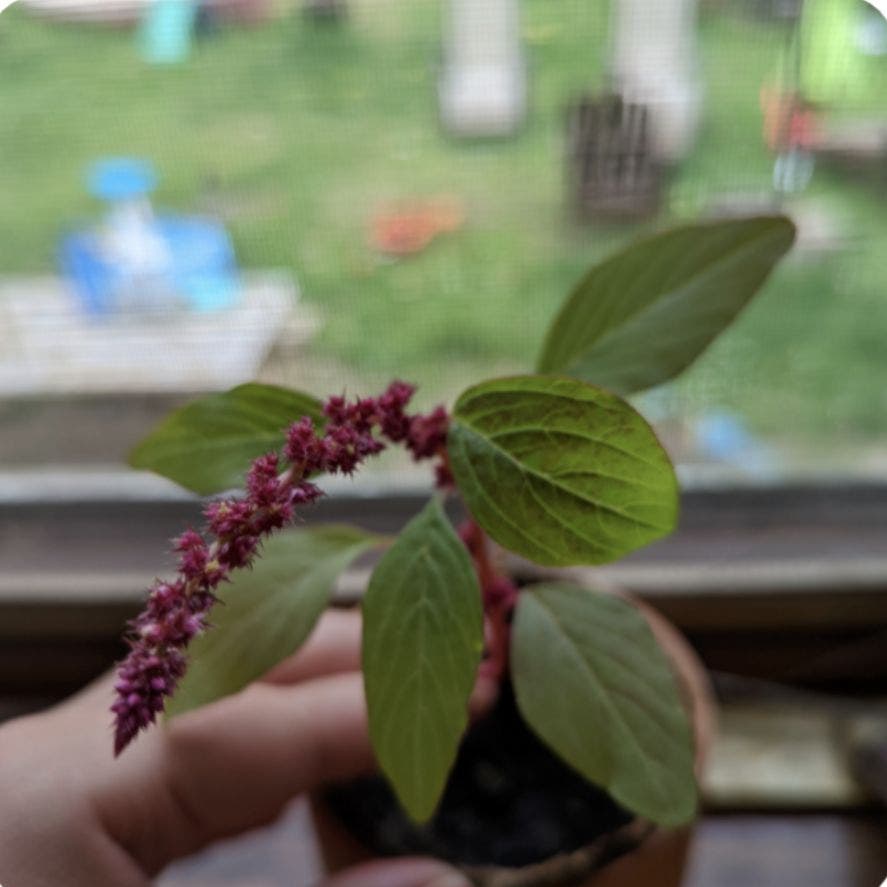
Propagating Your Prince-of-wales Feather: Step-by-Step Guide
Amaranthus hypochondriacus
By the Greg Editorial Team
Apr 17, 2024•6 min read
This article was created with the help of AI so we can cover more plants for you. May contain errors. See one? Report it here.
Multiply your garden's royalty 🌿 with this fail-proof guide to propagating Prince-of-wales Feather!
- Choose healthy stems: Vibrant color and firm texture are key.
- Humidity aids rooting: Provide a stable, moist environment for cuttings.
- Troubleshoot with care: Address wilting, root rot, and pests promptly.
Getting Started with Stem Cuttings
🌱 Choosing Your Cuttings
When eyeing potential Prince-of-wales Feather stems for propagation, pick the cream of the crop. Vibrant color and a firm texture are your go-tos. Steer clear of any stems that look like they've seen better days or have uninvited pests hitching a ride.
🌿 Prepping Your Cuttings
Once you've snagged that prime stem, it's time for a clean break. Sterilize your shears—think surgeon clean. Snip just below a leaf node at a 45-degree angle; this isn't just for aesthetics, it's science. It maximizes the area from which roots can emerge. If you're feeling fancy, give the cut end a dip in rooting hormone. It's like a shot of espresso for your cutting's rooting reflex.
🏡 Setting Up the Right Environment
Now, let's talk real estate. Your cuttings need a humid and stable environment to kick off their root-growth journey. Think of it as a spa retreat for plants. If you're rooting in water, remember: tap is out, filtered is in. For soil starters, choose a mix that's the life of the party—well-draining yet able to hold onto moisture like a juicy secret. Keep the light bright but indirect, like a sunny day with sunglasses on.
Dividing Your Prince-of-wales Feather
🌱 The Division Process
Before you start, sanitize your tools to avoid introducing any diseases to the fresh cuts. Water your Prince-of-wales Feather a day before to ensure the roots are hydrated. Gently remove the plant from its pot and look for natural divisions in the root ball. Each new section should have a good amount of roots and at least one shoot. Use your hands or a clean, sharp knife to separate the plant into sections.
🌿 Post-Division Care
Immediately after division, plant each section in its own pot with fresh, well-draining soil. Match the soil line to the previous level to make the transition smoother for the plant. Water thoroughly but take care not to waterlog the soil, as this can lead to root rot. Place the pots in a location with bright, indirect light and maintain consistent moisture. Keep an eye out for new growth, which signals that your Prince-of-wales Feather is settling into its new home.
Potting Mix and Watering for Propagation Success
🌱 Choosing the Right Mix
Selecting the perfect potting mix is like picking out a high-performance running shoe for your plant—it needs to provide support and breathability. Aim for a mix that strikes a balance between drainage and moisture retention. A blend of peat moss, perlite, and compost should do the trick, creating a cozy but not suffocating environment for those tender roots. Remember, drainage holes are non-negotiable; they're the escape route for excess water.
💧 Watering Techniques
Watering is less about sticking to a schedule and more about reading the room—or in this case, the soil. The goal is to keep the soil as moist as a well-wrung sponge, avoiding waterlogged doom. Overwatering is the villain here, leading to the dreaded root rot. So, check the soil's moisture with your finger—if it feels dry an inch below the surface, it's time to water. And always ensure your pots have drainage holes; they're not just there for their good looks.
When Things Don't Go as Planned
🌱 Common Propagation Pitfalls
Propagation can be a fickle friend. Here's how to troubleshoot when your Prince-of-wales Feather isn't playing nice.
Wilting Woes
If your cuttings are wilting, temperature could be the culprit. Move them to a warmer spot. Ensure they're not in a drafty area, as consistent warmth is key.
Root Rot Ruckus
Root rot is a classic sign of overwatering or poor drainage. If the roots look like soggy spaghetti, it's time to act. Trim the damaged parts, let the healthy roots dry, and repot in a mix that drains well.
Fungal Fiascos
Mold and fungus love moisture a bit too much. Increase airflow to prevent their spread. If they've already shown up, cut away the affected areas and consider a fungicide.
Pests and Invaders
Neem oil or insecticidal soap can be your best friends when dealing with pests. Apply diligently, because bugs can be more persistent than a door-to-door salesman.
Light Laments
Stunted growth or yellowing leaves might mean your plant is throwing shade at your lighting setup. Ensure it's getting enough light, but not too much direct sunlight.
Watering Woes
Watering should be like a good conversation—enough to keep things flowing, but not so much that it drowns out everything else. Aim for the soil, not the leaves, and let it dry out between waterings.
Temperature Tantrums
Seedlings and cuttings need that Goldilocks zone—not too hot, not too cold. Monitor the temperature closely to keep your propagation on track.
Patience, Please
Sometimes, despite doing everything right, roots take their sweet time. Don't rush them; they're on their own schedule, like a teenager on a weekend morning.
Remember, propagation isn't a sprint; it's a marathon with hurdles. Keep these tips in your back pocket, and you'll be ready to jump over any obstacle.
Transplanting Your New Prince-of-wales Feather Plants
🌱 The Big Move
Timing is crucial when transplanting your Prince-of-wales Feather plants. Aim for early spring, when growth is just kicking off. This gives your plants the whole season to establish themselves without the stress of extreme temperatures.
🛠 Preparing for the Transition
Before you uproot anything, ensure the new home is ready. Well-draining soil is non-negotiable; it's what these plants crave. No need for added fertilizers if you're upgrading pot size as your plant grows.
🌿 The Transplanting Process
Handle with care—your plant's roots are as precious as a family heirloom. When the roots have formed a small network, it's time. Gently tease them out of the nursery pot and place them in their new abode, which should be no more than a foot from a light source.
🐠 Acclimating to New Surroundings
Think of it as a fish acclimating to a new tank. Introduce your plant to its new spot gradually to prevent shock. A few hours of increased light per day should do the trick until it's basking in long-lasting, direct light.
💧 Watering Post-Transplant
Watering is a balancing act—too much, and you're in trouble. Ensure consistent moisture but avoid waterlogging. Your plant will tell you if you're overdoing it; yellowing leaves are a cry for help.
🌱 Monitoring Growth
Celebrate new growth—it's a sign of success. But stay vigilant. If you notice any distress, reassess your care routine immediately. Remember, overwatering is often the culprit, so check your watering schedule before you drown your plant in love.
⚠️ Safety First
This content is for general information and may contain errors, omissions, or outdated details. It is not medical, veterinary advice, or an endorsement of therapeutic claims.
Always consult a qualified healthcare professional before using any plant as food, medicine, or supplement.
Never eat any plant (or feed one to pets) without confirming its identity with at least two trusted sources.
If you suspect poisoning, call Poison Control (800) 222-1222, the Pet Poison Helpline (800) 213-6680, or your local emergency service immediately.
Spotted an error? Please report it here.
Propagate your Prince-of-wales Feather effortlessly 🌿 with Greg's custom care reminders, ensuring your cuttings thrive from snip to soil.