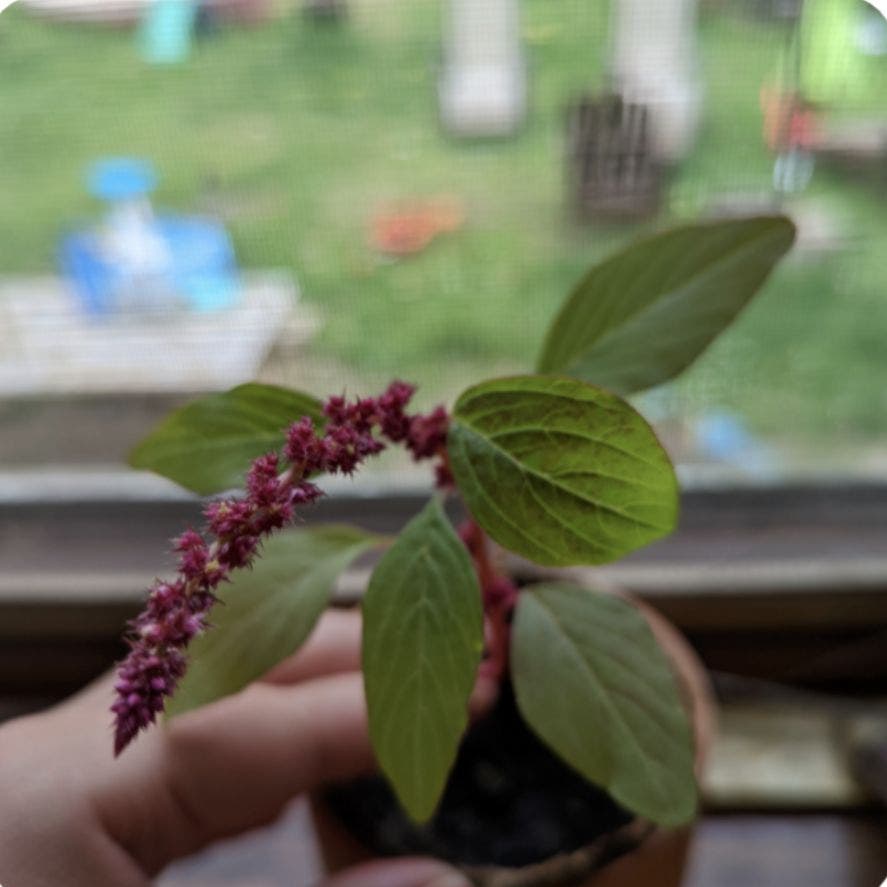
Why Are There Brown Spots on My Prince-of-wales Feather?
Amaranthus hypochondriacus
By the Greg Editorial Team
Apr 17, 2024•4 min read
This article was created with the help of AI so we can cover more plants for you. May contain errors. See one? Report it here.
Banish brown spots 🍂 on your Prince-of-wales Feather and restore its royal lushness with these expert tips!
- Over/underwatering? Adjust watering when top inch of soil is dry.
- Pests and diseases can cause spots; isolate and treat as needed.
- Prevent stress-induced spots with proper light, temperature, and airflow.
Spotting the Trouble: Identifying Brown Spots
🕵️ What Do Brown Spots Look Like?
Brown spots on Prince-of-wales Feather can be sneaky. They might creep up as tiny dots or barge in as big, brash blotches. Texture matters; some spots are dry and crispy, others are soggy and soft. A yellow halo often plays the traitor, circling the spot like a bullseye.
🔍 Playing Detective: Finding the Cause
To find the culprit behind the spots, inspect the distribution. Spots with a bullseye look or those that favor the leaf's edge over its center are clues. Consistency in appearance can differentiate between a natural quirk and a cry for help. If the spots are spreading like a rumor, it's time to investigate.
Water Woes: Over and Underwatering
🚰 Signs Your Plant is Drowning or Thirsty
Overwatering transforms your Prince-of-wales Feather into a drowned salad, with leaves sporting brown, mushy spots. If the soil squishes under your finger, it's a red flag. Conversely, underwatering leaves the plant looking like it's on a hunger strike—crispy leaves and soil that crumbles like stale bread.
Fine-Tuning Your Watering Technique
Consistency is your plant's best friend. For a happy Prince-of-wales Feather, let the top inch of soil dry out before watering again. Think of it as the plant's breather between laps in a pool. In winter, they're more like a camel, needing less water. Stick to a schedule, and your plant won't throw a fit.
Unwanted Guests and Unseen Foes: Pests and Diseases
🐛 Common Culprits: Pests that Leave a Mark
Tiny insects and their telltale signs can wreak havoc on your Prince-of-wales Feather. Spider mites leave behind fine webs, while aphids excrete a sticky residue. Mealybugs appear as white fluff, often found on the undersides of leaves. These pests suck the life out of your plant, leaving behind brown spots as a calling card.
🦠 Silent Spreaders: Diseases that Discolor
Fungal and bacterial infections are stealthy invaders, thriving in moist conditions. Fungal diseases often present with brown spots surrounded by a yellow halo or concentric rings. Bacterial infections may show up as water-soaked lesions, sometimes bordered by a red or yellow edge. To combat these, isolate the plant, remove infected leaves with sterilized scissors, and consider fungicides or bactericides, always following label instructions. Prevent future attacks by ensuring good air circulation and keeping foliage dry.
Environmental Factors: Stress-Induced Spots
🌡️ Too Hot, Too Cold, Too Dry, Too Bold
Extreme temperatures and humidity levels are notorious for causing brown spots on Prince-of-wales Feather. Low humidity often leads to crispy edges, a plant's silent scream for moisture. On the flip side, dramatic temperature shifts can send your plant into a state of shock, manifesting as those dreaded spots.
Crafting the Perfect Environment
Creating a stable environment is like setting the stage for a plant's optimal performance. Bright, indirect sunlight is your best bet to avoid the scorch of direct rays or the pale stretch of insufficient light. Keep your plant away from drafts and radiators to dodge temperature tantrums. And remember, air circulation is key; don't let your plant stew in stagnant air. Aim for that sweet spot of consistent, gentle conditions where your Prince-of-wales Feather can thrive without throwing a brown spot fit.
Turning Over a New Leaf: Remedies and Prevention
🍂 Immediate Interventions: Addressing Current Brown Spots
Once you've pinpointed the cause of those pesky brown spots, spring into action. If it's a watering issue, adjust your routine—more or less is the question, and your plant's thirst will give you the answer. For fungal foes, a fungicide is your go-to. Remember, read the label; it's the commandments for plant salvation.
Prune away the damaged leaves with the precision of a surgeon; it's tough love for the greater good. If pests are your problem, show them the door with eco-friendly insecticides or introduce natural predators like ladybugs to the mix.
🌿 Long-Term Tactics: Keeping Spots at Bay
Consistency is your plant's best friend. Water with a Goldilocks touch—just right. Keep the airflow moving; stagnant air is a spore's playground. Lighting is a balancing act; too much sun and your plant's leaves will crisp up, too little and they'll languish.
Regular maintenance is like brushing your teeth—it's a daily ritual that prevents decay. Keep an eye out for early signs of trouble; catching issues early can save you a world of hassle. And if all else fails, adjust and adapt. Your plant's care routine isn't set in stone; it's a living document that evolves with your plant's needs.
⚠️ Safety First
This content is for general information and may contain errors, omissions, or outdated details. It is not medical, veterinary advice, or an endorsement of therapeutic claims.
Always consult a qualified healthcare professional before using any plant as food, medicine, or supplement.
Never eat any plant (or feed one to pets) without confirming its identity with at least two trusted sources.
If you suspect poisoning, call Poison Control (800) 222-1222, the Pet Poison Helpline (800) 213-6680, or your local emergency service immediately.
Spotted an error? Please report it here.
Banish brown spots on your Prince-of-wales Feather by letting Greg craft a custom care plan 🌿 that tackles watering, pests, and environmental stressors.