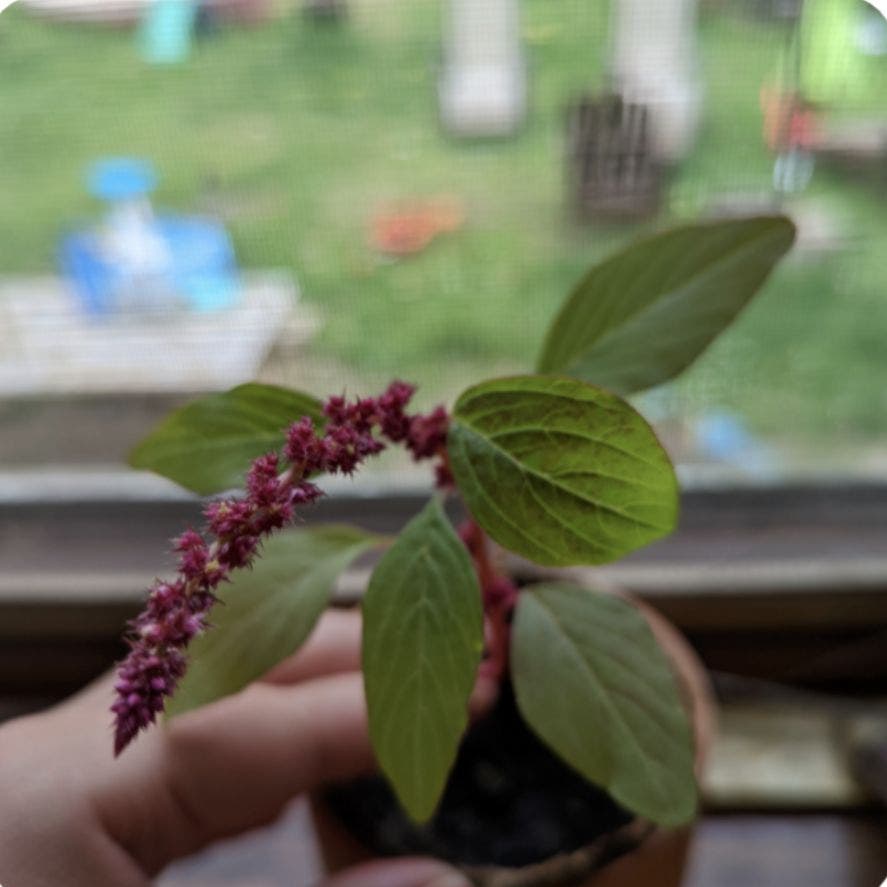
❤️ Frost-Hardy Love-Lies-Bleeding Zones 2a-11b
Amaranthus caudatus
By the Greg Editorial Team
Oct 16, 2024•4 min read
This article was created with the help of AI so we can cover more plants for you. May contain errors. See one? Report it here.
- ❄️🌱 Love-Lies-Bleeding thrives in USDA zones 2a to 11b, enduring extreme temperatures.
- 🌞🌡️ Ideal growth occurs between 60°F and 85°F, balancing heat and moisture for success.
- 🌍🌿 Microclimates enhance growth, allowing this plant to flourish in varied conditions.
Temperature Tolerance
❄️ Cold Tolerance Specifics
Love-Lies-Bleeding is remarkably resilient, able to withstand temperatures as low as -50°F (-45°C) in USDA Zone 2a. This cold tolerance means it can survive light frosts, allowing for extended growth periods in cooler climates.
☀️ Heat Tolerance Specifics
On the flip side, this plant thrives in warmer conditions, flourishing in temperatures up to 100°F (38°C) in southern regions. This heat tolerance is crucial for its growth, especially in areas where summer temperatures soar.
🌡️ Ideal Temperature Ranges for Growth
For optimal growth, Love-Lies-Bleeding prefers a temperature range of 60°F to 85°F (15°C to 29°C). Staying within this range not only promotes healthy flowering but also ensures the plant remains vibrant and robust throughout its growing season.
Understanding these temperature tolerances is essential for successful cultivation. With the right conditions, Love-Lies-Bleeding can truly thrive, setting the stage for the next section on ideal growing regions.
Ideal Growing Regions
Examples of US States Suitable for Growing 🌎
Love-Lies-Bleeding thrives across a range of USDA zones, from 2a to 11b. Notable states include Minnesota (Zone 2a), Texas (Zone 8b), and California (Zone 9b), each offering unique growing conditions.
In Minnesota, the northern climate provides a cool environment that supports this frost-hardy plant. Meanwhile, Texas boasts warmer temperatures, particularly in the southern regions, allowing for robust growth. California's diverse climate, especially along the coast, creates ideal conditions for flourishing Love-Lies-Bleeding.
Factors Contributing to Ideal Growing Conditions 🌱
For optimal growth, Love-Lies-Bleeding prefers well-drained, fertile soil. This ensures that roots can access necessary nutrients without the risk of rot.
Additionally, adequate sunlight and moisture levels are crucial. A sunny spot with consistent watering can significantly enhance the plant's health and flowering potential.
Comparison of Different Regions 🌍
Growing conditions can vary dramatically between northern and southern states. In northern regions, Love-Lies-Bleeding often behaves as an annual, completing its life cycle within a single season.
Conversely, in southern areas, it can thrive as a perennial, returning year after year. Seasonal variations also play a role; northern growers must contend with shorter growing seasons, while southern gardeners enjoy longer periods of growth and flowering.
Understanding these differences can help you choose the best location for your Love-Lies-Bleeding, ensuring a vibrant display in your garden.
Microclimates and Their Impact
🌍 Definition and Importance
Microclimates are localized climatic conditions that can significantly differ from the surrounding areas. These unique environments can create opportunities for growing Love-Lies-Bleeding in regions where it might not typically thrive.
🌱 How Microclimates Enhance Growth
Microclimates can provide warmer temperatures, increased moisture, or even protection from harsh winds. This means that even in less-than-ideal zones, gardeners can successfully cultivate this vibrant plant.
🌊 Examples of Microclimates Affecting Growth
Coastal Areas in California
In California, coastal microclimates offer mild temperatures and ample moisture. These conditions are perfect for Love-Lies-Bleeding, allowing it to flourish even in cooler coastal regions.
🏙️ Urban Gardens in New York
Urban gardens in New York City create their own microclimates due to heat retention from buildings and pavement. This warmth can extend the growing season, making it possible to grow Love-Lies-Bleeding successfully.
📈 Conclusion
Understanding microclimates is essential for maximizing your gardening potential. By recognizing these localized conditions, you can expand your gardening horizons and cultivate Love-Lies-Bleeding in unexpected places. Next, let’s explore state-level suitability for this resilient plant.
State-Level Suitability Analysis
🌱 Suitable States
Love-Lies-Bleeding thrives in various states across the U.S., particularly those within USDA zones 2a to 11b. Notable examples include Minnesota (Zone 2a), Texas (Zone 8b), and California (Zone 9b), each offering unique growing conditions.
In Minnesota, the cold tolerance allows for successful growth despite harsh winters. Texas, with its warmer climate, provides ample heat tolerance, while California's diverse microclimates create ideal conditions for flourishing plants.
❌ Unsuitable States
Conversely, some states fall outside the hardiness zone range, making them unsuitable for Love-Lies-Bleeding. States like Alaska and North Dakota face significant climate challenges that hinder growth.
These regions experience extreme cold temperatures and limited growing seasons, which can be detrimental to the plant's survival.
📉 Reasons for Unsuitability
The primary reasons for unsuitability include harsh winters and short growing seasons. In areas with excessive heat or humidity, the plant may struggle to thrive, leading to stunted growth or failure to bloom.
Understanding these factors helps gardeners make informed decisions about where to plant Love-Lies-Bleeding, ensuring a vibrant and healthy garden.
As we explore the next topic, we'll delve into the fascinating world of microclimates and their impact on plant growth.
⚠️ Safety First
This content is for general information and may contain errors, omissions, or outdated details. It is not medical, veterinary advice, or an endorsement of therapeutic claims.
Always consult a qualified healthcare professional before using any plant as food, medicine, or supplement.
Never eat any plant (or feed one to pets) without confirming its identity with at least two trusted sources.
If you suspect poisoning, call Poison Control (800) 222-1222, the Pet Poison Helpline (800) 213-6680, or your local emergency service immediately.
Spotted an error? Please report it here.
Cultivate vibrant Love-Lies-Bleeding 🌱 with Greg's personalized care tips that ensure your garden thrives in any climate!