🍑 9 Do's and Don'ts of Growing Peach
Prunus persica
By the Greg Editorial Team
Oct 04, 2024•7 min read
This article was created with the help of AI so we can cover more plants for you. May contain errors. See one? Report it here.
- 🌞 Peach trees need 6-8 hours of sunlight daily for optimal growth and fruiting.
- 🌱 Maintain 15-20 feet spacing between trees to enhance air circulation and reduce diseases.
- 💧 Well-drained soil is essential; poor drainage can lead to harmful root rot.
Choosing the Right Location
🌞 Sunlight and Space Requirements
Peach trees thrive in full sun, requiring at least 6 to 8 hours of direct sunlight daily. This exposure is crucial for healthy growth and fruit production.
When planting, ensure a minimum distance of 15 to 20 feet between trees. This spacing promotes optimal air circulation, reducing the risk of disease and allowing each tree to flourish.
🌱 Soil Conditions
Well-drained soil is essential for peach trees. Poor drainage can lead to root rot, which can devastate your plants.
Aim for a soil pH between 6.0 and 7.0. This range is ideal for nutrient uptake, ensuring your trees receive the necessary elements for robust growth.
❄️ Climate Considerations
Understanding chilling hours is vital for successful fruiting. Peach trees require a specific number of chilling hours—cold temperatures that help break dormancy.
Select a location based on your local climate conditions and the specific variety of peach you wish to grow. Different varieties have varying chilling hour requirements, so choose wisely to ensure a bountiful harvest.
With the right location secured, you're one step closer to growing healthy peach trees. Next, let’s dive into soil preparation and amendments to set the stage for planting.
Soil Preparation and Amendments
🧪 Soil Testing and Amendments
Before planting your peach trees, conducting a soil test is essential. This assessment helps you understand the pH and nutrient levels, ensuring your trees have the best start possible.
To adjust pH levels, consider adding compost, aged manure, or sulfur. These amendments not only enhance soil quality but also promote healthy root development.
🌱 Preparing the Planting Site
Start by clearing the planting area of any debris. Removing weeds and rocks creates a clean slate for your peach trees to thrive.
Next, till the soil to improve aeration and drainage. Loosening the soil allows roots to spread easily and access vital nutrients.
🍂 Mulching Techniques
Mulch is your best friend when it comes to maintaining soil health. It retains moisture, suppresses weeds, and regulates soil temperature, creating a stable environment for your trees.
For the best results, use organic mulches like wood chips or straw. These materials break down over time, enriching the soil and promoting a healthy ecosystem.
With your soil prepared and mulched, you’re ready to move on to the exciting process of planting your peach trees.
Planting Techniques
Step-by-Step Guide to Planting Peach Trees 🍑
Planting a peach tree is straightforward and rewarding. Follow these simple steps for success:
Digging the hole: Make the hole twice the width and depth of the root ball. This gives roots ample room to spread.
Positioning the tree: Place the tree at the same depth it was in the nursery. This ensures it can thrive without stress.
Backfilling: Mix native soil with compost to enrich nutrients. This combination supports healthy growth.
Watering: After planting, soak the soil thoroughly. This helps settle the soil around the roots.
Best Practices for Container Planting 🪴
Container planting can be a great option for those with limited space. Here are some tips:
Choosing the right container: Select a pot that is at least 18 inches in diameter. This size provides enough room for root development.
Drainage holes: Ensure your container has proper drainage holes. This prevents root rot, a common issue in container gardening.
Spacing and Layout Considerations 📏
Proper spacing is crucial for healthy peach trees. Consider the following:
Recommended spacing: Space standard varieties 15-20 feet apart. Dwarf varieties can be planted closer together.
Layout designs: Choose between row planting or staggered planting. Staggered layouts improve air circulation, reducing disease risk.
With these planting techniques, you're well on your way to growing healthy peach trees. Next, let’s explore how to care for your trees through effective watering and fertilizing practices.
Watering and Fertilizing
💧 Watering Schedule and Techniques
Watering your peach trees is crucial for their health. Aim to water deeply once a week, increasing frequency during dry spells.
For efficient watering, consider using drip irrigation or soaker hoses. These methods deliver moisture directly to the roots, minimizing waste and ensuring your trees thrive.
🌱 Types of Fertilizers
Choosing the right fertilizer can make a significant difference in your peach tree's growth. A balanced NPK fertilizer, like 10-10-10, is recommended during the growing season.
Timing is key; fertilize in early spring and again in mid-summer to support robust growth and fruit production.
⚠️ Signs of Over-Fertilization or Nutrient Deficiency
Be vigilant for signs of over-fertilization, such as leaf burn or excessive growth with few fruits. These symptoms indicate that your trees might be getting too much of a good thing.
On the flip side, nutrient deficiencies can manifest as yellowing leaves, stunted growth, and poor fruit development. Regular monitoring will help you catch these issues early and keep your trees healthy.
Understanding these watering and fertilizing techniques is essential for nurturing your peach trees. Next, let’s explore the importance of pruning and maintenance to ensure your trees continue to flourish.
Pruning and Maintenance
🌳 Importance of Pruning
Pruning is essential for peach trees. It enhances air circulation, reducing the risk of diseases and promoting healthy growth.
Proper pruning techniques also encourage fruit production. By stimulating new growth, you set the stage for a bountiful harvest.
✂️ Techniques for Effective Pruning
Timing is crucial when it comes to pruning. The best time to prune peach trees is in late winter or early spring, just before new growth begins.
There are two main methods to consider: thinning cuts and heading cuts. Thinning cuts remove entire branches, while heading cuts shorten branches to encourage bushier growth.
📅 Seasonal Maintenance Tasks
Spring is a busy time for peach tree care. Focus on fertilizing, watering, and monitoring for pests to ensure a strong start.
In summer, regular pruning, watering, and fruit thinning are key. This helps maintain tree health and encourages better fruit quality.
As fall approaches, prepare your trees for winter. Mulching and cleaning up fallen leaves will protect your trees and promote healthy soil.
With these pruning and maintenance practices, your peach trees will thrive, setting you up for a fruitful season ahead. Next, let’s explore common challenges and solutions to keep your trees healthy and productive.
Common Challenges and Solutions
🐛 Identifying and Managing Pests
Common Pests
Peach trees can attract a variety of pests, with the peach tree borer being one of the most notorious. Look for signs like sawdust around the base of the tree and holes in the bark; these indicate an infestation. Control methods include applying insecticides or using beneficial nematodes to target the larvae.
Aphids are another common issue, often appearing in clusters on new growth. They can cause yellowing leaves and stunted growth. Organic control options include introducing ladybugs or using insecticidal soap to keep their numbers in check.
🦠 Common Diseases
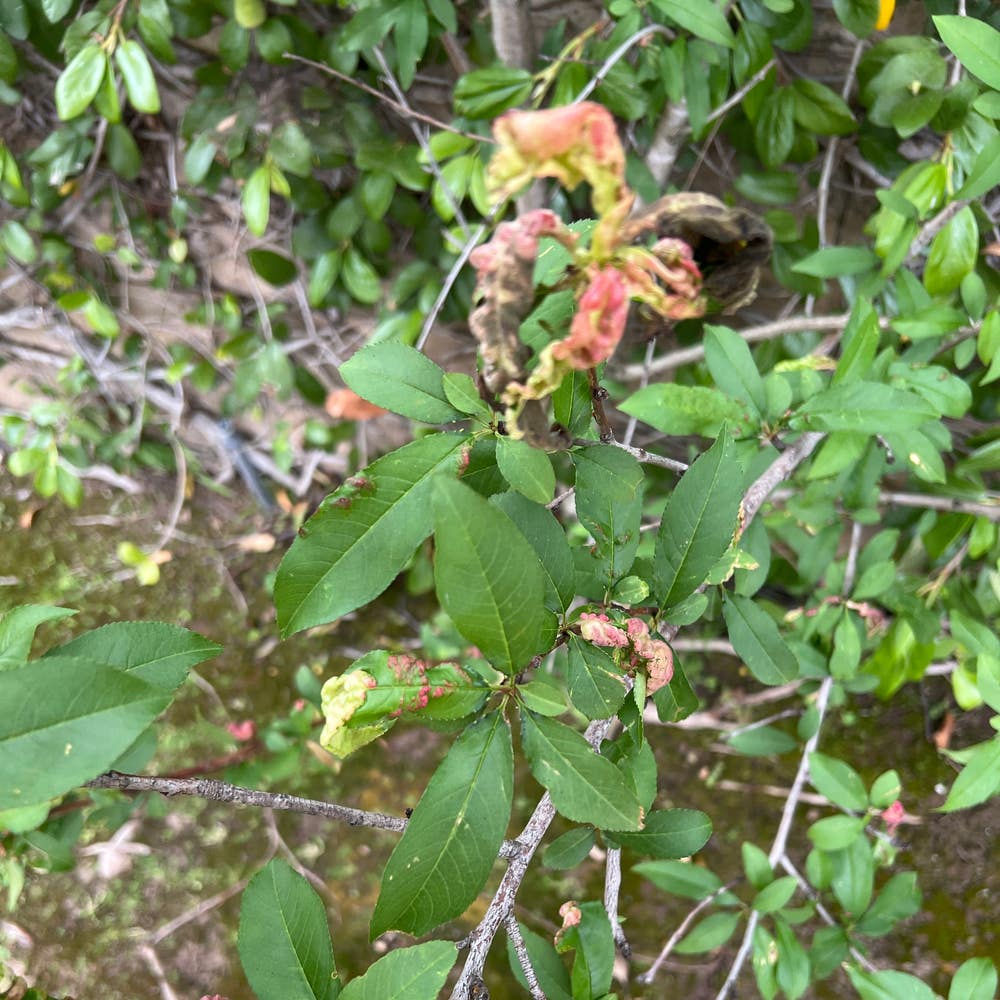
Peach Leaf Curl
Peach leaf curl is a fungal disease that manifests as curling and discoloration of leaves. To prevent this, practice proper pruning to improve air circulation and apply fungicides during the dormant season.
Brown Rot
Brown rot affects both fruit and blossoms, leading to unsightly rotting. Regular sanitation is key; remove any infected fruit and debris from around the tree to minimize the risk of this disease.
🛠️ Troubleshooting Growth Issues
If your peach tree shows signs of stunted growth, it may be time for a soil test. This will help identify nutrient deficiencies or imbalances that need addressing.
Fruit drop can also be a concern, often linked to environmental stress factors like drought or extreme temperatures. Understanding these conditions can help you take proactive measures to support your tree's health.
With these challenges in mind, you'll be better equipped to nurture your peach trees and enjoy a bountiful harvest. Next, let's explore the essential practices for pruning and maintaining your peach trees for optimal growth.
⚠️ Safety First
This content is for general information and may contain errors, omissions, or outdated details. It is not medical, veterinary advice, or an endorsement of therapeutic claims.
Always consult a qualified healthcare professional before using any plant as food, medicine, or supplement.
Never eat any plant (or feed one to pets) without confirming its identity with at least two trusted sources.
If you suspect poisoning, call Poison Control (800) 222-1222, the Pet Poison Helpline (800) 213-6680, or your local emergency service immediately.
Spotted an error? Please report it here.
Grow juicy peaches 🍑 with confidence by using Greg's tailored care reminders and soil testing features to help your trees flourish and bear fruit for years to come!