Ultimate Guide to Humidity for Nectarine 💧
Prunus persica
By the Greg Editorial Team
Nov 22, 2024•6 min read
This article was created with the help of AI so we can cover more plants for you. May contain errors. See one? Report it here.
- 🌬️ Absolute vs. relative humidity: Know the difference for optimal nectarines care.
- 🌱 Ideal humidity for nectarines is 40%-60% to prevent diseases and improve fruit quality.
- 📏 Monitor humidity levels with hygrometers for proactive adjustments and healthy growth.
Absolute and Relative Humidity
📖 Definitions and Importance
Absolute humidity is the actual amount of water vapor in the air, measured in grams per cubic meter. Understanding this concept is crucial for anyone caring for nectarines, as it directly impacts their growth.
Relative humidity (RH), on the other hand, is the percentage of moisture in the air compared to the maximum amount the air can hold at a specific temperature. Maintaining optimal RH is vital for preventing stress in nectarines and promoting their healthy growth.
🌱 Ideal Humidity Levels for Nectarines
For healthy nectarines, the optimal relative humidity range is between 40% and 60%. Staying within this range not only supports the plant's overall health but also enhances fruit quality.
When humidity levels are maintained within this ideal range, nectarines are less susceptible to diseases and stress. This balance leads to better fruit development and a more robust plant, ensuring a bountiful harvest.
As you consider humidity levels, remember that they play a significant role in the success of your nectarine care. Understanding these concepts sets the foundation for effective gardening practices.
Local Humidity Considerations
🌧️ Assessing Local Humidity Levels
Understanding local humidity levels is crucial for nurturing healthy nectarines. You can assess humidity using hygrometers, which measure moisture in the air, or by checking local weather data for humidity reports.
Monitoring these levels helps you tailor your care practices effectively. By being aware of the humidity patterns in your area, you can make informed decisions that promote optimal growth for your nectarines.
🍂 Seasonal Variations in Humidity
Seasonal changes can significantly impact humidity levels, affecting your nectarines' growth conditions. For instance, summer often brings higher humidity, while winter can lead to drier air.
To adapt your care practices, consider adjusting watering schedules and humidity-boosting techniques during different seasons. This proactive approach ensures your nectarines thrive, regardless of the weather fluctuations.
By staying attuned to local humidity and seasonal variations, you can create a nurturing environment for your nectarines, setting the stage for healthy growth and bountiful fruit.
Strategies for Boosting Humidity
🌬️ Using Humidifiers
Humidifiers are a fantastic tool for maintaining optimal humidity levels for nectarines. They help create a stable environment, especially in dry indoor conditions, ensuring your plants thrive.
When selecting a humidifier, consider options like ultrasonic or evaporative models. These types are effective and can easily maintain the desired humidity range for your nectarines.
🌱 Grouping Plants Together
Grouping nectarines with other plants can significantly enhance humidity levels. This practice creates a microclimate, where moisture from the soil and leaves can accumulate, benefiting all the plants involved.
To maximize this effect, choose plants with similar humidity needs. This way, you create a harmonious environment that supports healthy growth.
🪴 Pebble Trays and Water Bowls
Creating pebble trays and water bowls is a simple yet effective method to increase humidity around your nectarines. Fill a shallow tray with pebbles and add water until it just covers the stones, ensuring the plants benefit from the evaporating moisture.
For best results, place these trays near your nectarines but avoid direct contact with the plant's base. Regularly check the water levels and refill as needed to maintain consistent humidity.
💦 Misting Techniques
Misting your nectarines can provide an immediate boost in humidity. This technique involves lightly spraying water onto the leaves, which increases moisture in the air around the plants.
Aim to mist your nectarines in the morning, allowing the leaves to dry throughout the day. This timing helps prevent fungal issues that can arise from excess moisture lingering on the leaves.
By implementing these strategies, you can create an ideal environment for your nectarines, promoting their health and vitality. Next, let’s explore how to reduce humidity when necessary to ensure your plants remain in optimal condition.
Strategies for Reducing Humidity
🌬️ Improving Air Circulation
Good air circulation is crucial for preventing high humidity issues around your nectarines. It helps to disperse moisture and maintain a balanced environment.
To enhance airflow, consider placing fans near your plants. This simple addition can significantly reduce stagnant air and promote healthier growth.
💧 Using Dehumidifiers
In high humidity environments, dehumidifiers can be a game changer. They effectively lower moisture levels, creating a more suitable atmosphere for your nectarines.
When selecting a dehumidifier, look for one with adjustable settings and a capacity that matches your space. Regular maintenance, like emptying the water tank, will ensure it operates efficiently.
🚰 Adjusting Watering Practices
Watering practices play a vital role in managing humidity. Overwatering can lead to excess moisture in the air, which is detrimental to nectarines.
To prevent this, adjust your watering schedule based on the humidity levels. Understanding your nectarines' specific watering needs will help you strike the right balance.
📍 Choosing the Right Location
Selecting the best location for your nectarines is essential for managing humidity. Avoid areas that are overly humid, such as basements or poorly ventilated spaces.
Instead, opt for spots with good airflow and moderate humidity. This strategic placement will support your nectarines' health and growth.
By implementing these strategies, you can effectively reduce humidity levels and create a thriving environment for your nectarines. Next, let’s explore how to monitor humidity effectively to ensure your plants are always in their ideal conditions.
Humidity Monitoring
🛠️ Tools for Measuring Humidity
To effectively monitor humidity levels for your nectarines, a variety of tools are available. Hygrometers are the most common devices, providing straightforward readings of the moisture content in the air.
For a more advanced approach, consider smart sensors that connect to your smartphone. These devices offer real-time data and alerts, making it easier to stay on top of your nectarines' needs.
🚨 Signs of Humidity Stress in Nectarines
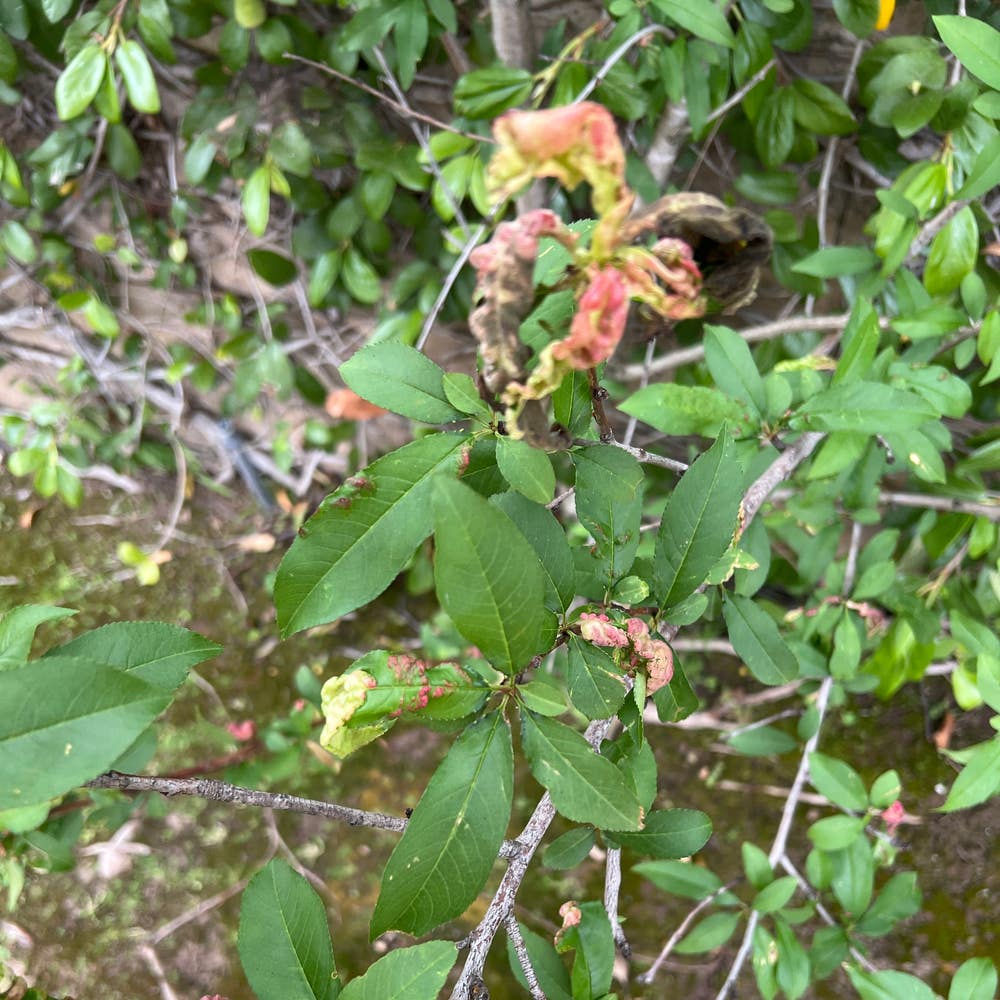
Recognizing humidity stress in nectarines is crucial for timely intervention. Look for signs such as wilting leaves, leaf drop, or fruit that fails to develop properly.
Additionally, if you notice mold or mildew forming on the leaves, it’s a clear indicator of excessive humidity. Early detection allows you to adjust your care practices before the stress affects your plants significantly.
🔧 Adjusting Care Based on Humidity Readings
Once you have your humidity readings, it’s essential to adjust your care accordingly. If humidity levels are too high, consider increasing air circulation or using a dehumidifier.
Conversely, if the humidity is too low, you might need to mist your plants more frequently or use a humidifier. Regular monitoring and proactive adjustments will help maintain the optimal environment for your nectarines, ensuring they thrive.
By keeping a close eye on humidity levels and responding to changes, you can foster a healthy growing environment for your nectarines. This attention to detail will pay off in the form of robust plants and delicious fruit.
⚠️ Safety First
This content is for general information and may contain errors, omissions, or outdated details. It is not medical, veterinary advice, or an endorsement of therapeutic claims.
Always consult a qualified healthcare professional before using any plant as food, medicine, or supplement.
Never eat any plant (or feed one to pets) without confirming its identity with at least two trusted sources.
If you suspect poisoning, call Poison Control (800) 222-1222, the Pet Poison Helpline (800) 213-6680, or your local emergency service immediately.
Spotted an error? Please report it here.
Keep your nectarines thriving 🍑 by using Greg's personalized humidity tracking and care reminders to ensure a bountiful harvest!