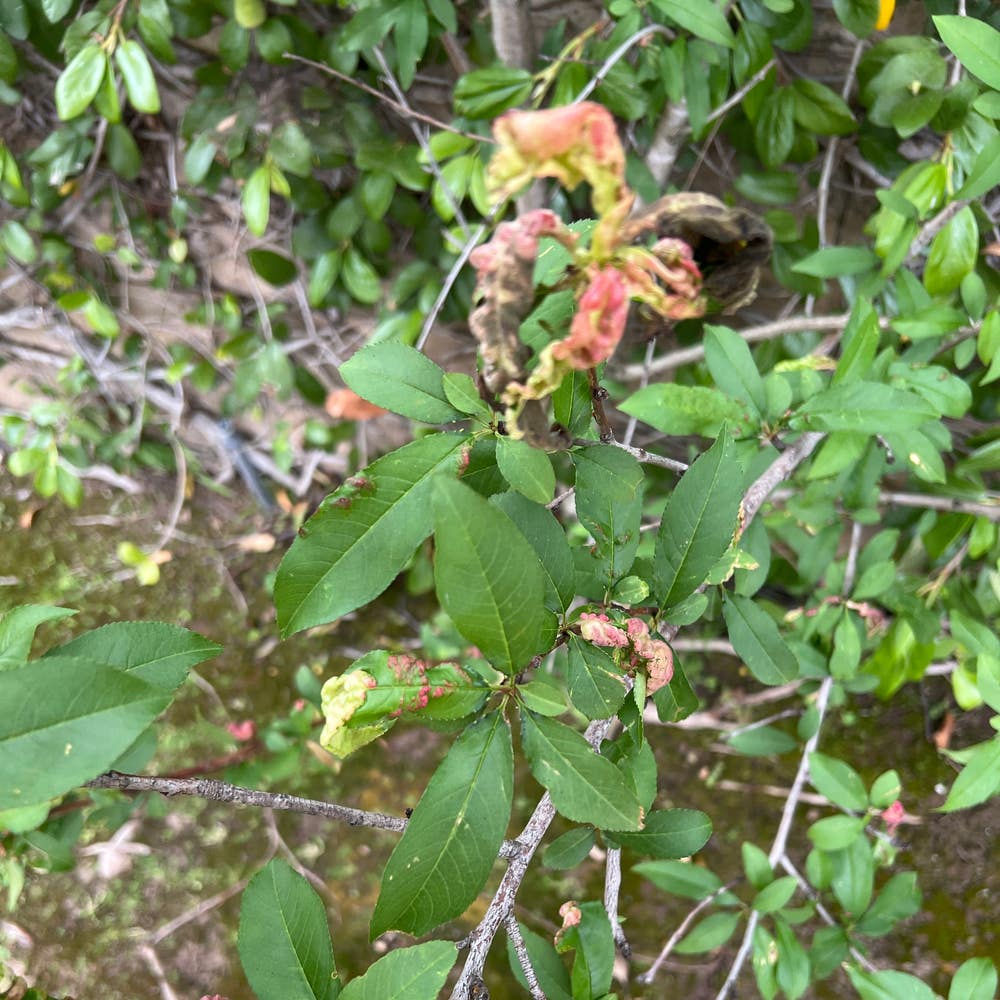
9 Outdoor Care Tips for Peach 🍑
Prunus persica
By the Greg Editorial Team
Oct 04, 2024•5 min read
This article was created with the help of AI so we can cover more plants for you. May contain errors. See one? Report it here.
- 🌞 Peach trees need 6-8 hours of sunlight daily for optimal growth and fruiting.
- 💧 Consistent moisture is key; aim for 1-2 inches of water weekly.
- 🌱 Well-drained, loamy soil with pH 6.0-7.0 prevents root rot and supports growth.
Sunlight and Watering Needs
🌞 Sunlight Requirements
Peach trees thrive in full sun, requiring 6-8 hours of direct sunlight daily. This exposure is crucial for photosynthesis, which directly impacts fruit production and overall tree health.
💧 Watering Techniques
Maintaining consistent moisture is key, with peach trees needing about 1-2 inches of water per week. Deep watering encourages robust root growth, and effective techniques include drip irrigation, soaker hoses, and hand watering.
🚨 Signs of Watering Issues
Overwatering can lead to yellowing leaves and root rot, signaling that your tree is drowning. Conversely, underwatering results in wilting leaves and dry soil, indicating your peach tree is thirsty and needs immediate attention.
Understanding these fundamental needs will set your peach tree on the path to thriving. Next, let’s explore the ideal soil conditions and fertilization practices to further enhance your tree's growth.
Soil Preferences and Fertilization
Ideal Soil Conditions 🌱
Peach trees thrive in well-drained, loamy soil with a pH between 6.0 and 7.0. This balance is crucial; good drainage prevents root rot, ensuring your tree remains healthy and productive.
Fertilization Schedule 📅
Timing is key for fertilization. Apply a balanced NPK fertilizer, like 10-10-10, or opt for organic options in early spring, just before new growth begins.
Signs of Nutrient Deficiency ⚠️
Watch for yellowing leaves, which often indicate a nitrogen deficiency. If you notice poor fruit development, it could be a sign of insufficient potassium or phosphorus.
Understanding these soil and fertilization essentials will set your peach tree up for success. Next, let’s explore planting options and protection strategies to keep your tree thriving.
Planting Options and Protection Strategies
🌱 Container vs. Ground Planting
When deciding between container and ground planting for your peach trees, consider the unique benefits and drawbacks of each option.
Benefits and Drawbacks
Container Planting
Container planting offers mobility and is perfect for limited spaces. However, it can restrict root growth and requires more frequent watering.
Ground Planting
Planting in the ground allows for expansive root systems and better moisture retention. On the downside, it limits mobility and may require extensive soil preparation.
☔️ Weather Protection Techniques
Protecting your peach trees from extreme weather is crucial for their health and productivity.
Frost Protection
To shield your trees from frost, use row covers or frost blankets. These simple tools can make a significant difference during unexpected cold snaps.
Sunburn Prevention
During scorching heat, providing shade can prevent sunburn on your peach trees. Consider using shade cloth or strategically placing taller plants nearby.
🐛 Common Outdoor Pests and Control Methods
Keeping an eye on pests is vital for maintaining healthy peach trees.
Aphids
Aphids are small, sap-sucking insects that can weaken your trees. Look for curled leaves or sticky residue; control them with insecticidal soap or neem oil.
Peach Tree Borers
Peach tree borers are notorious for damaging the trunk and roots. Signs include sawdust-like frass and oozing sap. To manage them, apply a protective barrier around the base of the tree and monitor regularly.
By understanding your planting options and implementing effective protection strategies, you can cultivate thriving peach trees. Next, we’ll explore seasonal care tips to keep your trees healthy throughout the year.
Seasonal Care
🌸 Spring to Winter Care Tips
Caring for your peach tree throughout the seasons is essential for a bountiful harvest. Each season brings specific tasks that help your tree thrive.
🌱 Spring: Pruning and Fertilization
In spring, focus on pruning your peach tree to encourage healthy growth. Remove any dead or crossing branches to improve air circulation and light penetration.
Fertilization is also crucial during this time. Apply a balanced fertilizer to provide the nutrients your tree needs for robust growth.
☀️ Summer: Regular Watering and Pest Control
Summer demands consistent watering to keep your peach tree hydrated. Aim for deep watering sessions to promote strong root development.
Pest control is equally important. Regularly check for pests like aphids and take action promptly to protect your fruit.
🍂 Fall: Harvesting and Mulching
As fall arrives, it’s time to enjoy the fruits of your labor. Harvest your peaches when they’re ripe, and don’t forget to mulch around the base of the tree.
Mulching helps retain moisture and suppress weeds, setting your tree up for success in the coming months.
❄️ Winter: Late Winter Pruning and Wrapping Trunks
In winter, focus on late winter pruning to shape your tree for the next growing season. This is also the time to wrap the trunks to protect them from harsh winter conditions.
By following these seasonal care tips, you’ll ensure your peach tree remains healthy and productive year after year.
Next, let’s explore the importance of soil preferences and fertilization for your peach tree’s growth.
Climate Considerations and Common Challenges
Choosing the Right Peach Variety 🍑
Selecting the right peach variety is crucial for successful growth. Look for varieties that thrive in your local climate, such as 'Elberta' for warmer regions or 'Contender' for colder areas.
Adapting Care Practices 🌦️
Adjusting your care practices based on climate can make a significant difference. For instance, increase watering during hot spells and reduce fertilization in cooler months to match the plant's needs.
Addressing Common Pests and Diseases 🐛
Regular monitoring is key to keeping pests and diseases at bay. Implement early intervention strategies, such as using insecticidal soap for aphids or traps for peach tree borers, to protect your trees.
Troubleshooting Growth Issues 🧐
Identifying signs of nutrient deficiencies or environmental stress is essential for healthy peach trees. Look for yellowing leaves or stunted growth, and consider pruning techniques to promote better airflow and sunlight exposure.
By staying vigilant and adapting your care routine, you can ensure your peach trees thrive despite climate challenges. Next, let’s explore seasonal care tips to keep your trees healthy year-round.
⚠️ Safety First
This content is for general information and may contain errors, omissions, or outdated details. It is not medical, veterinary advice, or an endorsement of therapeutic claims.
Always consult a qualified healthcare professional before using any plant as food, medicine, or supplement.
Never eat any plant (or feed one to pets) without confirming its identity with at least two trusted sources.
If you suspect poisoning, call Poison Control (800) 222-1222, the Pet Poison Helpline (800) 213-6680, or your local emergency service immediately.
Spotted an error? Please report it here.
Nurture your peach trees for a bountiful harvest 🍑 by using Greg's tailored watering reminders and pest alerts to keep them thriving all season long!