Best Tips for Droopy Leaves on Peach 🍑
Prunus persica
By the Greg Editorial Team
Oct 04, 2024•5 min read
This article was created with the help of AI so we can cover more plants for you. May contain errors. See one? Report it here.
- 🌡️💧 Droopy leaves result from environmental stress, like temperature extremes and low humidity.
- 🚰 Overwatering or underwatering causes droopy leaves; check soil moisture regularly.
- 🐛🌱 Pests and nutrient deficiencies can sap health; inspect and fertilize accordingly.
Causes of Droopy Leaves
🌪️ Environmental Stress Factors
Droopy leaves on peach trees can often be traced back to environmental stress. Temperature extremes, whether high heat or unexpected frost, can put significant strain on these trees.
Low humidity is another culprit, leading to increased transpiration and drooping. Additionally, strong winds can physically damage leaves and cause moisture loss, exacerbating the problem.
💧 Watering Issues
Overwatering
Overwatering is a common issue that can lead to droopy leaves. Symptoms include yellowing leaves, soggy soil, and root rot, which often stem from poor drainage, excessive rainfall, or improper irrigation practices.
Underwatering
On the flip side, underwatering can also cause drooping. Signs include wilting leaves, dry soil, and leaf drop, typically resulting from infrequent watering or drought conditions.
🥦 Nutrient Deficiencies
Nutrient deficiencies can significantly impact leaf health. A nitrogen deficiency often leads to pale leaves and stunted growth, while phosphorus deficiency causes dark green leaves with purple hues.
Potassium deficiency manifests as leaf curling and browning edges, indicating that your peach tree may need a nutrient boost.
🐛 Pest Infestations
Pests can wreak havoc on peach trees, leading to droopy leaves. Common offenders include aphids, spider mites, and scale insects.
Symptoms of infestation include sticky residue, webbing, and visible insects on leaves. These pests sap nutrients and moisture, contributing to the drooping.
🦠 Diseases Affecting Leaves
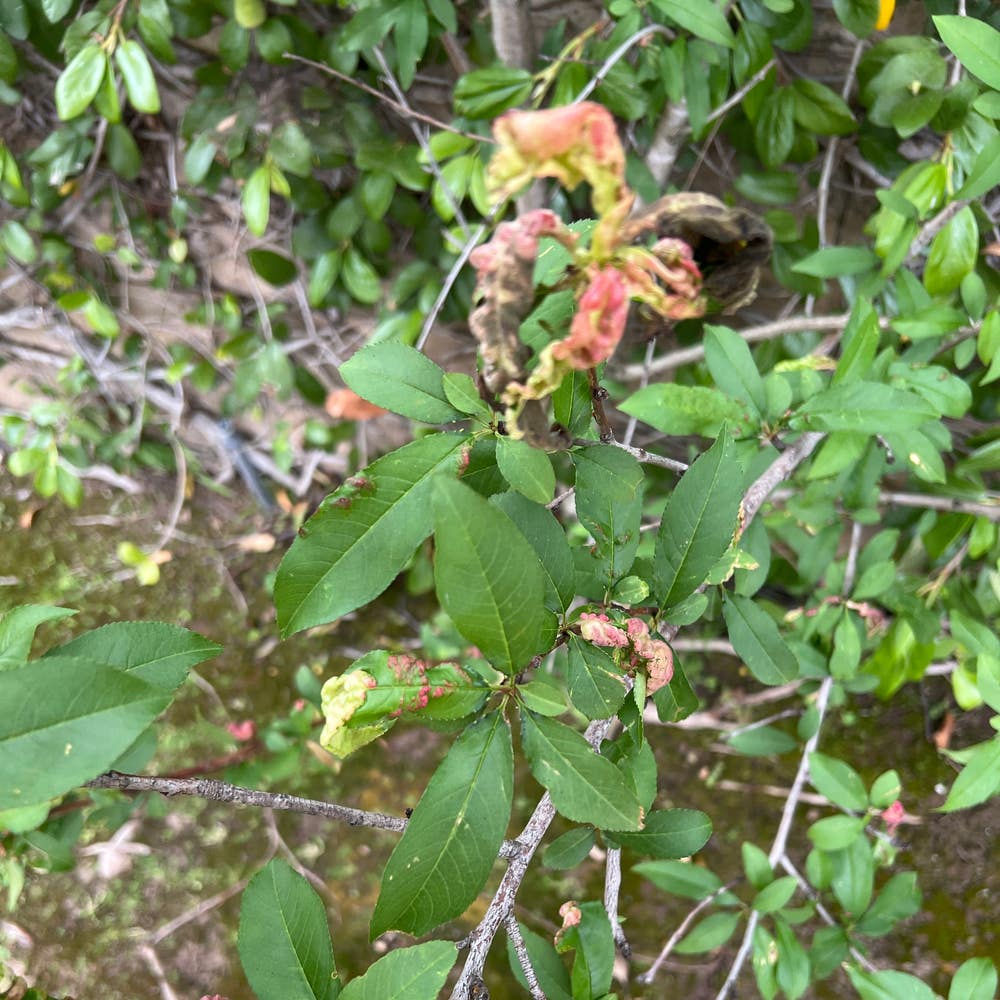
Diseases can also play a role in droopy leaves. Peach leaf curl is characterized by distorted, curled leaves and drooping.
Fungal infections can lead to wilting and discoloration, while bacterial infections may cause leaf spots and an overall decline in tree health. Addressing these issues promptly is crucial for maintaining healthy peach trees.
Understanding these causes is the first step toward effective solutions for droopy leaves. Next, we'll explore how to diagnose these symptoms accurately.
Diagnosing Droopy Leaves
🌿 Identifying Symptoms
To diagnose droopy leaves on your peach tree, start with a visual inspection. Look for signs like discoloration, curling, or wilting that indicate stress.
Next, assess the leaf texture. Soft or brittle leaves can signal underlying issues that need attention.
💧 Assessing Soil Moisture
Soil moisture is crucial for healthy peach trees. Use a moisture meter or your finger to check the soil; it should feel moist but not waterlogged.
Ideal moisture levels help prevent drooping. Too much or too little water can lead to significant stress for your tree.
🐛 Checking for Pests
Pests can wreak havoc on your peach tree's health. Conduct a visual inspection for pests on leaves and stems, as they can contribute to drooping.
Consider using sticky traps to monitor pest populations. This proactive approach can help you catch infestations early.
🌱 Evaluating Nutrient Levels
Nutrient deficiencies can also cause droopy leaves. Conduct a soil test to assess nutrient levels and identify any deficiencies.
Additionally, consider leaf analysis to get a clearer picture of your tree's health. This information will guide your fertilization efforts effectively.
By diagnosing these key areas, you can take the necessary steps to revive your peach tree. Next, let’s explore effective solutions for droopy leaves.
Solutions for Droopy Leaves
🌊 Adjusting Watering Practices
Establishing a consistent watering schedule is crucial for peach trees. Water deeply and less frequently to encourage strong root growth.
Using mulch can be a game-changer. It helps retain soil moisture and regulates temperature, creating a more stable environment for your trees.
🌱 Fertilization Techniques
Choosing balanced fertilizers is essential for healthy peach trees. Apply NPK fertilizers based on soil test results to ensure your trees receive the nutrients they need.
Timing is everything. Fertilize in early spring before new growth begins to give your trees a strong start.
🐞 Pest Control Methods
Consider organic options for pest control. Introducing beneficial insects like ladybugs can naturally keep pest populations in check.
For severe infestations, chemical treatments may be necessary. Insecticidal soap or neem oil can effectively target pests without harming your trees.
🦠 Disease Management Strategies
Preventative measures are key to disease management. Apply preventative fungicides during early spring to ward off fungal diseases before they take hold.
If you notice any infected leaves, act quickly. Removing and disposing of these leaves can significantly reduce the spread of disease.
By implementing these solutions, you can help your peach trees thrive and prevent droopy leaves. Next, let’s explore some preventative measures to keep your trees healthy year-round.
Preventative Measures
Best Practices for Tree Care 🌳
Regular pruning is essential for maintaining the shape of your peach tree and enhancing air circulation. This simple practice helps prevent diseases and promotes healthy growth.
Proper spacing between trees is equally important. Ensuring adequate distance allows for better airflow, reducing the risk of fungal infections and other issues.
Seasonal Care Tips 🌸
In spring, focus on fertilizing your peach trees and keeping an eye out for pests. Early intervention can save your trees from significant damage.
During summer, consistent watering is key. Regularly check for signs of stress, such as drooping leaves or discoloration, to address issues promptly.
As fall approaches, prepare your trees for winter. Mulching and pruning during this season can protect them from harsh conditions ahead.
Soil Health Maintenance 🌱
Amending your soil with compost can significantly improve its structure and nutrient content. Healthy soil is the foundation for vibrant peach trees.
Conducting soil tests every few years is crucial. This practice helps you monitor nutrient levels and make informed decisions about amendments.
Monitoring for Early Signs of Stress 🔍
Regular inspections of leaves and branches can help you catch early signs of droop. Being proactive can make all the difference in maintaining tree health.
Keeping a log of your watering, fertilization, and pest control efforts is also beneficial. This record will help you identify patterns and adjust your care routine as needed.
By implementing these preventative measures, you can ensure your peach trees thrive and produce luscious fruit. Next, let’s explore how to diagnose droopy leaves effectively.
⚠️ Safety First
This content is for general information and may contain errors, omissions, or outdated details. It is not medical, veterinary advice, or an endorsement of therapeutic claims.
Always consult a qualified healthcare professional before using any plant as food, medicine, or supplement.
Never eat any plant (or feed one to pets) without confirming its identity with at least two trusted sources.
If you suspect poisoning, call Poison Control (800) 222-1222, the Pet Poison Helpline (800) 213-6680, or your local emergency service immediately.
Spotted an error? Please report it here.
Keep your peach trees thriving and vibrant 🍑 with Greg's personalized watering reminders and nutrient tracking to prevent droopy leaves and ensure a bountiful harvest!