Ultimate Guide to Temperature for Peach 🍑
Prunus persica
By the Greg Editorial Team
Oct 04, 2024•5 min read
This article was created with the help of AI so we can cover more plants for you. May contain errors. See one? Report it here.
- 🌡️ Temperature stress causes leaf drop and poor fruit quality in peach trees.
- ❄️🔥 Ideal temperatures for blooming and fruit set are crucial for peach health.
- 🌳 Monitor local climate and use protective measures to ensure optimal peach growth.
Temperature Stress in Peach Trees
Symptoms of Temperature Stress 🌡️
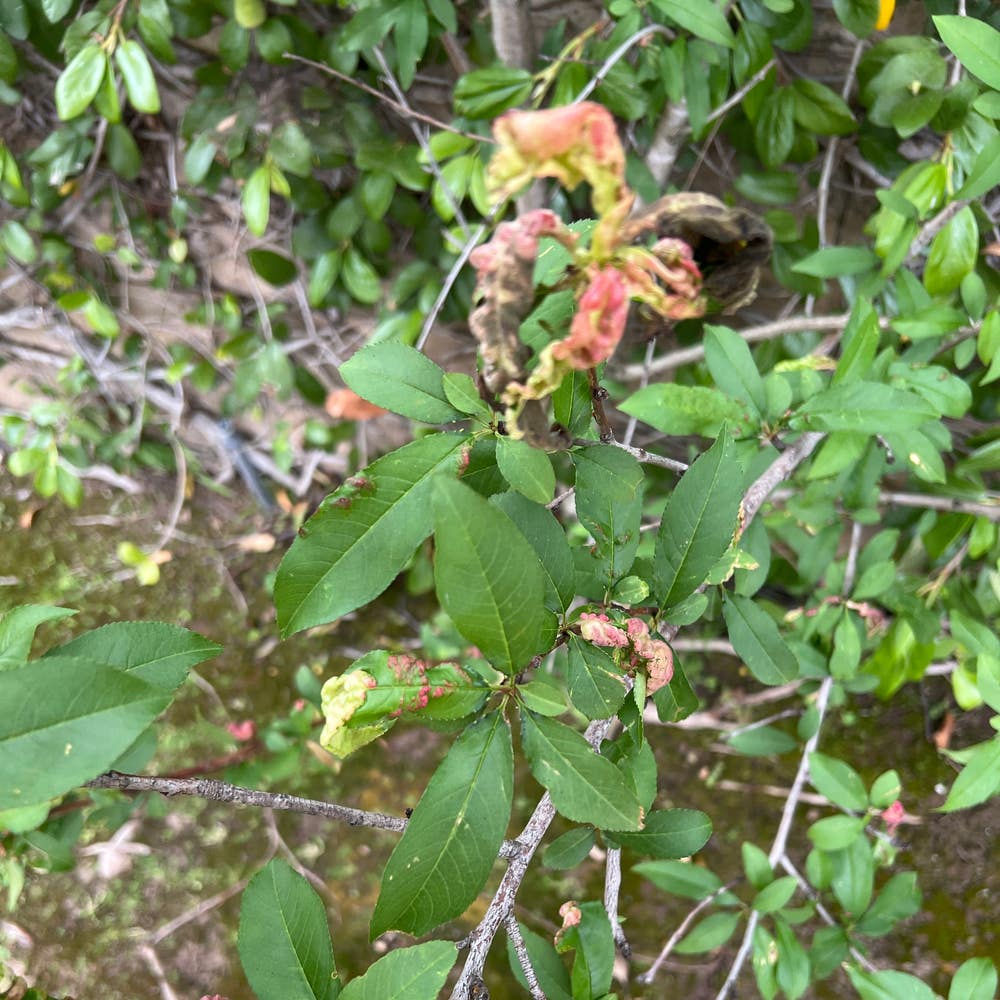
Temperature stress can manifest in various ways, affecting the health and productivity of peach trees. Cold stress often shows up as leaf drop, stunted growth, and dieback, while heat stress presents as leaf scorch, sunburn, and reduced fruit set.
Visual indicators are crucial for early detection. Look for yellowing leaves, wilting, and abnormal leaf shapes to assess the tree's condition.
Causes of Temperature Stress ❄️🔥
Understanding the causes of temperature stress is essential for effective management. Cold snaps can occur suddenly, dropping temperatures during critical growth stages and jeopardizing the tree's health.
On the flip side, heat waves bring prolonged high temperatures above 95°F (35°C), which can be detrimental. Rapid temperature changes can also disrupt tree physiology, making it vital to monitor conditions closely.
Impact of Temperature Stress on Fruit Quality 🍑
Temperature stress doesn't just affect the tree; it significantly impacts fruit quality. Cold stress can hinder fruit set and development, leading to fewer peaches.
Conversely, heat stress often results in smaller, less sweet fruit, diminishing the overall harvest quality. Long-term exposure to temperature stress can compromise tree health and productivity, making it crucial to address these issues proactively.
As we explore seasonal temperature considerations, understanding these stress factors will help you cultivate healthier peach trees.
Seasonal Temperature Considerations
🌸 Spring Temperature Needs for Blooming
Spring is a critical time for peach trees, with ideal temperatures ranging from 60°F to 75°F (15°C to 24°C) for optimal blooming. These temperatures encourage healthy flower development, setting the stage for a fruitful season.
However, late frosts can pose a significant risk during flowering. Symptoms of frost damage include wilting flowers and blackened buds. To prevent this, consider using protective measures like frost cloths and monitoring local forecasts closely.
☀️ Summer Temperature Effects on Fruit Set
As summer rolls in, peach trees thrive in temperatures between 70°F and 90°F (21°C to 32°C) for successful fruit set. Extreme heat can disrupt pollination, leading to poor fruit development and reduced yields.
To manage heat stress, implement strategies such as providing shade with cloths or strategic planting. Consistent watering is also crucial to maintain soil moisture, ensuring your trees remain healthy during peak summer months.
🍂 Fall Temperature Requirements for Ripening
In the fall, temperatures between 65°F and 75°F (18°C to 24°C) are ideal for fruit ripening. These conditions promote sugar accumulation, enhancing the flavor and sweetness of the peaches.
Timing your harvest is essential and should be based on temperature conditions. Picking fruit at the right moment ensures you enjoy the best quality and taste.
Understanding seasonal temperature needs is vital for peach cultivation. By monitoring and managing these conditions, you can significantly enhance the health and productivity of your peach trees. Next, let’s explore the geographic and climate considerations that impact peach growth.
Geographic and Climate Considerations
🌍 Suitable Climate Zones for Peach Cultivation
Peach trees thrive in USDA hardiness zones 5 to 9. Selecting varieties that match your local climate is crucial for successful growth and fruit production.
Different regions have unique temperature tolerances, so understanding these adaptations can make all the difference. Choosing the right variety ensures your peach trees can withstand local conditions.
🌡️ Regional Temperature Variations and Their Impact
Temperature variations significantly influence peach growth and fruit quality. For instance, regions with consistent warmth can produce sweeter, more robust fruit.
Successful peach cultivation can be seen in areas like California and Georgia, where the climate supports optimal growth. Local climate data is invaluable for growers, helping them make informed decisions about planting and care.
❄️ Adaptation of Different Peach Varieties to Temperature
Peach varieties can be broadly categorized into heat-tolerant and cold-tolerant types. Understanding these distinctions helps growers select the best options for their specific climates.
For warmer climates, varieties like 'Florida King' excel, while 'Redhaven' performs well in cooler areas. Choosing the right variety based on local temperature conditions is essential for maximizing yield and fruit quality.
With the right knowledge and selection, you can cultivate thriving peach trees that produce delicious fruit year after year. Next, we’ll explore effective strategies for mitigating temperature stress in peach trees.
Mitigating Temperature Stress
❄️ Techniques to Protect Peach Trees from Cold
Cold snaps can be detrimental to peach trees, but protective measures can make a significant difference. Using frost cloths and row covers during these chilly periods helps insulate the trees and maintain warmth.
Timing is crucial when applying these protective measures. It's best to cover the trees before temperatures drop and remove the coverings once the risk of frost has passed.
Additionally, site selection plays a vital role in safeguarding your trees. Planting in sheltered areas can shield them from harsh winds and extreme cold, enhancing their resilience.
☀️ Strategies to Manage Heat Stress in Peach Trees
Heat stress can also pose challenges for peach trees, especially during scorching summers. Providing shade is an effective strategy; using shade cloth or strategically planting taller crops nearby can help protect your trees from direct sunlight.
Consistent watering is essential for maintaining soil moisture. This not only supports the trees during hot spells but also promotes healthy growth and fruit development.
Improving air circulation around the trees can further mitigate heat stress. Techniques such as proper spacing and pruning can enhance airflow, helping to keep the trees cool.
🌱 Use of Mulch and Other Materials to Regulate Soil Temperature
Organic mulch is a fantastic ally in regulating soil temperature and retaining moisture. It acts as a barrier, keeping the soil cooler in the summer and warmer in the winter.
Recommended materials for mulch include straw, wood chips, and grass clippings. Each of these options provides excellent insulation and moisture retention.
When applying mulch, aim for a depth of 2 to 4 inches, ensuring even coverage around the base of the trees. This simple technique can significantly enhance your peach trees' resilience against temperature fluctuations.
With these strategies in place, you can help your peach trees thrive despite temperature stress. Next, let’s explore seasonal temperature considerations that further influence peach cultivation.
⚠️ Safety First
This content is for general information and may contain errors, omissions, or outdated details. It is not medical, veterinary advice, or an endorsement of therapeutic claims.
Always consult a qualified healthcare professional before using any plant as food, medicine, or supplement.
Never eat any plant (or feed one to pets) without confirming its identity with at least two trusted sources.
If you suspect poisoning, call Poison Control (800) 222-1222, the Pet Poison Helpline (800) 213-6680, or your local emergency service immediately.
Spotted an error? Please report it here.
Maximize your peach harvest by mastering temperature management with Greg's tailored care tips and reminders, ensuring your trees thrive in their ideal climate! 🍑