5 Secrets to Thriving Outdoor Nectarine 🍑
Prunus persica
By the Greg Editorial Team
Nov 22, 2024•6 min read
This article was created with the help of AI so we can cover more plants for you. May contain errors. See one? Report it here.
- ☀️ Nectarines need 6-8 hours of sunlight daily for optimal growth and fruiting.
- 🌱 Well-drained sandy loam soil with pH 6.0-7.0 is ideal for thriving nectarines.
- 🐛 Monitor pests and diseases regularly to ensure healthy nectarines and prevent crop loss.
Sunlight and Location
Ideal Sunlight Requirements 🌞
To thrive, outdoor nectarines need full sun exposure, ideally receiving 6-8 hours of direct sunlight each day. This sunlight is crucial for photosynthesis, which fuels fruit development and overall tree health.
Best Locations for Planting 🏡
When selecting a planting site, avoid areas shaded by buildings or trees. Instead, opt for locations with good air circulation to minimize disease risks, and consider southern-facing slopes to maximize warmth and sunlight exposure.
Finding the right spot can make all the difference in your nectarines' growth and fruit yield. With the proper sunlight and location, you're setting the stage for a bountiful harvest.
As we move forward, let's explore the essential soil and watering needs for your thriving outdoor nectarines.
Soil and Watering Needs
🌱 Soil Preferences
To thrive, outdoor nectarines require well-drained, sandy loam soil. This type of soil allows for optimal nutrient uptake, with a pH level between 6.0 and 7.0 being ideal.
Proper drainage is crucial to prevent root rot, which can devastate your tree. Always check your soil's drainage capabilities before planting.
💧 Watering Requirements and Techniques
Watering your nectarines is essential, especially during dry spells. Aim for a weekly watering schedule, adjusting based on rainfall to keep the soil consistently moist but not soggy.
For effective watering, consider deep watering techniques that encourage deep root growth. Utilizing drip irrigation or soaker hoses can enhance efficiency, ensuring your trees receive the moisture they need without waste.
By focusing on soil quality and proper watering techniques, you set the stage for a healthy and fruitful nectarine tree. Next, let's explore the vital aspects of fertilization and nutrient needs to keep your tree thriving.
Fertilization and Nutrient Needs
🌱 Types of Fertilizers
To keep your outdoor nectarine thriving, selecting the right fertilizer is crucial. Balanced fertilizers with NPK ratios of 10-10-10 or 12-12-12 provide essential nutrients for healthy growth.
For those leaning towards organic gardening, compost or well-rotted manure are excellent choices. They enrich the soil naturally, promoting a vibrant ecosystem around your plants.
📅 Fertilization Schedule and Techniques
Timing is everything when it comes to fertilizing your nectarine tree. Apply fertilizer in early spring, just before new growth begins, to give your tree a robust start.
After fruit set, an additional feeding can help support ongoing development. Use the broadcast method for granular fertilizers, ensuring even distribution, or opt for liquid fertilizers for a quick nutrient boost.
By following these fertilization guidelines, you’ll set your nectarine up for success. Next, let’s explore the best planting options, whether in containers or directly in the ground.
Planting Options: Container vs Ground
🌱 Benefits of Container Planting
Container planting offers remarkable mobility, allowing you to easily relocate your nectarine tree for optimal sunlight or protection from harsh weather. Additionally, it gives you control over soil quality and drainage, ensuring your tree thrives in the best conditions possible.
⚠️ Drawbacks of Container Planting
However, container planting comes with its challenges. The limited root space can restrict growth, potentially leading to smaller trees and fewer fruits. Moreover, containers tend to dry out faster, requiring increased watering frequency to keep your tree healthy.
🌳 Benefits of Ground Planting
On the other hand, ground planting provides more space for root development, which can lead to healthier and more robust trees. Ground soil also offers better moisture retention, reducing the need for frequent watering.
🚫 Drawbacks of Ground Planting
Yet, ground planting isn't without its downsides. You lose the flexibility to relocate the tree, which can be a disadvantage if sunlight conditions change. Additionally, there’s a risk of soil-borne diseases that can affect your tree's health.
🤔 Choosing the Best Option
When deciding between container and ground planting, consider several factors. Assess your available space and sunlight; some areas may be better suited for one option over the other.
Also, take into account your climate zone and soil conditions. Finally, reflect on your personal gardening preferences and maintenance capabilities. This thoughtful approach will help you choose the best planting option for your outdoor nectarine tree.
As you weigh these options, remember that each choice has its unique benefits and challenges. Understanding these will set you on the path to successfully nurturing your nectarine tree. Next, let’s explore how to protect your tree from weather, pests, and diseases.
Protection from Weather, Pests, and Diseases
🌧️ Strategies for Weather Protection
Protecting your outdoor nectarine tree from unpredictable weather is crucial for its health. Using frost cloths during late spring frosts can shield delicate blossoms from cold damage.
Mulching is another effective strategy. It helps regulate soil temperature and moisture, creating a stable environment for root development.
🐜 Common Outdoor Pests and Control Methods
Aphids
Aphids can be a nuisance for your nectarine tree. Look for signs like curling leaves and sticky residue on the foliage.
To control aphids, consider using insecticidal soap or introducing beneficial insects like ladybugs, which feast on these pests.
Peach Tree Borers
Peach tree borers pose a significant threat to the health of your tree. Signs of infestation include sawdust-like frass at the base of the tree.
To combat these pests, implement trunk banding and apply insecticides during the larval stage to prevent further damage.
🦠 Diseases and Prevention Strategies
Brown Rot
Brown rot can devastate your harvest if not addressed. Symptoms include rotting fruit and brown lesions on leaves.
Prevent this disease by ensuring proper spacing for air circulation and promptly removing any infected fruit to minimize spread.
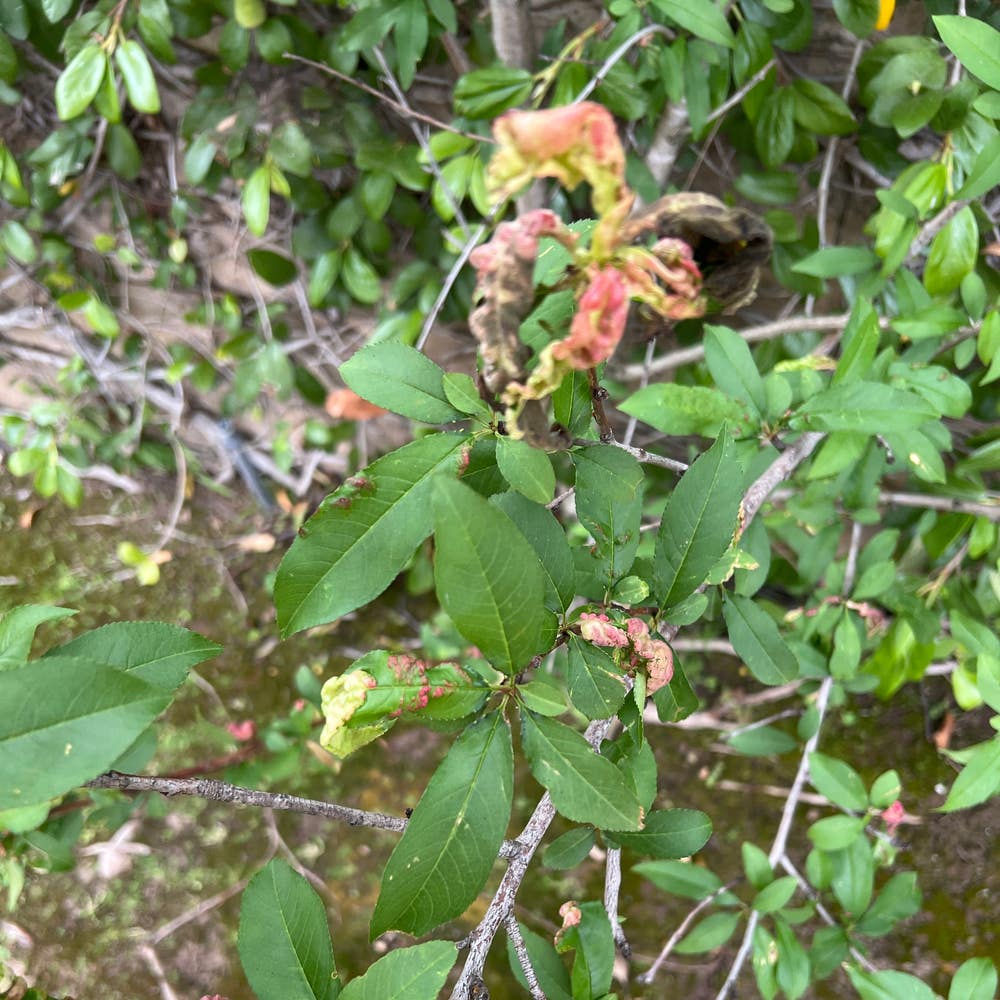
Leaf Curl
Leaf curl is another concern for nectarine trees. Symptoms include distorted leaves that curl and turn red, indicating stress.
To prevent leaf curl, apply fungicides in early spring before bud break, helping to protect your tree from this common ailment.
By implementing these protective measures, you can help your outdoor nectarine thrive despite the challenges posed by weather, pests, and diseases. Next, let’s explore the seasonal care and climate considerations essential for maintaining a healthy tree throughout the year.
Seasonal Care and Climate Considerations
🌸 Seasonal Changes and Their Impact
Spring is a crucial time for your outdoor nectarine tree. It's the perfect moment for fertilization and pruning to encourage healthy growth and fruit production.
As summer rolls in, focus on regular watering and keeping an eye out for pests. This proactive approach ensures your tree remains healthy and productive.
In the fall, it's all about harvesting the fruits of your labor and preparing your tree for winter dormancy. Proper preparation now sets the stage for a successful growing season next year.
🌍 Special Considerations for Different Climate Zones
Understanding your climate zone is essential for nurturing your nectarine tree. For those in USDA hardiness zone 5, winter protection is a must; consider planting cold-hardy varieties to withstand the chill.
If you're in zone 9, enjoy the longer growing season but stay vigilant about pest management. The warmer climate can attract more pests, so keep your defenses up.
✂️ Pruning and Maintenance Tasks
Pruning is key to maintaining a healthy tree. In winter, focus on shaping the tree and removing any dead or diseased wood to promote vigorous growth.
During summer, thin out excess growth. This practice improves air circulation and allows more light to penetrate, which is vital for fruit development.
With these seasonal care tips, your outdoor nectarine tree will thrive, ensuring a bountiful harvest year after year. Next, let's explore how to protect your tree from weather, pests, and diseases.
⚠️ Safety First
This content is for general information and may contain errors, omissions, or outdated details. It is not medical, veterinary advice, or an endorsement of therapeutic claims.
Always consult a qualified healthcare professional before using any plant as food, medicine, or supplement.
Never eat any plant (or feed one to pets) without confirming its identity with at least two trusted sources.
If you suspect poisoning, call Poison Control (800) 222-1222, the Pet Poison Helpline (800) 213-6680, or your local emergency service immediately.
Spotted an error? Please report it here.
Grow juicy nectarines with ease 🍑 by using Greg's tailored watering reminders and expert tips to keep your trees thriving all season long!