🍑 Step-by-Step Guide to Treating Root Rot in Nectarine
Prunus persica
By the Greg Editorial Team
Nov 22, 2024•6 min read
This article was created with the help of AI so we can cover more plants for you. May contain errors. See one? Report it here.
- 🌱 Early signs of root rot include yellowing leaves and wilting; act quickly!
- 🔍 Inspect roots directly: healthy roots are firm and white, while rotting ones are brown.
- 🌿 Proper soil and drainage are vital to prevent root rot; sandy loam is ideal.
Identifying Root Rot Symptoms
Visual Signs of Root Rot 🌿
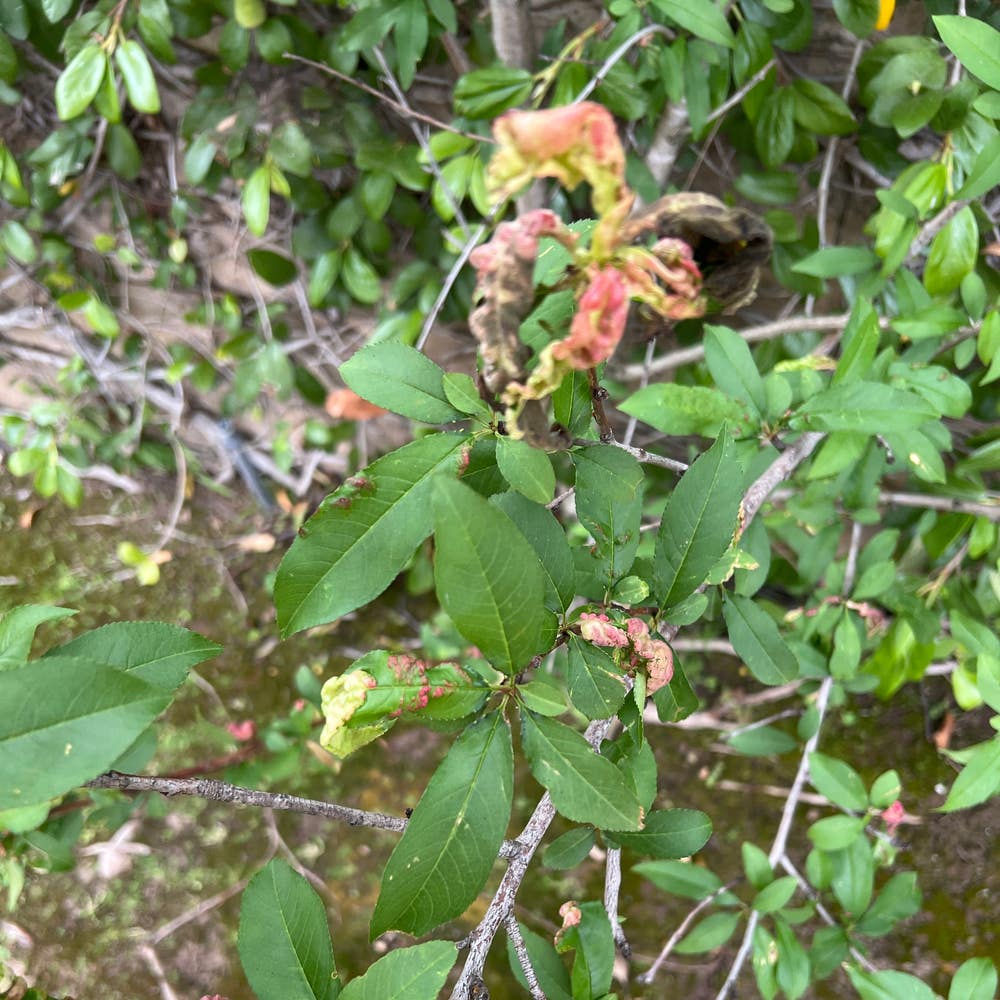
Recognizing root rot early can save your nectarine tree from severe damage. Look for yellowing leaves, which often signal nutrient deficiencies caused by root damage.
Another telltale sign is wilting, even when you’ve watered adequately. This indicates that the roots are struggling to absorb moisture effectively.
Lastly, watch for stunted growth. If your tree seems to be lagging behind in development, it could be a sign of overall decline in plant vigor.
Root Examination Techniques 🔍
To confirm root rot, you’ll need to inspect the roots directly. Start by safely removing the plant from the soil; gently loosen the soil around the roots to avoid unnecessary damage.
Once out, examine the roots closely. Healthy roots should be firm and white, while affected ones may appear brown or mushy, often emitting a foul smell.
Distinguishing Root Rot from Other Issues 🕵️♂️
It's crucial to differentiate root rot from other potential problems. For instance, leaf curl and nutrient deficiencies can mimic root rot symptoms but stem from different causes.
Additionally, pests can also lead to similar visual cues. Accurate diagnosis is essential for effective treatment, so take your time to assess the situation thoroughly.
Understanding these symptoms and techniques will empower you to take action swiftly, ensuring your nectarine tree has the best chance for recovery. Next, we’ll explore the step-by-step treatment for root rot.
Step-by-Step Treatment for Root Rot
Initial Assessment and Diagnosis 🌱
Inspect the plant: Start by examining your nectarine for visual symptoms of root rot. Look for yellowing leaves, wilting, or stunted growth, and perform a thorough root examination.
Determine the extent of root damage: Carefully assess how many roots are affected. This will help you understand the severity of the situation and guide your next steps.
Removing Affected Roots ✂️
Tools needed: Gather clean, sharp pruning shears. Having the right tools is essential for a successful removal process.
Steps to remove affected roots: Cut back to healthy tissue, ensuring no further damage occurs. Be cautious and methodical to avoid harming the remaining healthy roots.
Treatment Options 🧪
Fungicides
Recommended products: Look for fungicides specifically designed to combat root rot. Products containing ingredients like azoxystrobin or propiconazole can be effective.
Application methods: Apply fungicides according to the manufacturer's instructions. Ensure you cover the affected area thoroughly for the best results.
Natural Remedies 🌿
Homemade solutions: Consider using natural ingredients like cinnamon or hydrogen peroxide. These can help combat fungal infections without harsh chemicals.
Effectiveness and application methods: Apply these solutions directly to the affected roots. Monitor the plant's response to gauge effectiveness.
Replanting and Care Post-Treatment 🌼
Choosing the right time to replant: Wait until the plant shows signs of recovery before replanting. Timing is crucial to ensure the best chance of survival.
Soil preparation: Focus on ensuring proper drainage and nutrient content in the new soil. This will create a healthy environment for your nectarine to thrive.
Post-treatment care: Establish a watering schedule that avoids over-saturation. Monitor the plant closely for signs of recovery, adjusting care as needed.
By following these steps, you can effectively treat root rot in your nectarine and set the stage for a healthy recovery. Next, let’s explore how to prevent root rot from occurring in the first place.
Preventing Root Rot
Preventing root rot in nectarines is crucial for maintaining healthy plants. Here are some best practices to ensure your trees thrive.
🌊 Best Practices for Watering
Recommended watering frequency: To avoid overwatering, check the soil moisture before watering. Aim for a schedule that allows the top inch of soil to dry out between waterings.
Techniques for effective watering: Deep watering is more beneficial than surface watering. This encourages roots to grow deeper, making them more resilient to drought and disease.
🏞️ Importance of Soil Drainage
Characteristics of well-draining soil: Look for soil that retains some moisture but drains excess water quickly. A sandy loam is ideal, as it balances moisture retention and drainage.
Techniques to improve drainage: Amending your soil with organic matter or sand can enhance drainage. This helps prevent water from pooling around the roots, reducing the risk of rot.
🧑🌾 Choosing the Right Soil Mix
Ideal soil composition: A good soil mix for nectarines should consist of about 50% sand, 30% silt, and 20% clay. This ratio promotes optimal drainage while providing necessary nutrients.
Recommended commercial soil mixes: Look for products specifically designed for fruit trees. These mixes often contain the right balance of components to support healthy growth.
☔️ Seasonal Care Tips
Adjusting care during wet seasons: During rainy periods, reduce your watering frequency. Monitor the weather and adjust your schedule accordingly to prevent waterlogged soil.
Monitoring soil moisture: Use moisture meters or simple tests like the finger test to check soil moisture levels. This helps you make informed decisions about when to water, keeping your nectarines healthy.
By implementing these preventive measures, you can significantly reduce the risk of root rot in your nectarine trees. With proper care, your plants will flourish and produce delicious fruit for years to come.
Next, let’s explore how to monitor and maintain your nectarines for long-term health.
Monitoring and Maintenance
🌱 Regular Checks for Root Health
To keep your nectarine healthy, inspect the roots and soil conditions regularly. Aim for a check every few weeks, especially during the growing season.
Look for early indicators of root rot, such as unusual wilting or yellowing leaves. Catching these signs early can make a significant difference in treatment success.
👀 Signs of Recovery and Ongoing Care
As your plant begins to recover, watch for signs like new growth and improved leaf color. These are positive indicators that your nectarine is bouncing back.
Continue with proper care practices, adjusting fertilization and watering as needed. This ongoing attention will help ensure your tree thrives.
📈 Long-Term Strategies for Healthy Nectarines
Implementing crop rotation is crucial for reducing pathogen buildup in the soil. This practice helps maintain a healthy growing environment for your nectarine.
Regular soil testing is also essential. Monitoring pH and nutrient levels will keep your soil balanced and support optimal plant health.
By following these monitoring and maintenance strategies, you'll set your nectarine up for long-term success. Next, let's explore effective prevention methods to keep root rot at bay.
⚠️ Safety First
This content is for general information and may contain errors, omissions, or outdated details. It is not medical, veterinary advice, or an endorsement of therapeutic claims.
Always consult a qualified healthcare professional before using any plant as food, medicine, or supplement.
Never eat any plant (or feed one to pets) without confirming its identity with at least two trusted sources.
If you suspect poisoning, call Poison Control (800) 222-1222, the Pet Poison Helpline (800) 213-6680, or your local emergency service immediately.
Spotted an error? Please report it here.
Revive your nectarine tree and keep it root rot-free 🌱 with Greg's personalized care reminders and expert tips that empower you to take swift action for thriving plants!