🍑 8 Do's and Don'ts of Growing Nectarine
Prunus persica
By the Greg Editorial Team
Nov 22, 2024•7 min read
This article was created with the help of AI so we can cover more plants for you. May contain errors. See one? Report it here.
- 🌞 Nectarines need 6-8 hours of full sun for optimal growth and fruiting.
- ❄️ Protect blossoms from late spring frosts using row covers for better yields.
- 🌱 Well-drained sandy loam soil with pH 6.0-7.0 is ideal for healthy nectarines.
Choosing the Right Location
🌞 Sunlight Requirements
To grow healthy nectarines, ensure they receive full sun exposure for 6-8 hours daily. This sunlight is crucial for optimal fruit production and overall growth.
🌡️ Climate Considerations
Nectarines thrive in temperate regions characterized by warm summers and cold winters. They flourish in USDA hardiness zones 5-9, so be mindful of these zones when selecting your planting location.
Avoiding late spring frosts is essential, as these can damage young blossoms and significantly reduce your harvest. Consider using protective measures like row covers if your area is prone to unexpected frosts.
📏 Space Requirements
When planting multiple nectarine trees, maintain a minimum spacing of 15-20 feet between them. This spacing promotes air circulation, reducing the risk of disease and ensuring each tree has enough room to grow.
If you're considering container growing, choose a container that holds at least 20 gallons. This size provides adequate root space, allowing your nectarine tree to thrive even in a limited area.
With the right location secured, you're one step closer to enjoying a bountiful harvest of delicious nectarines. Next, let’s dive into the essential soil preparation needed for your trees.
Soil Preparation
Soil Type 🌱
Nectarines thrive in well-drained, sandy loam soil. This type of soil allows for proper drainage, which is crucial to prevent root rot and ensure healthy growth.
Soil pH ⚖️
The optimal pH range for nectarine trees is between 6.0 and 7.0. Testing your soil pH with a soil test kit can help you determine if adjustments are necessary for ideal growing conditions.
Soil Amendments 🌿
Incorporating organic matter, such as compost or well-rotted manure, enriches the soil and supports nutrient availability. It's essential to ensure adequate levels of nitrogen, phosphorus, and potassium for robust tree health and fruit production.
With the right soil preparation, your nectarine trees will have a solid foundation to grow and flourish. Next, let's explore the best planting techniques to set your trees up for success.
Planting Techniques
Timing for Planting 🌱
The best time to plant nectarines is during early spring or fall. Planting during dormancy helps the tree establish itself more effectively.
Planting Process 🌳
- Digging the hole: Make the hole twice the width and depth of the root ball.
- Positioning the tree: Ensure the graft union is above soil level for optimal growth.
- Backfilling: Use a mix of native soil and compost to provide nutrients.
- Watering: Water thoroughly after planting to eliminate air pockets around the roots.
Container Planting Techniques 🪴
When planting in containers, choose one that is at least 20 gallons to allow for adequate root space. Ensure the container has drainage holes to prevent waterlogging, which can harm the roots.
By following these planting techniques, you set your nectarine tree up for success. Next, let’s explore how to properly water and fertilize your new tree for optimal growth.
Watering and Fertilizing
💧 Watering Requirements
Proper watering is crucial for the health of your nectarine trees. During dry spells, aim for weekly watering to keep the soil consistently moist.
Before watering, check the top 2-3 inches of soil. If it feels dry, it’s time to water, ensuring your trees get the hydration they need.
Deep watering is essential as it encourages deep root growth. This helps your trees establish a strong foundation, making them more resilient to drought.
🌱 Fertilization Schedule and Techniques
Fertilization starts at planting. Apply a balanced fertilizer to give your young trees a nutrient boost right from the beginning.
As the growing season progresses, continue fertilizing monthly. This regular feeding supports healthy growth and fruit production.
Consider your options between organic and synthetic fertilizers. Organic choices can improve soil health over time, while synthetic options may provide quicker results.
With the right watering and fertilizing practices, your nectarine trees will thrive. This foundation sets the stage for healthy growth and bountiful harvests, leading us to the next essential aspect: pruning and maintenance.
Pruning and Maintenance
🌳 Pruning Methods for Healthy Growth
Pruning your nectarine tree is essential for its health and productivity. The best time to prune is late winter or early spring, just before new growth begins.
To promote a strong structure, focus on thinning out crowded branches and shaping the tree. This practice enhances air circulation, which is crucial for preventing diseases and maximizing fruit production.
🔧 Ongoing Care Routine
Regular inspections of your tree are vital. Check for signs of pests and diseases to catch any issues early.
Mulching is another key aspect of ongoing care. Apply organic mulch around the base to retain moisture and suppress weeds, creating a healthier environment for your tree.
As seasons change, adjust your care routines accordingly. This flexibility ensures your nectarine tree receives the attention it needs throughout the year.
With proper pruning and maintenance, your nectarine tree will thrive, setting the stage for a bountiful harvest. Next, let’s explore common challenges you might face while growing nectarines and how to tackle them effectively.
Common Challenges
🐛 Pests and Diseases
Growing nectarines can be a rewarding experience, but it comes with its share of challenges. Understanding common pests and diseases is crucial for maintaining healthy trees.
Common Pests
Aphids are one of the most notorious pests affecting nectarines. Look for signs like curled leaves or sticky residue on the foliage. Control methods include using insecticidal soap, which can effectively eliminate these pests without harming beneficial insects.
Other pests to watch for include peach tree borers and scale insects. Peach tree borers can damage the trunk and roots, while scale insects suck sap from the leaves. Regular inspections can help catch these pests early.
Common Diseases
Brown rot is a significant concern for nectarines, especially during humid conditions. Symptoms include brown, mushy spots on the fruit. Prevention strategies involve proper pruning to improve air circulation and maintaining cleanliness in the orchard.
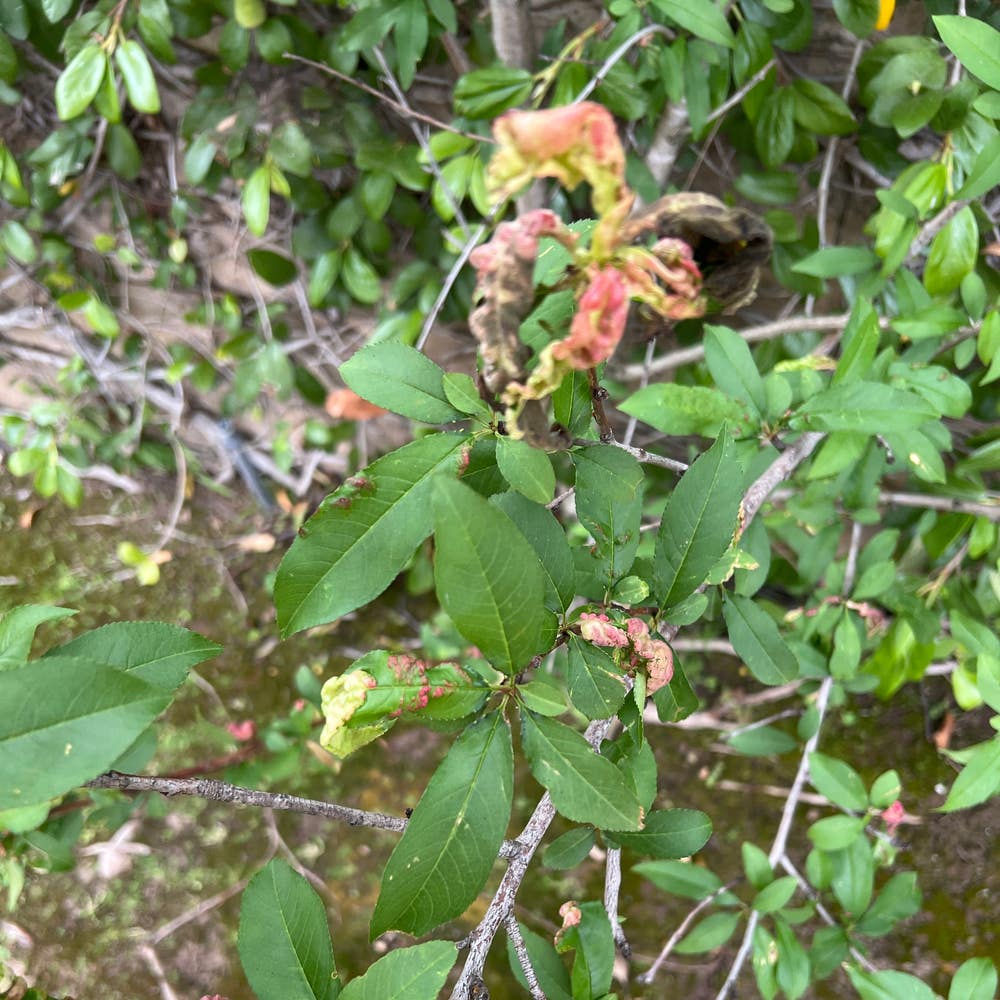
Leaf curl is another common disease that manifests as distorted leaves. Identifying this issue early is key; treatment options include applying fungicides and ensuring good cultural practices.
🛠️ Solutions for Common Problems
Integrated pest management (IPM) is an effective approach to tackle these challenges. This method combines cultural, biological, and chemical controls to create a balanced ecosystem in your garden.
Early detection and intervention are vital. Regularly check your trees for any signs of trouble, and act quickly to address issues before they escalate. By staying proactive, you can enjoy a bountiful harvest of nectarines without the stress of pests and diseases.
With these strategies in mind, you’re well-equipped to handle the common challenges of growing nectarines. Next, let’s explore the exciting process of harvesting and post-harvest care to ensure your fruits are at their best.
Harvesting and Post-Harvest Care
When to Harvest 🍑
Knowing when to harvest your nectarines is crucial for enjoying their full flavor. Look for signs of ripeness: the fruit will change color and feel slightly soft when gently squeezed.
Typically, nectarines are ready for harvest from late summer to early fall, but this can vary depending on the specific variety you’re growing. Keep an eye on your trees as the season progresses.
Post-Harvest Handling and Storage Tips 🥡
Once you've harvested your nectarines, handle them with care to avoid bruising. Gently place them in a container to maintain their quality.
For storage, keep your nectarines in a cool, dry place. If you want to extend their freshness, refrigeration is a great option. Generally, nectarines can last 1-2 weeks at room temperature, but they’ll stay fresh longer in the fridge.
Harvesting Tips ✂️
When it comes to picking nectarines, using clean, sharp tools is essential. This helps prevent damage to the fruit and ensures a clean cut.
For the best flavor, aim to harvest in the morning. This timing allows the fruit to reach peak sweetness, making your nectarines even more delicious.
With these tips, you’ll be well-equipped to enjoy your nectarines at their best. Next, let’s explore common challenges you might face while growing these delightful fruits.
⚠️ Safety First
This content is for general information and may contain errors, omissions, or outdated details. It is not medical, veterinary advice, or an endorsement of therapeutic claims.
Always consult a qualified healthcare professional before using any plant as food, medicine, or supplement.
Never eat any plant (or feed one to pets) without confirming its identity with at least two trusted sources.
If you suspect poisoning, call Poison Control (800) 222-1222, the Pet Poison Helpline (800) 213-6680, or your local emergency service immediately.
Spotted an error? Please report it here.
Grow juicy nectarines 🍑 effortlessly by using Greg's tailored watering reminders and soil pH tests to create the perfect environment for your trees!