How to Fix Leaves Falling Over on Your Nectarine 🍑
Prunus persica
By the Greg Editorial Team
Nov 22, 2024•7 min read
This article was created with the help of AI so we can cover more plants for you. May contain errors. See one? Report it here.
- 🌬️ Temperature extremes and strong winds cause leaves to droop and fall.
- 🌱 Nutrient deficiencies like nitrogen and potassium lead to yellowing and leaf drop.
- 💧 Proper watering practices prevent root rot and dry leaves for healthy nectarine trees.
Causes of Leaves Falling Over
🌪️ Environmental Stress Factors
Temperature fluctuations can wreak havoc on your nectarine tree. Heat stress occurs when temperatures soar above 90°F (32°C), causing leaves to droop and lose vitality.
Conversely, cold stress from frost or sudden cold snaps can lead to leaf drop. Both extremes can significantly impact your tree's health.
💨 Wind Exposure
Strong winds pose another threat, physically damaging leaves and disrupting moisture levels. This can lead to further stress and potential leaf loss.
🥦 Nutrient Deficiencies
A nitrogen deficiency is a common issue, with symptoms including yellowing leaves and stunted growth. Nitrogen is essential for leaf development and overall tree vigor.
Potassium deficiency can also be problematic, presenting as marginal leaf burn and premature leaf drop. This nutrient is crucial for water regulation and photosynthesis.
🚿 Watering Issues
Overwatering is a frequent culprit, leading to wilting leaves and root rot. Excess moisture can suffocate roots and create a breeding ground for disease.
On the flip side, underwatering results in dry, crispy leaves and drooping. Insufficient water stresses the tree, making it more susceptible to leaf drop.
🐜 Pest Infestations
Aphids can be a nuisance, causing curling leaves and leaving behind a sticky residue known as honeydew. These pests weaken the tree, leading to further leaf problems.
Spider mites are another concern, identifiable by fine webbing and stippled leaves. If left unchecked, they can cause significant damage to your nectarine tree.
🌱 Diseases Affecting Nectarines
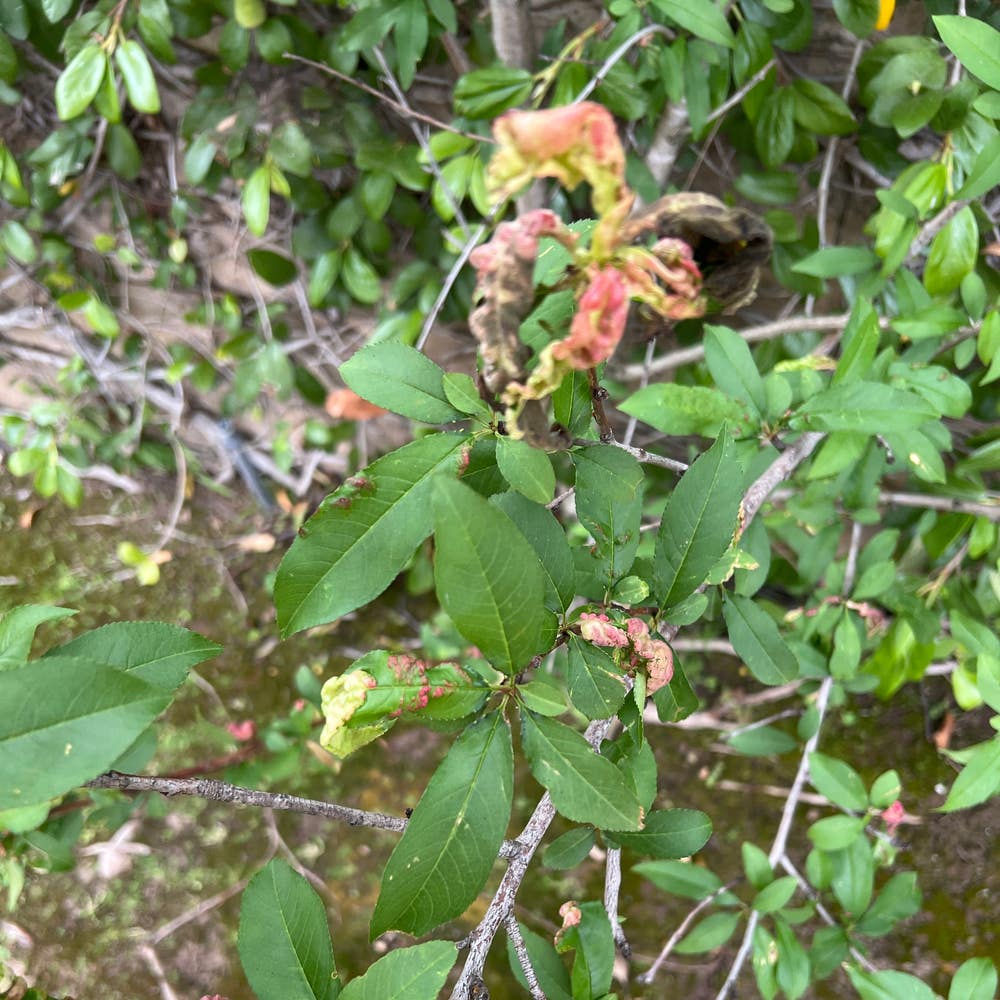
Leaf curl is a fungal infection that manifests as distorted, curled leaves. This condition is often exacerbated by environmental stress, making it crucial to monitor your tree's health.
Root rot, characterized by wilting and yellowing leaves, is typically caused by overwatering and poorly drained soils. Addressing these issues promptly can help prevent further complications.
Understanding these causes is the first step in addressing the problem of leaves falling over on your nectarine tree. With this knowledge, you can move on to diagnosing the specific issues affecting your tree's health.
Diagnosing the Problem
Identifying Symptoms of Leaf Drop 🌿
To effectively diagnose leaf drop in your nectarine tree, start by observing any changes in leaf color. Yellowing, browning, or curling leaves can indicate various issues, from nutrient deficiencies to environmental stress.
Additionally, take note of when the leaf drop occurs. Is it a seasonal pattern, or does it happen suddenly? Understanding the timing can provide crucial clues to the underlying problem.
Assessing Environmental Conditions 🌤️
Next, assess the environmental conditions surrounding your tree. Monitoring temperature extremes is essential; use a thermometer to track fluctuations that could stress your plant.
Also, evaluate wind exposure. Consider the tree's location and any nearby structures that might shield it from strong winds or expose it to harsh conditions.
Checking Soil Moisture Levels 💧
Soil moisture is another critical factor in diagnosing leaf drop. To check moisture levels, insert your finger about 2 inches into the soil. Ideally, the soil should feel moist but not soggy.
For a more accurate reading, consider using a moisture meter. This tool can help you determine if your tree is receiving the right amount of water.
Inspecting for Pests and Diseases 🐛
Finally, conduct a visual inspection for pests and diseases. Look closely at the leaves and stems for any signs of infestation, such as discoloration or spots.
Using a magnifying glass can help you identify smaller pests like spider mites. Early detection is key to preventing further damage to your nectarine tree.
By systematically diagnosing these factors, you can pinpoint the cause of leaf drop and take appropriate action to restore your tree's health. Next, we will explore effective solutions to fix drooping leaves.
Solutions to Fix Drooping Leaves
Adjusting Watering Practices 🌧️
Proper watering is crucial for the health of your nectarine tree.
- Water deeply: Aim for 1-2 inches of water per week to ensure the roots receive adequate moisture.
- Check drainage: Make sure your pots or soil allow excess water to escape, preventing root rot.
- Adjust frequency: Modify your watering schedule based on weather conditions, especially during heat waves.
Fertilization Tips for Healthy Leaves 🌱
Fertilization plays a vital role in maintaining vibrant leaves.
- Choosing the right fertilizer: Opt for a balanced NPK fertilizer (10-10-10) during the growing season to support growth.
- Application timing: Fertilize in early spring, just before new growth begins, to give your tree a nutrient boost.
Pest Control Methods 🐞
Managing pests is essential to prevent leaf drooping.
- Organic options: Use neem oil every 7-14 days to control aphids effectively. Insecticidal soap can also tackle soft-bodied pests without harming beneficial insects.
- Chemical options: For severe infestations, systemic insecticides can be effective. Always follow label instructions for safe application.
Disease Management Strategies 🦠
Addressing diseases promptly can save your nectarine tree.
- Fungicides: Apply copper-based fungicides in early spring before leaf emergence to combat leaf curl effectively.
- Cultural practices: Improve air circulation by pruning dense areas of the tree. This helps reduce humidity and prevents fungal infections.
By implementing these solutions, you can help your nectarine tree recover from drooping leaves and thrive. Next, let's explore preventative measures to keep your tree healthy year-round.
Preventative Measures
🌳 Best Practices for Nectarine Care
To keep your nectarine tree thriving, establish a regular watering schedule. Consistent moisture levels are crucial for healthy growth and leaf retention.
Fertilization is equally important. Apply nutrients based on soil tests to ensure your tree receives what it needs for optimal health.
🍂 Seasonal Care Tips to Prevent Leaf Drop
In spring, keep a close eye on your tree for any signs of pests and diseases as new growth emerges. Early detection can save you a lot of trouble later.
During the summer, ensure your tree is adequately watered, especially during heat waves. This will help prevent stress and leaf drop.
As fall approaches, prepare your tree for winter by mulching and pruning. This not only protects the roots but also promotes healthy growth in the coming season.
✂️ Importance of Proper Pruning Techniques
Timing is key when it comes to pruning. Aim to prune your nectarine tree in late winter or early spring for the best results.
Use proper techniques by removing dead or diseased wood. This encourages healthy growth and improves air circulation within the tree.
🌱 Soil Health and Amendments for Nectarines
Conduct soil testing to determine nutrient levels in your garden. Understanding your soil's composition is essential for effective care.
Consider adding compost or well-rotted manure to improve soil structure. This enriches the soil and provides a better environment for your nectarine tree to flourish.
By following these preventative measures, you can significantly reduce the chances of leaves falling over on your nectarine tree. With a little care and attention, your tree will thrive and produce delicious fruit.
Monitoring and Maintenance
Regular Inspection Routines for Leaf Health 🌿
To keep your nectarine tree thriving, establish a routine of weekly checks. Look for signs of stress, pests, or diseases that could affect leaf health.
Document any changes you observe in a gardening journal. This log will help you track patterns and make informed decisions about care.
Signs of Recovery in Nectarines 🌱
As you monitor your tree, watch for new leaf growth. This is a clear indicator that your nectarine is bouncing back to health.
Additionally, pay attention to color changes in the leaves. A return to vibrant green suggests that nutrient levels are stabilizing.
When to Seek Professional Help 🆘
If you notice persistent issues despite your best efforts, it may be time to consult a professional. An arborist or plant health specialist can provide expert guidance tailored to your tree's needs.
Severe infestations or diseases require immediate attention. Don't hesitate to seek help to protect your precious nectarine tree.
By staying vigilant and proactive, you can ensure your nectarine remains healthy and productive. Now, let’s explore some preventative measures to keep your tree in top shape.
⚠️ Safety First
This content is for general information and may contain errors, omissions, or outdated details. It is not medical, veterinary advice, or an endorsement of therapeutic claims.
Always consult a qualified healthcare professional before using any plant as food, medicine, or supplement.
Never eat any plant (or feed one to pets) without confirming its identity with at least two trusted sources.
If you suspect poisoning, call Poison Control (800) 222-1222, the Pet Poison Helpline (800) 213-6680, or your local emergency service immediately.
Spotted an error? Please report it here.
Keep your nectarine tree healthy and flourishing 🌿 by using Greg's tailored reminders for watering and nutrient management to prevent leaf drop and promote vibrant growth!