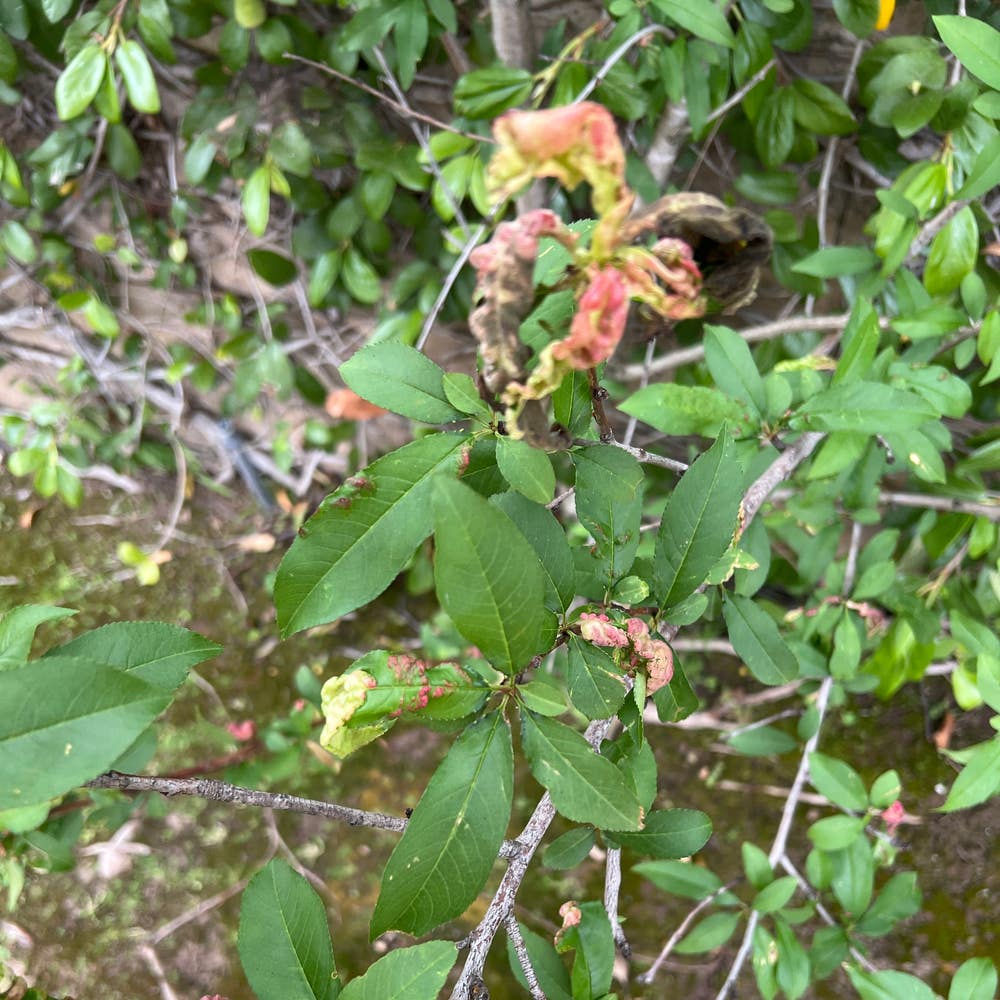
The #1 Top Companion Plant for Nectarine 🍑
Prunus persica
By the Greg Editorial Team
Nov 22, 2024•5 min read
This article was created with the help of AI so we can cover more plants for you. May contain errors. See one? Report it here.
- 🌼 Marigolds attract pollinators and repel pests, boosting Nectarine health.
- 🌱 Basil enhances flavor and deters pests like aphids and spider mites.
- 🐞 Chives attract beneficial insects while repelling pests, ideal for Nectarine gardens.
Best Companion Plants for Nectarine
🌼 Marigold
Marigolds are a gardener's best friend, boasting bright, vibrant flowers that not only beautify your garden but also attract essential pollinators. Their natural pest-repellent properties make them particularly effective against aphids and nematodes, keeping your Nectarine trees healthy.
🌿 Basil
Basil is more than just a culinary delight; it's an aromatic herb that enhances the flavor of nearby fruits. This companion plant also repels pests like aphids and spider mites, promoting a thriving environment for your Nectarine trees.
🌱 Chives
Chives are a perennial herb known for their strong scent, which effectively deters pests. Additionally, they attract beneficial insects such as ladybugs, which prey on aphids, creating a balanced ecosystem around your Nectarine trees.
🍀 Clover
Clover serves as an excellent ground cover, preventing soil erosion and retaining moisture. It also fixes nitrogen in the soil, improving fertility and providing essential nutrients for your Nectarine trees.
🌞 Why These Plants Thrive with Nectarine
These companion plants thrive alongside Nectarines due to their similar care needs, requiring full sun and well-drained soil. Their complementary growth habits ensure they do not compete for nutrients, allowing both the Nectarines and their companions to flourish together.
Incorporating these companion plants into your Nectarine garden not only enhances its health but also its beauty. As we explore pest management next, you'll see how these plants play a crucial role in maintaining a balanced ecosystem.
Pest Management
🌱 Role of Companion Plants in Pest Management
Companion plants play a crucial role in natural pest management. By strategically planting them alongside Nectarines, you can deter pests without relying on harmful chemicals.
These plants create a balanced ecosystem that supports beneficial insects. When you cultivate a diverse garden, you invite ladybugs, lacewings, and other helpful critters that keep pest populations in check.
🐞 Specific Pests That Affect Nectarine and How Companions Help
Aphids are a common nuisance for Nectarine trees. However, companion plants like Marigold and Basil are effective at repelling these pests, keeping your trees healthier.
Another threat is the peach tree borer. Aromatic herbs like Chives can deter these pests, providing an extra layer of protection for your Nectarines.
🌼 Examples of Pest-Repellent Companion Plants
Marigold: These vibrant flowers not only attract pollinators but also repel aphids and nematodes, making them a must-have in your garden.
Basil: This aromatic herb enhances the flavor of nearby fruits while keeping pests like aphids and spider mites at bay.
Chives: Their strong scent deters pests and attracts beneficial insects, such as ladybugs, which prey on aphids.
Integrating these pest-repellent companion plants into your Nectarine garden is essential. They not only protect your trees but also contribute to a thriving, biodiverse environment.
By understanding the role of companion plants in pest management, you can cultivate a healthier, more productive garden. Next, let’s explore how these plants can enhance the visual appeal of your Nectarine garden.
Visual Appeal and Garden Design
Enhancing Visual Appeal with Companion Plants 🌼
Companion plants can transform your Nectarine garden into a vibrant oasis. Their colorful flowers and varied foliage create a stunning landscape that draws the eye and invites exploration.
Seasonal interest is another perk. As companion plants bloom at different times, they ensure your garden remains lively throughout the year, providing a feast for the senses.
Suggestions for a Diverse and Attractive Garden Layout 🌿
To maximize the beauty of your garden, consider planting companion plants in clusters. Grouping them together not only enhances their visual impact but also fosters a supportive environment for growth.
Layering plants is another effective strategy. Position taller companions behind shorter ones to create depth and dimension, making your garden feel more dynamic and inviting.
Don’t forget to incorporate pollinator-friendly plants. These attract beneficial insects, adding life and movement to your garden while supporting the overall ecosystem.
By thoughtfully designing your Nectarine garden with companion plants, you can create a space that is not only beautiful but also thriving and productive. This approach sets the stage for a flourishing garden that delights the senses and supports healthy fruit production.
Next, we will explore the crucial role of companion plants in pest management, ensuring your Nectarine trees remain healthy and vibrant.
Plants to Avoid Near Nectarine
🌱 Competing Plants
When planning your Nectarine garden, it's crucial to know which plants to steer clear of. Certain plants can compete for nutrients, stunting the growth of your Nectarines.
🚫 Specific Plants to Avoid
- Fennel: This herb is notorious for inhibiting the growth of Nectarines. Its strong root system can overshadow the shallow roots of Nectarine trees, leading to nutrient competition.
📉 Detrimental Effects on Growth
Nectarines have shallow root systems, making them particularly vulnerable to competition. When planted near aggressive plants, they may struggle to absorb the necessary nutrients and water.
🐛 Pest Attraction
Additionally, some plants can attract harmful pests that threaten your Nectarine trees. Keeping these plants at bay helps maintain a healthy garden ecosystem.
🌼 Conclusion
By avoiding these detrimental plants, you can ensure your Nectarines thrive. This proactive approach sets the stage for a flourishing garden, leading us to explore how to enhance your garden's visual appeal with companion plants.
⚠️ Safety First
This content is for general information and may contain errors, omissions, or outdated details. It is not medical, veterinary advice, or an endorsement of therapeutic claims.
Always consult a qualified healthcare professional before using any plant as food, medicine, or supplement.
Never eat any plant (or feed one to pets) without confirming its identity with at least two trusted sources.
If you suspect poisoning, call Poison Control (800) 222-1222, the Pet Poison Helpline (800) 213-6680, or your local emergency service immediately.
Spotted an error? Please report it here.
Boost your Nectarine garden's health and beauty with companion plants 🌼 while Greg provides tailored care tips to help you cultivate a thriving ecosystem!