🍑 4 Tips for How to Plant Your Nectarine
Prunus persica
By the Greg Editorial Team
Nov 22, 2024•5 min read
This article was created with the help of AI so we can cover more plants for you. May contain errors. See one? Report it here.
- 🌱 Choose between new planting or transplanting based on your gardening goals.
- 🌞 Nectarines need 6-8 hours of sunlight daily for optimal growth and fruiting.
- 💧 Water thoroughly before transplanting to minimize stress and promote healthy roots.
Planting New vs. Transplanting Established Nectarine
🌱 Benefits and Drawbacks of Each Method
When deciding between planting new nectarines or transplanting established ones, it's essential to weigh the pros and cons of each approach.
New Planting
Benefits:
New planting offers a broader selection of varieties, allowing you to choose the perfect nectarines for your taste and climate. Additionally, the initial costs are typically lower, making it an attractive option for budget-conscious gardeners.
Drawbacks:
However, new plants take longer to mature and bear fruit. They also require more care in the early stages, which can be a challenge for novice gardeners.
Transplanting
Benefits:
On the flip side, transplanting established nectarines can lead to faster fruit production. These plants come with an established root system, giving them a head start in their new environment.
Drawbacks:
The downside is the risk of transplant shock, which can temporarily hinder growth. Moreover, your variety options may be limited, as not all plants are suitable for transplanting.
Understanding these benefits and drawbacks will help you make an informed decision on the best method for your gardening goals. Next, let’s explore the specifics of planting new nectarines.
Planting New Nectarine
🌱 Optimal Timing for Planting
The best time to plant your nectarine is early spring, right after the last frost. Be sure to consider your local climate and the specific growth cycle of nectarines to ensure optimal results.
🏺 Selecting the Right Soil Mix and Containers
For healthy growth, choose a well-drained sandy loam soil with a pH between 6.0 and 7.0. If you're container gardening, opt for pots that have drainage holes and are at least 18 inches deep to accommodate root growth.
📏 Proper Depth and Spacing for Planting
When planting, dig a hole that is twice the width of the root ball and equal in depth. For standard nectarine varieties, space them 15-20 feet apart; for dwarf varieties, 8-10 feet will suffice.
☀️ High-Level Tips for Maintaining Ideal Growing Conditions
Nectarines thrive in full sun, so aim for 6-8 hours of sunlight daily. Regular watering is crucial; keep the soil consistently moist but avoid waterlogging. Additionally, applying organic mulch can help retain moisture and suppress weeds.
🌤️ Hardening Off Process Before Outdoor Planting
- Gradually expose young plants to outdoor conditions over 7-10 days.
- Start with a few hours of sunlight and gradually increase their exposure.
- Keep an eye out for signs of stress and adjust their exposure as needed.
By following these steps, you'll set your new nectarine plants up for success. Next, we’ll explore the process of transplanting established nectarines, ensuring they continue to thrive in their new environment.
Transplanting Established Nectarine
🌱 Optimal Timing for Transplanting
The best time to transplant established nectarines is during early spring or late fall when the plant is dormant. This timing minimizes stress on the plant and aligns with its natural growth cycle.
🛠️ Step-by-Step Instructions for Proper Transplanting
Removing the Plant from Its Current Location
- Water the plant thoroughly a day before transplanting to hydrate the roots.
- Carefully dig around the root zone, ensuring you keep the roots intact.
- Lift the plant gently from the ground, taking care to avoid damaging the roots.
Preparing the New Planting Site
- Choose a location that receives full sun and has well-drained soil.
- Dig a hole that is twice the width of the root ball and equal in depth.
- Amend the soil with compost or organic matter if necessary to enhance fertility.
Ensuring Proper Placement and Spacing
- Position the plant in the center of the hole, making sure the roots are spread out evenly.
- Backfill with soil, gently tamping down to eliminate any air pockets.
- Follow the same spacing guidelines as you would for new planting to ensure adequate room for growth.
💧 Tips for Watering, Mulching, and Providing Support
Keep the soil consistently moist for the first few weeks after transplanting.
Apply a 2-3 inch layer of organic mulch around the base to retain moisture and suppress weeds.
If necessary, use stakes to stabilize the plant during its establishment phase.
Transplanting can be a rewarding process, setting your nectarines up for a fruitful future. Next, we’ll explore troubleshooting common issues that may arise during this journey.
Troubleshooting Common Issues
🌱 Transplant Shock and How to Mitigate It
Transplant shock can be a real bummer for your nectarine tree. Symptoms include wilting, yellowing leaves, and stunted growth, signaling that your plant is struggling to adjust.
To mitigate transplant shock, ensure proper watering. Keep the soil consistently moist but not soggy, and avoid fertilizing immediately after transplanting to give your tree time to recover.
🏗️ Addressing Establishment Problems
If you notice slow growth or leaf drop, your nectarine may be facing establishment problems. These signs indicate that the plant isn't settling in as it should.
To address these issues, check the soil moisture levels and adjust your watering schedule accordingly. Also, ensure your tree is getting adequate sunlight, as this is crucial for its recovery and growth.
🐞 Common Pests and Diseases Affecting Nectarine
Nectarines can fall victim to various pests and diseases. Common pests include aphids, spider mites, and peach tree borers, which can wreak havoc on your plant's health.
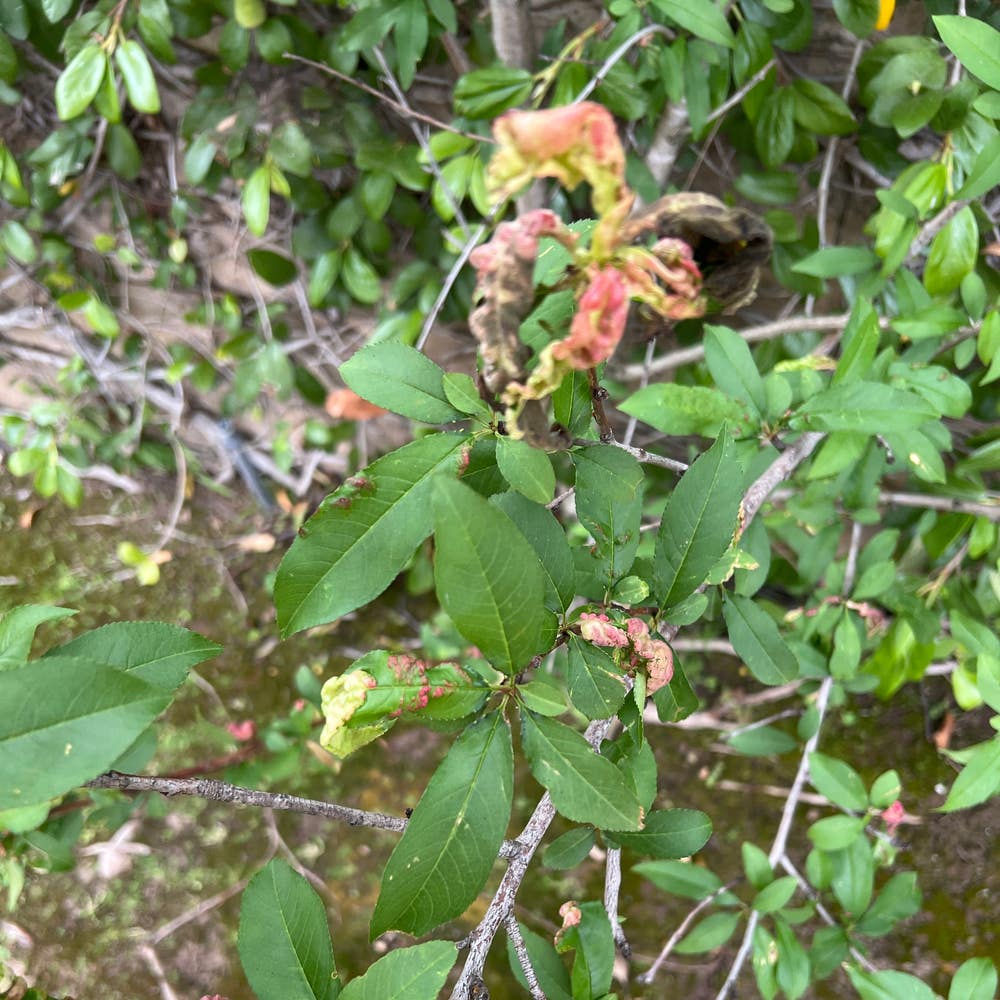
Diseases like brown rot, leaf curl, and bacterial spot can also pose significant threats. Prevention is key: conduct regular inspections, maintain overall plant health, and consider using organic pest control methods to keep your nectarine thriving.
With these troubleshooting tips, you can help your nectarine tree overcome challenges and flourish. Next, let’s explore how to keep your tree healthy and productive throughout its growing season.
⚠️ Safety First
This content is for general information and may contain errors, omissions, or outdated details. It is not medical, veterinary advice, or an endorsement of therapeutic claims.
Always consult a qualified healthcare professional before using any plant as food, medicine, or supplement.
Never eat any plant (or feed one to pets) without confirming its identity with at least two trusted sources.
If you suspect poisoning, call Poison Control (800) 222-1222, the Pet Poison Helpline (800) 213-6680, or your local emergency service immediately.
Spotted an error? Please report it here.
Plant your nectarines with confidence 🌱 by using Greg's tailored care tips and reminders to ensure they thrive and produce delicious fruit!