8 Winter Care Mistakes to Avoid with Nectarine ❄️
Prunus persica
By the Greg Editorial Team
Nov 22, 2024•5 min read
This article was created with the help of AI so we can cover more plants for you. May contain errors. See one? Report it here.
- ❄️ Frost protection is vital for nectarines to prevent cold damage.
- 🌱 Adjust watering schedules during dormancy to avoid root rot.
- 🌿 Use mulch and insulation to protect roots and trunks from extreme cold.
Frost Protection Strategies
Methods for Protecting from Frost ❄️
Frost can be a significant threat to your nectarine trees during winter. To safeguard them, consider covering your trees with frost cloth or blankets when cold snaps hit.
Row covers or tarps can also create a protective barrier against the chill. For added warmth, employ heat sources like outdoor lights or heaters to raise temperatures around your trees.
Importance of Mulch and Insulation 🌱
Mulch plays a crucial role in winter care. Applying a thick layer around the base of your tree insulates the roots and helps retain soil moisture.
Recommended materials for mulch include straw, wood chips, or shredded leaves. Additionally, insulating the trunk with burlap or foam wraps can provide extra protection against extreme cold.
By implementing these frost protection strategies, you can help ensure your nectarine trees thrive through the winter months. Next, let’s explore how to adjust your watering and fertilizing practices during this dormant season.
Watering and Fertilizing Adjustments
🌨️ Adjusting Watering Schedules During Winter
As your nectarine tree enters dormancy, it's crucial to adjust your watering routine. Reducing the frequency of watering helps prevent root rot, a common issue during colder months.
Water only when the top inch of soil feels dry. This simple practice ensures your tree receives the moisture it needs without the risk of overwatering.
❄️ Fertilization Needs During Winter
During winter, your nectarine tree's fertilization needs are minimal. Avoid fertilizing in late fall or winter, as this can stimulate unwanted growth when the tree should be resting.
Instead, plan to apply a balanced fertilizer in early spring when growth resumes. This approach supports healthy development as the tree awakens from dormancy and prepares for the growing season.
By following these watering and fertilizing adjustments, you can help your nectarine tree thrive through winter and emerge strong in spring. Next, let's explore how to care for your tree indoors during the colder months.
Indoor Winter Care
🌱 Guidelines for Bringing Indoors
Bringing your nectarine tree indoors for the winter can be a game changer. Choose a bright, south-facing window to ensure it gets plenty of light.
Avoid placing your tree near drafts or heating vents, as these can create an unstable environment. Your goal is to provide a cozy, stable spot for your tree to thrive.
🌡️ Light and Temperature Requirements
Maintaining the right indoor conditions is crucial for your tree's health. Aim for a temperature range of 60°F to 70°F (15°C to 21°C) to keep your nectarine comfortable.
If natural light falls short, consider using supplemental grow lights. This will help mimic the sunlight your tree craves during those dreary winter months.
By following these guidelines, you can help your nectarine tree not just survive, but thrive indoors. This sets the stage for a robust spring recovery and fruitful growth ahead.
Spring Preparation and Recovery
🌨️ Signs of Winter Damage
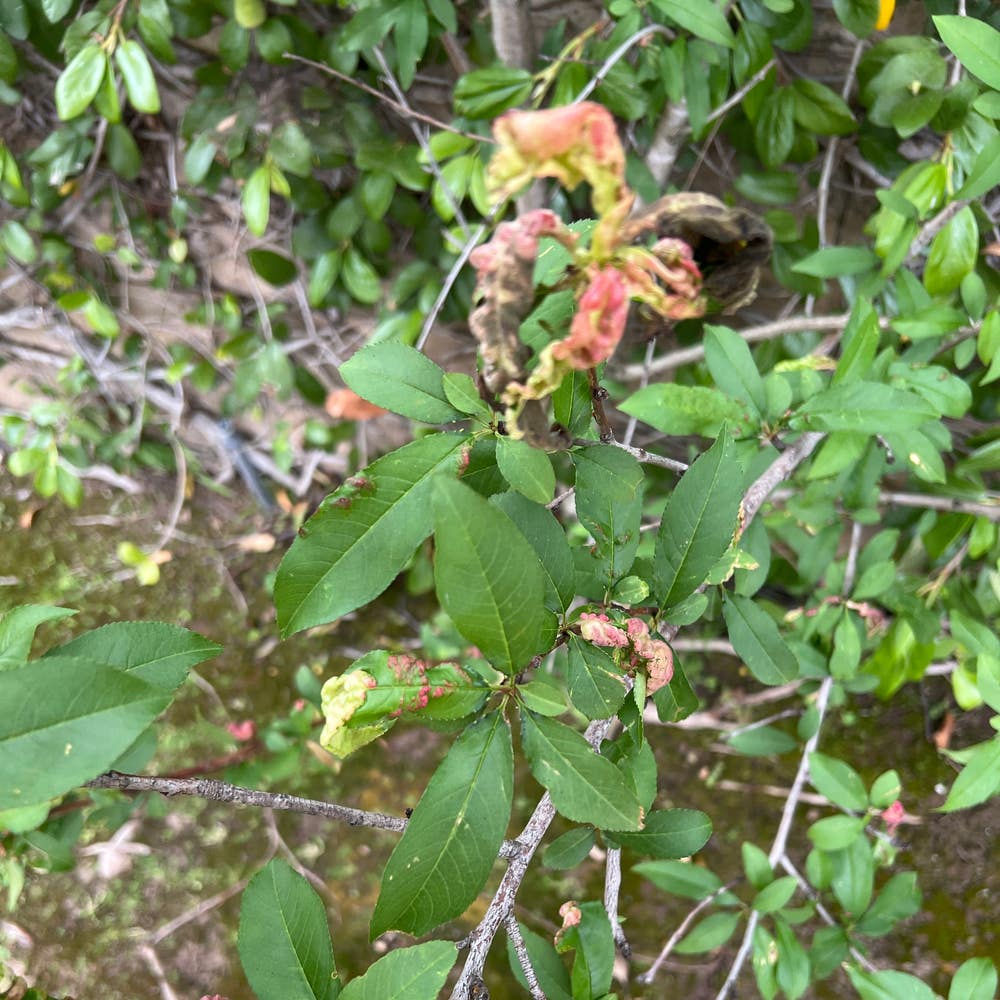
As winter fades, it's crucial to assess your nectarine tree for any frost damage. Look for symptoms such as brown or blackened buds, wilting leaves, and stunted growth, which indicate that your tree may have suffered during the colder months.
Evaluating the overall health of your tree post-winter will help you determine the necessary steps for recovery. A thorough inspection can reveal how well your tree has weathered the season and what actions you need to take next.
✂️ Steps for Recovery and Pruning
Once you've identified any damage, it's time to prune those affected branches. The best timing for this is late winter to early spring, just before new growth starts.
When pruning, focus on removing dead or damaged wood to encourage healthy growth. This not only helps the tree recover but also promotes better air circulation and sunlight penetration.
After pruning, reintroduce regular watering and fertilization schedules as temperatures begin to rise. This will support your tree's recovery and set the stage for a fruitful growing season ahead.
By taking these steps, you can ensure your nectarine tree bounces back strong and ready to thrive. With proper care, you'll be well on your way to enjoying a bountiful harvest come summer.
Common Winter Care Mistakes
💧 Overwatering During Dormancy
Overwatering your nectarine tree during its dormant phase can lead to serious issues. Excess moisture creates a perfect environment for root rot and other fungal diseases.
Signs of overwatering include yellowing leaves and mushy roots. If you notice these symptoms, it’s crucial to adjust your watering schedule immediately.
❄️ Neglecting Frost Protection Measures
Failing to implement frost protection can have dire consequences for your tree. Without adequate measures, buds and fruit are at a higher risk of frost damage.
Proactive frost protection is essential for maintaining tree health and ensuring a fruitful harvest in the upcoming season. Taking these precautions now can save you from disappointment later.
By avoiding these common mistakes, you can set your nectarine tree up for success as it transitions through winter. Next, let’s explore effective frost protection strategies to keep your tree thriving.
⚠️ Safety First
This content is for general information and may contain errors, omissions, or outdated details. It is not medical, veterinary advice, or an endorsement of therapeutic claims.
Always consult a qualified healthcare professional before using any plant as food, medicine, or supplement.
Never eat any plant (or feed one to pets) without confirming its identity with at least two trusted sources.
If you suspect poisoning, call Poison Control (800) 222-1222, the Pet Poison Helpline (800) 213-6680, or your local emergency service immediately.
Spotted an error? Please report it here.
Avoid winter care mistakes and set your nectarine tree up for success 🌱 with Greg's tailored watering alerts and frost protection tips that ensure a bountiful harvest come spring!