What to Do About Dropping Leaves on Your Nectarine 🍑
Prunus persica
By the Greg Editorial Team
Nov 22, 2024•7 min read
This article was created with the help of AI so we can cover more plants for you. May contain errors. See one? Report it here.
- 🌡️ Temperature extremes outside 20°C-30°C can cause leaf drop in nectarines.
- 💧 Humidity levels of 40%-60% are crucial to prevent premature leaf drop.
- 🌱 Nutrient deficiencies like nitrogen and potassium lead to yellowing and stunted growth.
Causes of Leaf Drop
🌡️ Environmental Stress Factors
Temperature fluctuations can significantly impact your nectarine tree's health. The ideal temperature range for optimal growth is between 20°C to 30°C (68°F to 86°F). When temperatures stray too far from this range, you may notice symptoms like leaf curling, yellowing, and premature drop.
Humidity also plays a crucial role in leaf health. Nectarines thrive in humidity levels of 40% to 60%. Low humidity can lead to increased transpiration, causing leaves to drop prematurely as the tree struggles to retain moisture.
🥦 Nutrient Deficiencies
Nutrient deficiencies can lead to noticeable changes in your tree's foliage. A nitrogen deficiency often manifests as yellowing leaves and stunted growth, highlighting the importance of nitrogen for leaf health.
Potassium deficiency is another concern, with symptoms including browning leaf edges and weak branches. Potassium is vital for overall tree vigor, so addressing these deficiencies is essential for maintaining a healthy tree.
🐜 Pest Infestations
Pest infestations are a common issue for nectarines, with aphids and spider mites being the most notorious culprits. Aphids can cause curling leaves and leave a sticky residue, weakening the plant and leading to leaf drop.
Spider mites, on the other hand, create fine webbing and stippled leaves. Their damage reduces photosynthesis, putting additional stress on the tree and contributing to leaf drop.
🍄 Fungal Diseases
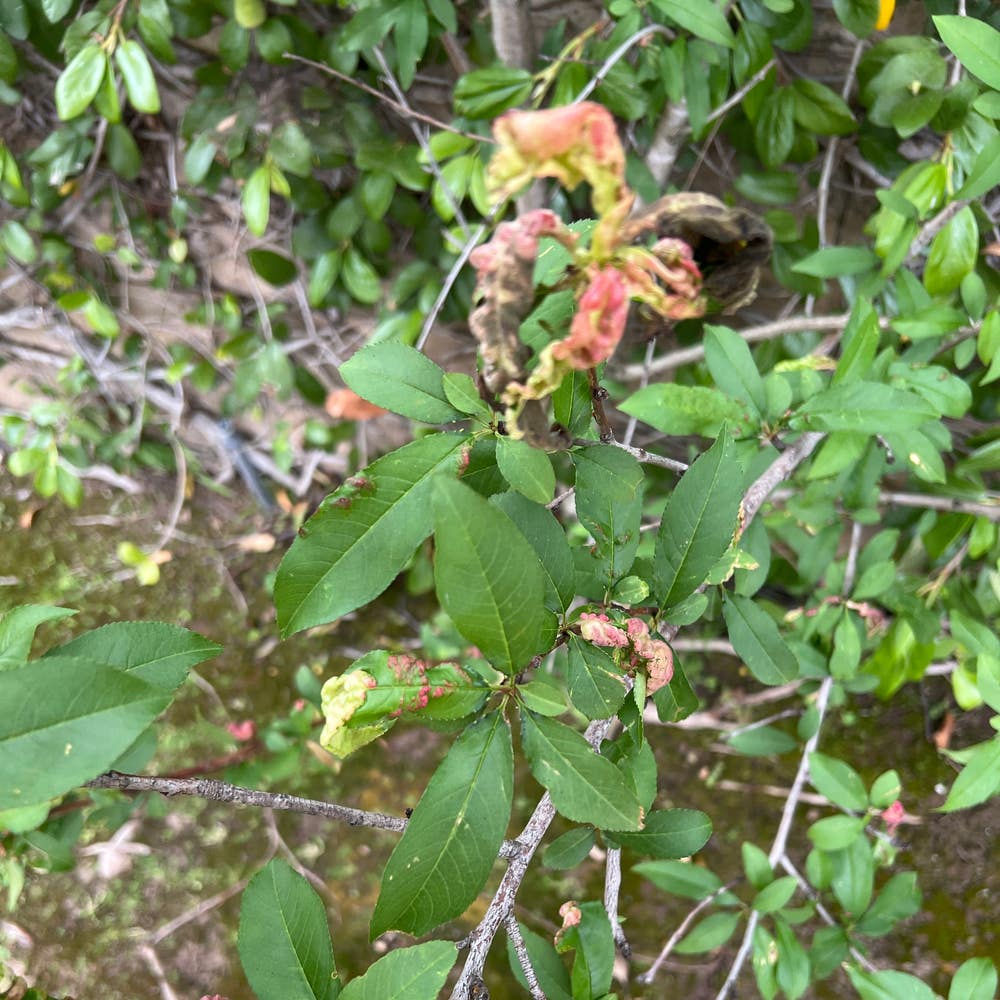
Fungal diseases can wreak havoc on your nectarine tree. Peach leaf curl is characterized by distorted, curled leaves that drop prematurely. Preventing this disease involves proper fungicide application and selecting resistant cultivars.
Another common fungal issue is powdery mildew, which appears as white powdery spots on leaves. This disease weakens the tree, ultimately leading to leaf drop if not addressed.
💧 Overwatering and Root Rot
Overwatering can be just as damaging as underwatering. Signs of overwatering include wilting leaves despite wet soil, which can indicate root rot. Dark, mushy roots are a clear sign that your tree is suffering.
To prevent these issues, ensure your soil is well-drained. Sandy loam is the ideal soil type, providing the necessary drainage to keep your nectarine tree healthy and thriving.
Understanding these causes of leaf drop is crucial for maintaining the health of your nectarine tree. By addressing environmental stress, nutrient deficiencies, pests, fungal diseases, and watering practices, you can help your tree flourish. Next, we’ll explore how to diagnose these leaf drop issues effectively.
Diagnosing Leaf Drop Issues
🧐 Identifying Symptoms of Leaf Drop
To tackle leaf drop effectively, start with a visual inspection of your nectarine tree. Look for yellowing, curling, or browning leaves, and pay attention to any patterns of premature leaf drop.
🌦️ Assessing Environmental Conditions
Next, assess the environmental conditions surrounding your tree. Use a thermometer and hygrometer to monitor temperature and humidity accurately, ensuring they stay within ideal ranges.
☀️ Evaluating Sunlight Exposure
Sunlight is crucial for your tree's health. Make sure your nectarine tree receives full sun for 6 to 8 hours daily to promote robust growth and minimize stress.
🐛 Checking for Pests and Diseases
Regular inspections are key to catching problems early. Look for signs of pests on leaves and stems, and identify any fungal infections by examining leaf symptoms closely.
🧪 Soil Testing for Nutrient Levels
Conducting soil tests can reveal nutrient deficiencies that may contribute to leaf drop. Test for nitrogen, potassium, and pH levels, aiming for a soil pH between 6.0 and 7.0 for optimal growth.
By diagnosing these issues early, you can take proactive steps to ensure the health of your nectarine tree. This will set the stage for effective preventive measures that follow.
Preventive Measures
Proper Watering Techniques 🌊
Watering your nectarine tree correctly is crucial for its health. Aim for deep watering every 1-2 weeks during dry spells to ensure the roots receive adequate moisture.
To check if you're watering properly, feel the soil 2-3 inches below the surface. If it’s dry, it’s time to water again.
Fertilization Schedule 🌱
A balanced NPK fertilizer, like 10-10-10, is recommended during the growing season. Apply this fertilizer in early spring and again in mid-summer to support healthy growth.
Pest Management Strategies 🐞
Implementing integrated pest management (IPM) is essential for keeping your tree healthy. Regular monitoring and early intervention can prevent pest issues before they escalate.
Consider introducing beneficial insects, such as ladybugs and lacewings, to naturally control aphid populations. This method not only protects your tree but also promotes a balanced ecosystem.
Pruning Techniques ✂️
Pruning is vital for maintaining the shape and health of your nectarine tree. Focus on removing dead or crowded branches to improve air circulation and light penetration.
The best time to prune is late winter or early spring, just before new growth begins. This timing helps the tree recover quickly and encourages robust growth.
Mulching to Retain Soil Moisture 🌾
Using organic mulches, like wood chips or straw, can significantly benefit your tree. Mulching helps retain soil moisture, suppress weeds, and improve overall soil health.
By reducing evaporation, mulching creates a more stable environment for your tree’s roots. This simple step can make a big difference in your tree's resilience and productivity.
These preventive measures will help ensure your nectarine tree thrives. With proper care, you can enjoy a bountiful harvest and vibrant foliage throughout the growing season. Next, let’s explore treatment options for when issues arise.
Treatment Options
🌱 Organic Solutions for Pests and Diseases
When it comes to managing pests and diseases on your nectarine tree, organic solutions are often the safest and most effective. Neem oil and insecticidal soap are excellent choices for pest control, effectively targeting common nuisances without harming beneficial insects.
For fungal infections, consider using organic fungicides. These products can help combat issues like powdery mildew and peach leaf curl, promoting healthier foliage and reducing leaf drop.
⚗️ Chemical Treatments
Sometimes, organic methods may not suffice, especially in cases of severe infestations or stubborn infections. In such situations, chemical treatments can be a viable option.
It's crucial to apply these treatments judiciously. Always follow label instructions carefully and choose calm weather days for application to minimize drift and maximize effectiveness.
💧 Adjusting Watering Practices
Watering practices play a significant role in the health of your nectarine tree. Adjust your watering schedule based on current weather conditions to ensure optimal moisture levels.
During hot, dry spells, increase your watering frequency to keep the soil adequately moist. Conversely, reduce watering during rainy periods to prevent root rot, which can lead to further leaf drop.
🌿 Nutrient Supplementation Methods
To boost your tree's health, consider nutrient supplementation methods. Foliar feeding is a quick way to provide essential nutrients; using liquid fertilizers allows for rapid absorption through the leaves.
Incorporating soil amendments like compost or well-rotted manure can also enhance soil fertility. This practice not only nourishes your tree but also improves overall soil health, promoting robust growth and resilience against stressors.
By implementing these treatment options, you can effectively address leaf drop issues and foster a thriving nectarine tree. Next, let’s explore seasonal considerations to ensure your tree receives the best care throughout the year.
Seasonal Considerations
🌸 Spring Care
Spring is a crucial time for your nectarine tree. As new growth begins, apply a balanced fertilizer to give it the nutrients it needs to thrive.
Pruning is also essential during this season. Shape your tree and remove any dead wood to encourage healthy growth and airflow.
☀️ Summer Monitoring
Summer brings its own set of challenges. Regular inspections for pests and diseases are vital to maintaining leaf health.
Adjust your watering schedule to ensure consistent moisture, especially during fruit development. This will help your tree produce juicy, delicious nectarines.
🍂 Fall Preparation
As fall approaches, it's time to prepare your tree for dormancy. Apply a slow-release fertilizer to give your tree a nutrient boost before winter sets in.
Don't forget about leaf cleanup! Removing fallen leaves helps prevent diseases from overwintering and keeps your garden tidy.
❄️ Winter Care
Winter can be tough on your nectarine tree. Protect it against frost by using frost cloths or mulch to insulate the roots.
Keep an eye on soil moisture during the dry winter months. Checking periodically ensures your tree has enough water to survive until spring.
With these seasonal considerations, your nectarine tree will be well-equipped to handle the changing weather and thrive year-round. Next, let’s explore treatment options for any issues that may arise.
⚠️ Safety First
This content is for general information and may contain errors, omissions, or outdated details. It is not medical, veterinary advice, or an endorsement of therapeutic claims.
Always consult a qualified healthcare professional before using any plant as food, medicine, or supplement.
Never eat any plant (or feed one to pets) without confirming its identity with at least two trusted sources.
If you suspect poisoning, call Poison Control (800) 222-1222, the Pet Poison Helpline (800) 213-6680, or your local emergency service immediately.
Spotted an error? Please report it here.
Keep your nectarine tree healthy and leafy 🍃 by using Greg's tailored care reminders to maintain optimal temperature, humidity, and nutrients for thriving growth!