Best Tips for Droopy Leaves on Nectarine 🍑
Prunus persica
By the Greg Editorial Team
Nov 22, 2024•6 min read
This article was created with the help of AI so we can cover more plants for you. May contain errors. See one? Report it here.
- 💧 Overwatering and underwatering both cause droopy leaves; maintain a consistent watering schedule.
- 🌞 Nectarines need 6-8 hours of sunlight daily for healthy leaves and growth.
- 🐛 Pest infestations weaken trees; regular inspections and organic controls are essential.
Causes of Droopy Leaves
💧 Overwatering and Its Effects
Overwatering is a common issue for nectarines, leading to symptoms like yellowing leaves, soggy soil, and even root rot. This excess moisture reduces oxygen availability to the roots, causing the tree to wilt and leaves to droop.
🚰 Underwatering and Its Symptoms
Conversely, underwatering presents its own set of challenges. Signs include dry, crispy leaves and wilting, which stress the tree and can result in droopy leaves and stunted growth.
🥦 Nutrient Deficiencies
Nutrient deficiencies can significantly affect the health of your nectarine tree.
Nitrogen Deficiency
A nitrogen deficiency manifests as pale green leaves and stunted growth. Nitrogen is crucial for overall tree health, as it supports vigorous foliage development.
Potassium Deficiency
Potassium deficiency shows up with leaf edges turning brown and curling. This nutrient plays a vital role in water regulation and helps the tree resist stress.
🐛 Pest Infestations
Pests can wreak havoc on your nectarine tree, leading to droopy leaves.
Aphids
Aphids are notorious for curling leaves and leaving a sticky residue known as honeydew. Their feeding habits deplete nutrients, contributing to leaf droop.
Spider Mites
Spider mites create fine webbing and cause stippled leaves. Their presence weakens the plant, resulting in droopy foliage.
🌪️ Environmental Stress
Environmental factors can also lead to droopy leaves on nectarines.
Heat Stress
During hot days, you may notice wilting and leaf scorch. Adequate watering is essential to combat heat stress and maintain tree health.
Drought Conditions
Signs of drought include dry soil and noticeable leaf droop. Prolonged drought can reduce the tree's vigor and fruit production.
Cold Stress
Cold snaps can cause leaf drop and wilting. Protecting your trees during unexpected frosts is crucial for their survival and health.
Understanding these causes is the first step in addressing droopy leaves on your nectarine tree. Next, we will explore how to diagnose these issues effectively.
Diagnosing Droopy Leaves
🌊 Identifying Signs of Overwatering vs. Underwatering
Understanding the signs of overwatering and underwatering is crucial for maintaining healthy nectarine trees. Overwatering typically presents as soggy soil and yellowing leaves, while underwatering manifests as dry soil and crispy leaf edges.
🐛 Recognizing Pest Damage on Leaves
Pest infestations can significantly impact leaf health. Conduct a visual inspection for common pests like aphids and spider mites, looking for signs such as leaf curling, stippling, and discoloration.
🌱 Assessing Soil Conditions and Moisture Levels
Soil conditions play a vital role in tree health. Use a moisture meter or perform a finger test to assess soil moisture levels, aiming for consistently moist soil without sogginess.
☀️ Evaluating Environmental Factors
Sunlight
Nectarines thrive in full sun, requiring 6-8 hours of sunlight daily. Insufficient sunlight can lead to poor leaf health and droop.
🌡️ Temperature
The ideal temperature range for nectarines is between 20°C to 30°C (68°F to 86°F). Extreme temperatures can stress the tree, contributing to droopy leaves.
By diagnosing these factors, you can take proactive steps to restore your nectarine tree's vitality. Next, we’ll explore effective treatments for droopy leaves to help your tree bounce back.
Treatment for Droopy Leaves
🌊 Adjusting Watering Practices
To revive your droopy nectarine leaves, start by establishing a consistent watering schedule. Deep watering every 1-2 weeks ensures that the roots receive adequate moisture without becoming waterlogged.
Look for signs of proper watering, such as soil that remains consistently moist but not soggy. This balance is crucial for preventing further droop and promoting healthy growth.
🌱 Fertilization Techniques for Nutrient Deficiencies
If nutrient deficiencies are suspected, consider using balanced NPK fertilizers. These fertilizers provide essential nutrients that support overall tree health and can help restore vigor to droopy leaves.
Timing is key; apply fertilizers in early spring and mid-summer for optimal results. This ensures that your nectarine tree has the nutrients it needs during critical growth periods.
🐛 Pest Control Methods
🌿 Organic Options
For those who prefer natural solutions, neem oil and insecticidal soap are effective against common pests like aphids and spider mites. These organic treatments can help protect your tree without harsh chemicals.
Additionally, introducing beneficial insects such as ladybugs and predatory mites can naturally keep pest populations in check. This approach not only helps your tree but also supports a balanced ecosystem.
⚗️ Chemical Options
In cases of severe infestations, systemic insecticides may be necessary. These chemicals work from within the plant to eliminate pests effectively.
When using chemical treatments, always follow application guidelines and safety precautions. This ensures that you protect both your tree and the surrounding environment.
🦠 Disease Management Strategies
🍄 Fungal Treatments
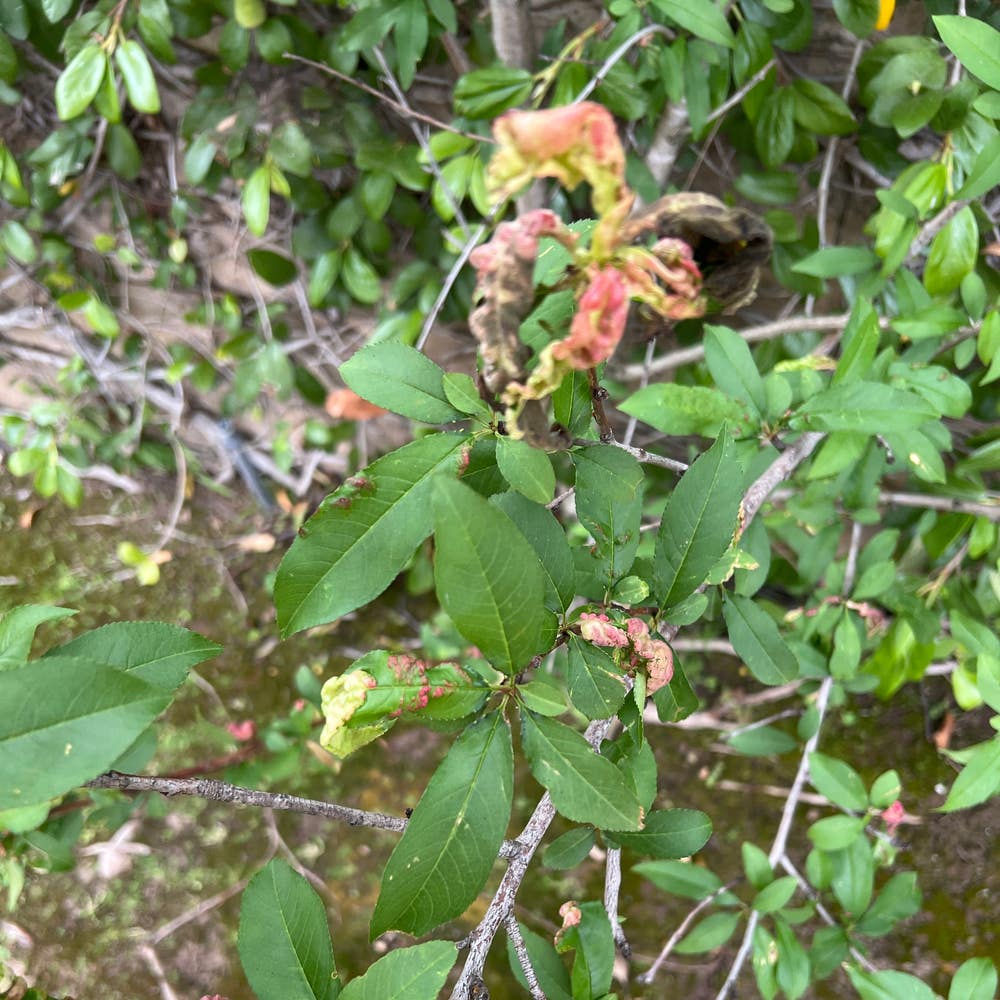
If fungal issues like leaf curl or brown rot arise, fungicides can be a helpful remedy. Applying these treatments promptly can prevent further damage and promote recovery.
Pruning affected areas also improves air circulation, which is vital for preventing fungal growth. Regular maintenance can significantly enhance your tree's resilience.
🔍 General Maintenance
Regular inspection of your nectarine tree is essential for early detection of symptoms. Prompt treatment of any issues can prevent droopy leaves and maintain overall health.
By staying proactive, you can ensure your nectarine tree thrives and produces healthy foliage. With the right care, your tree can bounce back from droopiness and flourish beautifully.
As we move forward, let’s explore how to prevent droopy leaves from occurring in the first place.
Preventing Droopy Leaves
🌊 Best Practices for Watering
Establishing a consistent watering routine is crucial for preventing droopy leaves on your nectarine tree. Monitor soil moisture regularly to ensure it remains consistently moist but not soggy.
Mulching around the base of the tree can significantly help retain soil moisture. This simple practice not only conserves water but also regulates soil temperature, promoting healthier root growth.
🌱 Soil Preparation and Amendments
Choosing the right soil type is essential for your nectarine's health. Well-drained sandy loam is ideal, as it allows for proper drainage while retaining necessary nutrients.
Incorporating soil amendments like compost and organic matter can enhance fertility. These additions improve soil structure and provide essential nutrients, ensuring your tree thrives.
🐛 Regular Monitoring for Pests and Diseases
Routine inspections of your nectarine tree can help catch potential issues early. Look for signs of pests and diseases, such as discoloration or unusual leaf shapes.
Early intervention is key to preventing droop. Addressing problems promptly can save your tree from stress and promote robust growth.
🍂 Seasonal Care Tips
Adjusting your care practices according to seasonal changes is vital for maintaining tree health. Be mindful of watering needs, as they may vary with temperature and rainfall.
Proper pruning and shaping are also essential. This not only improves airflow around the leaves but also encourages healthy growth and fruit production.
By implementing these preventive measures, you can keep your nectarine tree healthy and vibrant, reducing the risk of droopy leaves. Next, let’s explore effective treatments for droopy leaves when they do occur.
⚠️ Safety First
This content is for general information and may contain errors, omissions, or outdated details. It is not medical, veterinary advice, or an endorsement of therapeutic claims.
Always consult a qualified healthcare professional before using any plant as food, medicine, or supplement.
Never eat any plant (or feed one to pets) without confirming its identity with at least two trusted sources.
If you suspect poisoning, call Poison Control (800) 222-1222, the Pet Poison Helpline (800) 213-6680, or your local emergency service immediately.
Spotted an error? Please report it here.
Keep your nectarine tree thriving 🌱 by using Greg's tailored care reminders to master watering, nutrients, and pest control for vibrant, droop-free leaves!