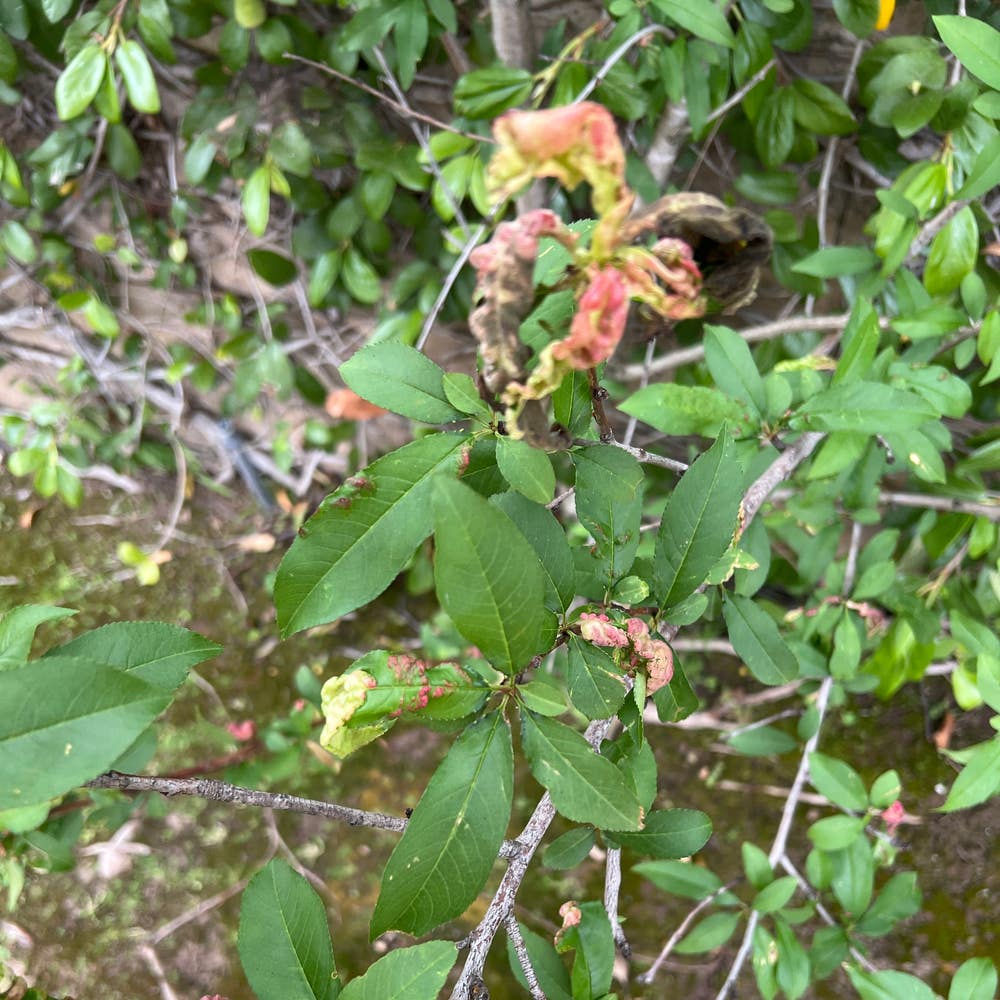
Understanding Black Spots on Your Nectarine Leaves 🍑
Prunus persica
By the Greg Editorial Team
Nov 22, 2024•7 min read
This article was created with the help of AI so we can cover more plants for you. May contain errors. See one? Report it here.
- 🌱 Black spots on nectarine leaves stem from fungal, bacterial, or nutrient issues.
- 🔍 Identifying black spots is crucial; fungal spots are round, bacterial are irregular.
- 💧 Proper watering and seasonal care prevent black spots and promote tree health.
Causes of Black Spots
🦠 Fungal Infections
Fungal infections are a common culprit behind black spots on nectarine leaves. One notable example is Coryneum blight, which manifests as black spots surrounded by a reddish halo.
These fungi thrive in conditions of high humidity and poor air circulation. If your garden is prone to these factors, be vigilant.
🦠 Bacterial Infections
Bacterial infections can also lead to unsightly black spots. The bacterial leaf spot presents as dark, water-soaked spots that may ooze, indicating a serious issue.
These bacteria flourish in wet foliage and high moisture environments. Keeping your plants dry can help mitigate this risk.
🌪️ Environmental Stress
Environmental stress plays a significant role in leaf health. Drought stress can cause wilting leaves and make your nectarine trees more susceptible to diseases.
Conversely, overwatering can lead to leaf yellowing and root rot, which often results in black spots. Finding the right balance in watering is crucial.
🥦 Nutrient Deficiencies
Nutrient deficiencies can also manifest as black spots on leaves. A potassium deficiency typically results in marginal leaf scorch alongside black spots.
On the other hand, a magnesium deficiency leads to interveinal chlorosis and leaf drop. Regular soil testing can help you identify and address these deficiencies early.
Understanding these causes is essential for effective management of black spots on your nectarine leaves. With the right knowledge, you can take proactive steps to maintain the health of your trees.
Next, we will explore how to diagnose these black spots effectively.
Diagnosing Black Spots
🕵️♂️ Identifying the Type of Black Spots
Understanding the type of black spots on your nectarine leaves is crucial for effective treatment.
Characteristics of Fungal vs. Bacterial Spots
Fungal spots are typically round, dark, and may exhibit a reddish halo. In contrast, bacterial spots are irregular, water-soaked, and can ooze, indicating a different underlying issue.
📅 Seasonal Patterns of Appearance
The timing of these infections can provide valuable clues. Fungal infections are more prevalent in humid conditions during late spring and summer, while bacterial infections often emerge after heavy rains or irrigation.
🛠️ Tools and Methods for Diagnosis
Accurate diagnosis is key to managing black spots effectively.
Visual Inspection Techniques
Start with a thorough visual inspection. Examine the undersides of leaves for signs of pests or fungal growth, and look for patterns in leaf damage across the tree to identify the extent of the problem.
Laboratory Testing Options
If visual inspection isn't conclusive, consider sending samples to a plant pathology lab. Identifying the specific pathogen is vital for implementing the most effective treatment strategy.
By understanding how to diagnose black spots, you can take proactive steps to protect your nectarine trees. Next, we’ll explore various treatment options to combat these pesky spots.
Treatment Options
When it comes to treating black spots on your nectarine leaves, there are various methods to consider. These can be broadly categorized into organic treatments, chemical options, and cultural practices that promote overall leaf health.
🌱 Organic Treatment Methods
Neem Oil Application
Neem oil is a popular organic solution for managing leaf spot diseases. Apply it every 7-14 days during active growth, ensuring thorough coverage of the leaves for maximum effectiveness.
Baking Soda Solution
A simple baking soda solution can also help combat fungal infections. Mix 1 tablespoon of baking soda with 1 gallon of water and apply it early in the morning or late in the afternoon to prevent leaf burn.
Copper Fungicides
Copper fungicides are effective as a preventive measure against various leaf spot diseases. Always follow the label instructions for application rates and timing to ensure optimal results.
🧪 Chemical Treatment Options
Recommended Fungicides for Nectarines
If organic methods aren't sufficient, consider chemical fungicides specifically designed for nectarines. Apply these products early in the season, ideally before symptoms appear, to protect your trees effectively.
🌳 Cultural Practices to Improve Leaf Health
Proper Watering Techniques
Watering practices play a crucial role in leaf health. Aim for deep watering once a week, adjusting based on rainfall, and always water at the base of the tree to avoid wet foliage.
Pruning for Air Circulation
Pruning is essential for maintaining good air circulation around your nectarine trees. Perform this task in late winter or early spring, removing crowded branches and any dead wood to promote healthy growth.
By implementing these treatment options and cultural practices, you can effectively manage black spots on your nectarine leaves and foster a thriving tree. Next, let’s explore how to prevent these issues from arising in the first place.
Preventing Black Spots
🌳 Best Practices for Nectarine Care
Taking proactive steps in caring for your nectarine trees can significantly reduce the risk of black spots. Implementing best practices ensures your trees remain healthy and resilient against diseases.
Soil Health and Amendments
Regular soil testing is crucial for understanding nutrient levels in your garden. By knowing what your soil lacks, you can make informed amendments, such as adding organic matter to improve soil structure and promote healthy root growth.
Mulching and Its Benefits
Using organic mulch, like wood chips or straw, offers multiple benefits. It retains moisture, suppresses weeds, and enhances soil health, creating a more favorable environment for your nectarine trees.
🌦️ Seasonal Care Tips
Seasonal maintenance is key to preventing black spots on your nectarine leaves. By adjusting your care routine throughout the year, you can effectively manage potential issues.
Spring and Summer Maintenance
During spring and summer, conduct regular inspections of your trees to catch early signs of disease and pests. Additionally, applying a balanced fertilizer in early spring provides essential nutrients for robust growth.
Fall Preparations to Reduce Disease Risk
As fall approaches, prioritize leaf cleanup by removing fallen leaves. This practice prevents overwintering pathogens that could harm your trees come spring. Also, amend the soil before winter dormancy to prepare for the next growing season.
👀 Monitoring and Early Intervention Strategies
Regular monitoring is essential for early detection of potential issues. By staying vigilant, you can address problems before they escalate.
Regular Inspections for Early Signs of Disease
Aim for bi-weekly inspections during the growing season. Look for signs like discoloration, wilting, or unusual leaf spots, which can indicate underlying issues that need attention.
Importance of Maintaining Tree Vigor
Maintaining tree vigor is vital for overall health. Practices such as proper fertilization, consistent watering, and strategic pruning help your nectarine trees thrive and resist diseases effectively.
By following these preventive measures, you can foster a healthy environment for your nectarine trees, reducing the likelihood of black spots and ensuring a bountiful harvest. Next, let’s explore common misconceptions surrounding black spots and their causes.
Common Misconceptions
🕵️♂️ Myths About Black Spots
When it comes to black spots on nectarine leaves, many gardeners jump to conclusions. A common misconception is that these spots are always caused by pests, but that's not the whole story.
In reality, many leaf spots stem from diseases, particularly fungal and bacterial infections. Understanding this distinction is crucial for effective treatment and prevention.
🚰 Overwatering Myths and Their Impact on Leaf Health
Another prevalent myth is that overwatering is harmless. In truth, excessive watering can lead to root rot, which significantly exacerbates leaf spot issues.
Proper watering practices are essential for maintaining tree health. Striking the right balance can prevent a cascade of problems, ensuring your nectarine tree thrives.
By debunking these myths, you can better care for your nectarine trees and promote their overall health. Next, let’s explore effective prevention strategies to keep those black spots at bay.
⚠️ Safety First
This content is for general information and may contain errors, omissions, or outdated details. It is not medical, veterinary advice, or an endorsement of therapeutic claims.
Always consult a qualified healthcare professional before using any plant as food, medicine, or supplement.
Never eat any plant (or feed one to pets) without confirming its identity with at least two trusted sources.
If you suspect poisoning, call Poison Control (800) 222-1222, the Pet Poison Helpline (800) 213-6680, or your local emergency service immediately.
Spotted an error? Please report it here.
Keep your nectarine trees thriving 🍑 by using Greg's tailored care reminders to tackle black spots and ensure a healthy harvest!