Understanding Why Your Nectarine Has Yellow Leaves 🍑
Prunus persica
By the Greg Editorial Team
Nov 22, 2024•6 min read
This article was created with the help of AI so we can cover more plants for you. May contain errors. See one? Report it here.
- 🌱 Yellow leaves indicate issues like nutrient deficiencies, pests, or environmental stress.
- 💧 Overwatering and underwatering both cause yellowing; maintain a consistent watering routine.
- 🐜 Pests like aphids can lead to yellowing; manage them with beneficial insects or insecticidal soap.
Causes of Yellow Leaves
🌱 Nutrient Deficiencies
Nitrogen Deficiency
Nitrogen deficiency is a common issue that manifests as pale green to yellow leaves, especially in older foliage. This deficiency can significantly reduce both growth and fruit yield, making it crucial to address promptly.
To remedy nitrogen deficiency, apply a nitrogen-rich fertilizer. This simple action can rejuvenate your nectarine tree and promote healthier growth.
Iron Chlorosis
Iron chlorosis presents itself through yellowing between leaf veins while the veins remain green. This condition typically affects younger leaves first, leading to stunted growth if not addressed.
To combat iron chlorosis, use chelated iron supplements or iron-rich fertilizers. This will help restore the necessary nutrients for your tree's vitality.
🌍 Environmental Stress
Overwatering
Overwatering can lead to yellowing leaves, wilting, and even root rot. This often occurs due to poor drainage or excessive rainfall, which saturates the soil.
To alleviate overwatering issues, adjust your watering schedule and improve soil drainage. These steps will help your tree breathe and thrive.
Underwatering
Conversely, underwatering results in wilting, yellowing, and leaf drop. Inconsistent watering, particularly during fruit development, can exacerbate these symptoms.
Establishing a consistent watering routine is essential for preventing underwatering. This will ensure your tree receives adequate moisture throughout its growth cycle.
Temperature Extremes
Temperature extremes can cause leaf scorch or yellowing due to heat stress. Sudden temperature changes or prolonged heat can significantly impact your tree's health.
To protect against temperature extremes, provide shade during intense heat and use mulch to retain soil moisture. These measures will help your tree cope with environmental stressors.
🐛 Pests and Diseases
Aphids and Their Impact
Aphids can wreak havoc on your nectarine tree, causing symptoms like curling leaves, sticky residue, and yellowing. These pests weaken the tree and can lead to further stress if not managed.
To combat aphids, introduce beneficial insects or apply insecticidal soap. These methods can effectively control the infestation and promote recovery.
Fungal Infections
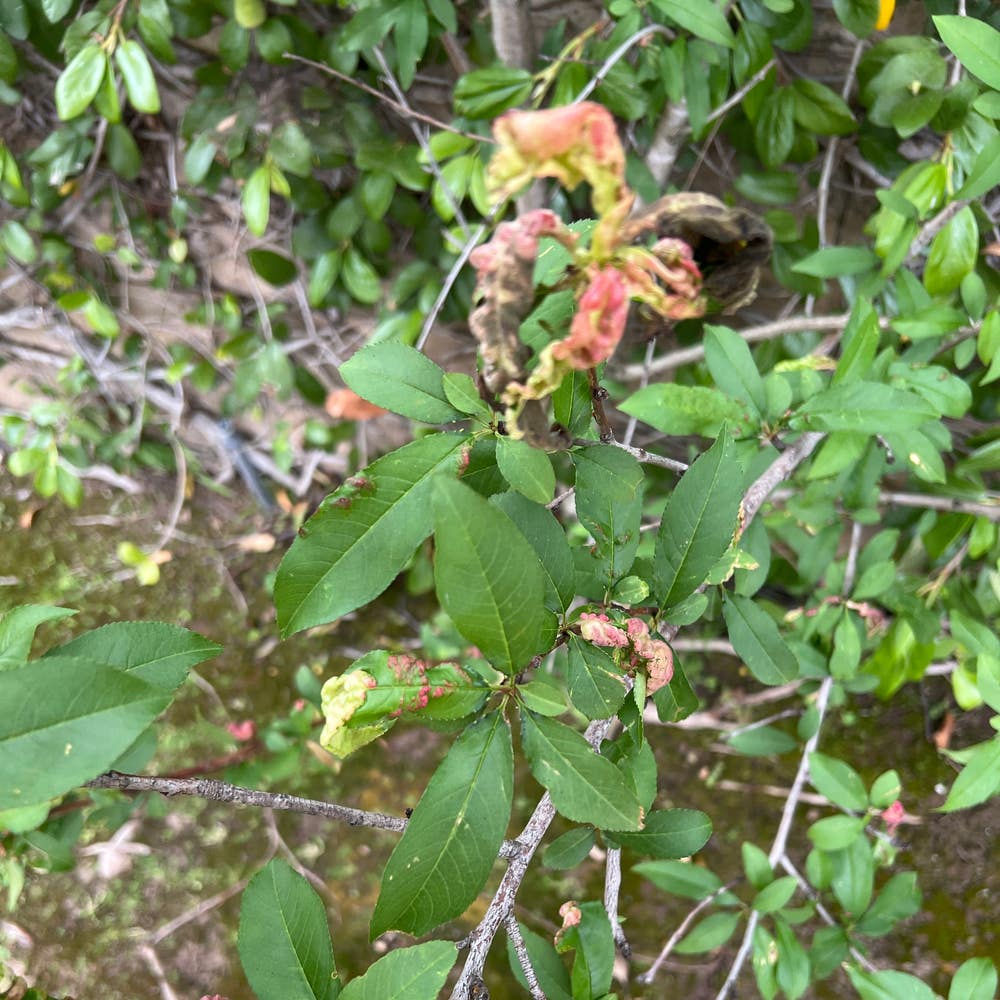
Fungal infections can lead to distorted leaves, yellowing, and leaf drop. Such infections can severely affect tree health and fruit production if left untreated.
Applying fungicides during the dormant season and ensuring proper air circulation are key actions to take. These steps will help maintain your tree's health and productivity.
Understanding the causes of yellow leaves is vital for maintaining a healthy nectarine tree. By addressing nutrient deficiencies, environmental stress, and pest issues, you can ensure your tree thrives and produces abundant fruit. Next, we will explore how to diagnose yellow leaves effectively.
Diagnosing Yellow Leaves
Visual Symptoms to Look For 🌿
When diagnosing yellow leaves on your nectarine tree, start by observing the leaf color changes. Look for specific shades of yellow and any patterns that might indicate underlying issues.
Next, examine the leaf texture. Are the leaves curling, spotted, or showing lesions? These physical changes can provide crucial clues about the health of your tree.
Finally, consider the leaf location. Are the older leaves affected, or is it the younger growth? This distinction can help narrow down the cause of the yellowing.
Differentiating Between Nutrient Issues and Pests 🐛
To effectively diagnose the problem, differentiate between nutrient issues and pests. Nutrient deficiencies often present as uniform yellowing across the leaves or specific patterns like chlorosis, where the veins remain green.
On the other hand, pest issues typically show visible signs. Look for sticky residue, distorted leaves, or even the pests themselves. Identifying these symptoms early can save your tree from further stress and damage.
Understanding these visual cues and differences will set you on the right path to restoring your nectarine's health. Next, let’s explore treatment options to address these yellowing leaves effectively.
Treatment Options
🌱 Fertilization Strategies
Organic vs. Synthetic Fertilizers
When it comes to fertilizing your nectarine tree, you have two main options: organic and synthetic fertilizers. Organic choices include compost, manure, and various organic fertilizers, which enrich the soil naturally and improve its structure.
On the other hand, synthetic fertilizers provide a quick nutrient boost with balanced NPK ratios. They can be effective but may require careful application to avoid over-fertilization.
Recommended Nutrient Ratios
For balanced growth, a general recommendation is to use a 10-10-10 NPK fertilizer. However, it's essential to adjust these ratios based on soil test results to meet your tree's specific needs.
💧 Watering Techniques
Proper Watering Schedule
Establishing a proper watering schedule is crucial for your tree's health. Water deeply once a week during dry spells to ensure the roots receive adequate moisture.
Timing is also important; aim to water early in the morning or late in the afternoon to minimize evaporation and maximize absorption.
Signs of Overwatering vs. Underwatering
Recognizing the signs of overwatering is vital. Look for yellowing leaves, wilting, and root rot as indicators of too much water.
Conversely, underwatering can lead to wilting, yellowing, and leaf drop. Maintaining a consistent watering routine can help prevent these issues.
🐞 Pest Management
Natural Pest Control Methods
To manage pests effectively, consider natural methods first. Introducing beneficial insects like ladybugs and lacewings can help keep harmful pests at bay.
Additionally, using neem oil or insecticidal soap can provide effective treatment without harming beneficial insects.
Chemical Treatments and Their Application
If natural methods aren't enough, chemical treatments may be necessary. Timing is crucial; apply these treatments during the early stages of infestation for the best results.
Always follow label instructions for safe application to protect your tree and the surrounding environment.
With these treatment options in hand, you can take proactive steps to ensure your nectarine tree thrives. Next, let’s explore preventive measures to keep your tree healthy year-round.
Preventive Measures
🌱 Soil Health and Amendments
Importance of Soil Testing
Regular soil testing is essential for maintaining the health of your nectarine trees. Aim to test your soil every 2-3 years to assess pH, nutrient levels, and organic matter content.
Recommended Soil Amendments
To enhance soil quality, consider adding compost, well-rotted manure, or lime. These amendments help adjust pH and improve nutrient availability, ensuring your trees thrive.
🍂 Seasonal Care Tips
Best Practices for Spring and Fall
In spring, focus on fertilizing and pruning to encourage robust growth. As fall approaches, prepare your trees for winter by mulching and inspecting for pests to keep them healthy.
Pruning Techniques to Promote Health
Timing is crucial when it comes to pruning. Late winter or early spring is ideal for removing dead or diseased wood and thinning crowded branches, promoting better air circulation and growth.
By implementing these preventive measures, you can significantly enhance the health and productivity of your nectarine trees. This proactive approach sets the stage for successful growth and minimizes the risk of yellow leaves in the future.
Next, let's explore effective monitoring and maintenance strategies to ensure your trees remain in peak condition.
Monitoring and Maintenance
Regular Inspection Routines 🌿
To keep your nectarine tree healthy, inspect it bi-weekly during the growing season. Focus on identifying signs of yellowing leaves, pest infestations, and overall tree health.
Signs of Recovery and Ongoing Care 🌱
Watch for indicators of recovery, such as new growth, returning leaf color, and increased vigor. Continued care is essential; maintain consistent watering and fertilization schedules to support your tree's health.
By staying vigilant and proactive, you can ensure your nectarine tree thrives and produces delicious fruit. Next, let's explore effective treatment options to address any issues you may encounter.
⚠️ Safety First
This content is for general information and may contain errors, omissions, or outdated details. It is not medical, veterinary advice, or an endorsement of therapeutic claims.
Always consult a qualified healthcare professional before using any plant as food, medicine, or supplement.
Never eat any plant (or feed one to pets) without confirming its identity with at least two trusted sources.
If you suspect poisoning, call Poison Control (800) 222-1222, the Pet Poison Helpline (800) 213-6680, or your local emergency service immediately.
Spotted an error? Please report it here.
Transform your nectarine tree's health and blooming potential 🍑 with Greg's tailored care reminders and nutrient tips that keep those yellow leaves at bay!