Managing Direct Sunlight for Your Nectarine ☀️
Prunus persica
By the Greg Editorial Team
Nov 22, 2024•5 min read
This article was created with the help of AI so we can cover more plants for you. May contain errors. See one? Report it here.
- ☀️ Nectarines need 6-8 hours of direct sunlight for optimal growth and fruiting.
- 🌞 Excessive sunlight can cause leaf scorch and sunburned fruit; manage exposure carefully.
- 🏠 South and west-facing windows are best for maximizing sunlight for your nectarine.
Definition of Direct Sunlight
🌞 What is Direct Sunlight?
Direct sunlight is sunlight that comes straight from the sun without any obstruction, such as clouds or buildings. Imagine standing outside on a clear, sunny day; the sun is shining directly on you, providing that intense warmth.
🌤️ What is Indirect Sunlight?
Indirect sunlight, on the other hand, is sunlight that has been diffused or reflected. Picture being in a room with a window where the sun shines in, but the light is softer and less intense because it bounces off walls or curtains.
⚖️ Comparison of Direct vs. Indirect Sunlight
When comparing the two, direct sunlight is significantly stronger and hotter than its indirect counterpart. This intensity can lead to faster growth and fruiting in plants, while indirect sunlight offers a gentler touch that can help prevent stress and damage.
Understanding these differences is crucial for managing the sunlight needs of your nectarine tree effectively. By knowing how to balance direct and indirect sunlight, you can create an optimal environment for your plant's growth and fruit production.
Nectarine and Direct Sunlight
🌞 Does Nectarine Need Direct Sunlight?
Nectarines thrive on direct sunlight, requiring at least 6-8 hours daily for optimal growth and fruit production. This sunlight is crucial for photosynthesis, allowing the tree to convert light into energy effectively.
☀️ Can Nectarine Tolerate Direct Sunlight?
While nectarines can tolerate direct sunlight, they are sensitive to excessive exposure. Ideally, they flourish in bright, direct sunlight during the day, particularly in temperate climates where conditions are just right.
🔥 Effects of Too Much Direct Sunlight on Nectarine
Excessive direct sunlight can lead to leaf scorch, where leaves turn brown and crispy. Additionally, overexposure can cause sunburned fruit, resulting in blemishes and a decline in quality.
Understanding the balance of sunlight is essential for nurturing healthy nectarines. Next, we’ll explore the environmental factors that influence sunlight exposure for your nectarine tree.
Environmental Factors
🌞 Role of Window Direction in Sunlight Exposure
Understanding how window direction affects sunlight exposure is crucial for nurturing your Nectarine.
South-Facing Windows
South-facing windows are the champions, receiving the most direct sunlight throughout the day. This makes them ideal for growing Nectarines, ensuring they soak up the rays they need.
East-Facing Windows
East-facing windows provide lovely morning sunlight. While this is beneficial, it may not be sufficient for full growth, especially as the day progresses.
West-Facing Windows
West-facing windows deliver strong afternoon sunlight. This can be intense, so you might need to manage the exposure to prevent stress on your Nectarine.
North-Facing Windows
North-facing windows typically receive the least sunlight. They are often not suitable for growing Nectarines indoors, as these trees crave more light.
🌍 Impact of Hemisphere on Sunlight Intensity
The hemisphere you’re in plays a significant role in sunlight intensity and exposure.
Northern Hemisphere
In the Northern Hemisphere, sunlight is more intense during the summer months. Nectarines may require protection from the harsh midday sun to thrive.
Southern Hemisphere
Similarly, in the Southern Hemisphere, seasonal variations affect sunlight exposure and intensity. Adjustments may be necessary to ensure your Nectarines receive the right amount of light year-round.
Understanding these environmental factors will help you create the perfect conditions for your Nectarine to flourish. Next, let’s explore the signs of sunlight stress and how to identify them.
Signs of Sunlight Stress
🌞 Identifying Sunburn on Nectarine Leaves
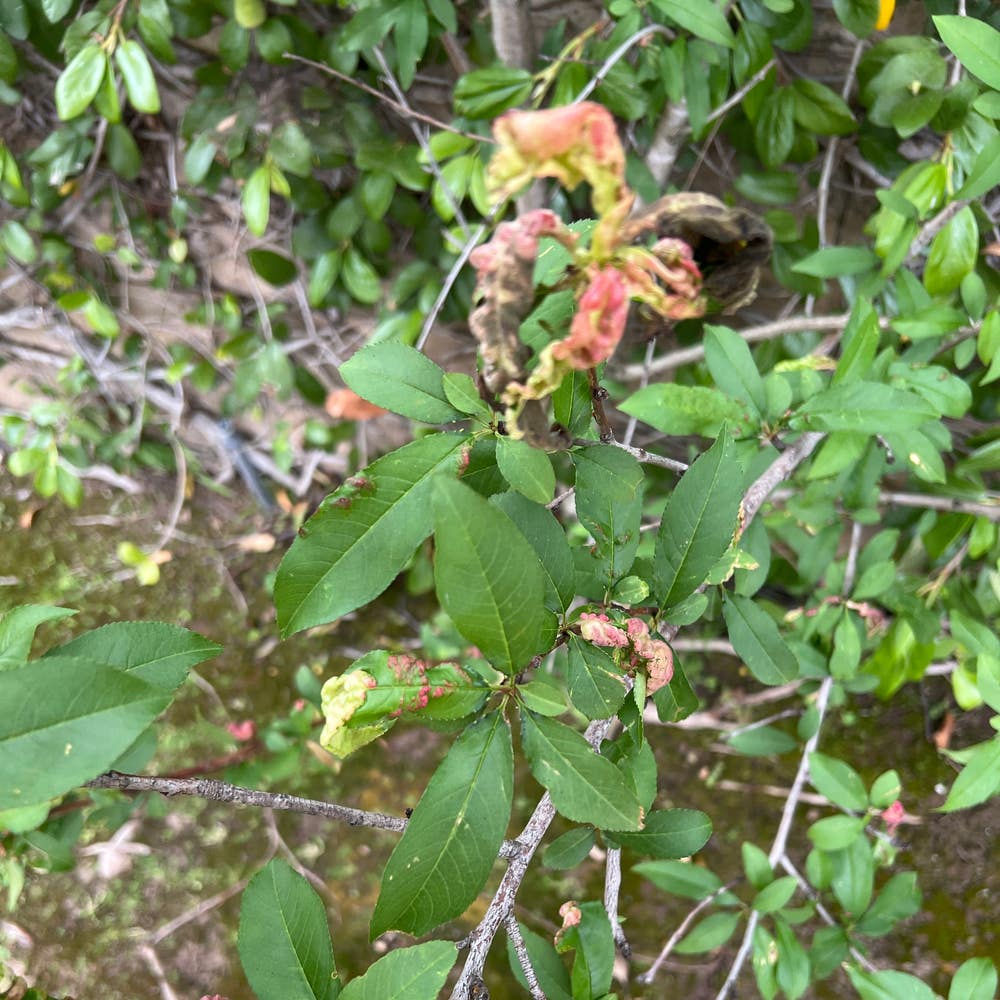
Sunburn on nectarines is a clear sign that your tree is struggling with too much direct sunlight. Look for symptoms like brown, crispy edges on the leaves, which often start from the tips and can spread if not addressed.
To prevent sunburn, ensure your nectarines receive adequate watering. Providing some shade during peak sunlight hours can also help protect the leaves from scorching.
🌑 Symptoms of Insufficient Sunlight
On the flip side, insufficient sunlight can lead to a range of issues for your nectarines. Signs include slow growth, small or misshapen fruit, and pale leaves that lack vibrancy.
Monitoring light exposure is crucial for healthy growth. By keeping an eye on these symptoms, you can adjust your care routine to ensure your nectarines thrive.
Understanding these signs of sunlight stress will help you maintain the health of your nectarines. Next, we’ll explore best practices for managing sunlight exposure effectively.
Best Practices for Sunlight Management
🌞 How to Position Nectarine for Optimal Sunlight
To ensure your nectarine thrives, position it near south or west-facing windows. This placement maximizes exposure to direct sunlight, which is crucial for healthy growth.
Additionally, make sure there's enough space around the tree. This allows light to reach the lower branches, promoting even growth throughout the plant.
📅 Adjusting Light Exposure Seasonally
As the seasons change, so should the position of your nectarine. Regularly monitor its location to optimize sunlight exposure, especially during the peak growing months.
In winter, remember that your nectarine's sunlight needs decrease. Adjust its placement accordingly to prevent stress during dormancy.
🪟 Using Sheer Curtains or Shades to Manage Light
To manage harsh sunlight, consider using sheer curtains. They soften the intensity while still allowing adequate light for your nectarine's growth.
Adjustable shades are another great option. They give you control over light intensity throughout the day, ensuring your plant receives just the right amount of sunlight.
By following these best practices, you can create an ideal environment for your nectarine. This will help it flourish and produce delicious fruit, setting the stage for the next section on identifying signs of sunlight stress.
⚠️ Safety First
This content is for general information and may contain errors, omissions, or outdated details. It is not medical, veterinary advice, or an endorsement of therapeutic claims.
Always consult a qualified healthcare professional before using any plant as food, medicine, or supplement.
Never eat any plant (or feed one to pets) without confirming its identity with at least two trusted sources.
If you suspect poisoning, call Poison Control (800) 222-1222, the Pet Poison Helpline (800) 213-6680, or your local emergency service immediately.
Spotted an error? Please report it here.
Maximize your nectarine's growth with smart sunlight management ☀️—let Greg guide you with tailored tips for the perfect balance of light and water!