Nectarine Buds Falling off 🍑
Prunus persica
By the Greg Editorial Team
Nov 22, 2024•6 min read
This article was created with the help of AI so we can cover more plants for you. May contain errors. See one? Report it here.
- 🌱 Environmental stressors like drought and frost cause premature nectarines flower drop.
- 🐝 Insufficient pollination from low pollinator activity leads to fewer flowers on nectarines.
- 🌞 Nutritional balance and sunlight are crucial for healthy flower development in nectarines.
Premature Flower Drop
🌱 Causes
Premature flower drop in nectarines can be frustrating for any gardener. Several environmental stressors can lead to this issue, including drought or excessive moisture, which weaken the trees.
Temperature fluctuations also play a significant role. Late frosts or unseasonably warm weather can affect the viability of buds, causing them to drop prematurely.
Nutritional deficiencies are another culprit. A lack of essential nutrients, particularly nitrogen and potassium, can hinder flower development and lead to drop.
Lastly, pollination problems can contribute to this issue. Insufficient pollinator activity or poor pollen quality can prevent successful fertilization, resulting in flower drop.
🛠️ Solutions
Fortunately, there are several easy solutions to mitigate premature flower drop. First, implementing consistent watering practices can help avoid drought stress, ensuring your trees remain healthy.
Protecting blossoms from late frosts is also crucial. Using row covers or windbreaks can shield delicate flowers from unexpected temperature drops.
Conducting soil tests is essential for identifying nutritional deficiencies. Once you know what your soil lacks, you can apply appropriate fertilizers to support healthy growth.
Finally, encouraging pollinator activity can make a significant difference. Planting companion flowers nearby can attract bees and other pollinators, improving the chances of successful fertilization.
By addressing these causes and implementing these solutions, you can help your nectarines thrive and enjoy a bountiful harvest. Next, let’s explore the reasons behind failure to bloom.
Failure to Bloom
Reasons 🌞
One of the primary reasons nectarines fail to bloom is insufficient sunlight. These trees thrive on full sun, needing at least 6-8 hours of direct light daily to produce vibrant flowers.
Another common culprit is over-fertilization. While nutrients are essential, too much nitrogen can lead to lush green growth, overshadowing the flowers that should be blooming.
Improper pruning also plays a significant role in flower production. If done incorrectly, it can remove potential flower buds, leaving you with fewer blooms.
Remedies 🛠️
To tackle these issues, start by assessing your tree's light exposure. If it's not getting enough sun, consider relocating it to a sunnier spot.
Next, adjust your fertilization practices. Focus on using balanced fertilizers with lower nitrogen content to encourage flowering rather than excessive foliage.
Finally, invest time in learning proper pruning techniques. This will help maintain healthy bud development and ensure your nectarines bloom beautifully.
By addressing these factors, you can significantly improve your chances of a vibrant flowering season. Now, let’s explore how environmental factors, like light and nutrition, further influence your nectarines' blooming potential.
Abnormal Flower Development
🌼 Identifying Issues
Abnormal flower development can be a gardener's nightmare. Look out for signs like misshapen blooms, a lack of fragrance, or discoloration, which indicate that something is off.
Several factors can contribute to these issues. Nutrient imbalances, pest infestations, or diseases can all negatively impact flower health, leading to disappointing results.
🛠️ Corrective Measures
To tackle these problems, start with a thorough inspection of your plants. Look for pests and signs of disease, and treat them promptly to prevent further damage.
Next, consider adjusting your soil's pH and nutrient levels. Conducting soil tests can help you identify deficiencies and promote healthy flower development.
Lastly, implementing integrated pest management strategies is crucial. This approach combines monitoring, prevention, and control methods to keep infestations at bay, ensuring your flowers thrive.
By addressing these issues, you can encourage robust flower growth and enjoy a vibrant garden. Now, let’s explore how environmental factors like light and nutrition play a role in flower production.
Environmental Factors
Light Requirements 🌞
Importance of Sunlight
Sunlight is crucial for proper bud development and flowering in nectarines. Without adequate light, you may notice weak blooms and poor fruit set, which can be disappointing for any gardener.
Adjusting Exposure ((difficulty:easy))
To maximize sunlight exposure, consider pruning surrounding vegetation and placing trees in open areas. Additionally, monitor seasonal sun patterns and adjust tree placement as needed to ensure they receive optimal light throughout the year.
Nutritional Needs 🍽️
Essential Nutrients
Nectarines require key nutrients such as nitrogen, phosphorus, potassium, and various micronutrients for healthy growth. Balanced fertilization is essential to support both flower and fruit development, ensuring your trees thrive.
Fertilization Strategies ((difficulty:easy))
For best results, apply fertilizers in early spring before flowering begins. Slow-release formulations or organic options are ideal, as they promote steady growth and help maintain soil health.
Pruning Techniques ✂️
Impact on Flower Production
Pruning plays a significant role in flower production by influencing bud formation. Understanding the timing and technique of pruning can greatly affect your tree's yield, making it a vital practice for any gardener.
Best Practices ((difficulty:moderate))
To encourage healthy growth, thin out crowded branches and remove any dead or diseased wood. Aim to prune during late winter to early spring, just before new growth begins, to set your nectarines up for success.
By addressing these environmental factors, you can significantly improve the health and productivity of your nectarine trees. Next, let’s explore pest and disease management to further protect your blossoms.
Pest and Disease Management
🐜 Common Pests
Pests can wreak havoc on your nectarines, so it's crucial to identify them early. Look out for aphids, spider mites, and thrips, as these tiny invaders can damage your flowers significantly.
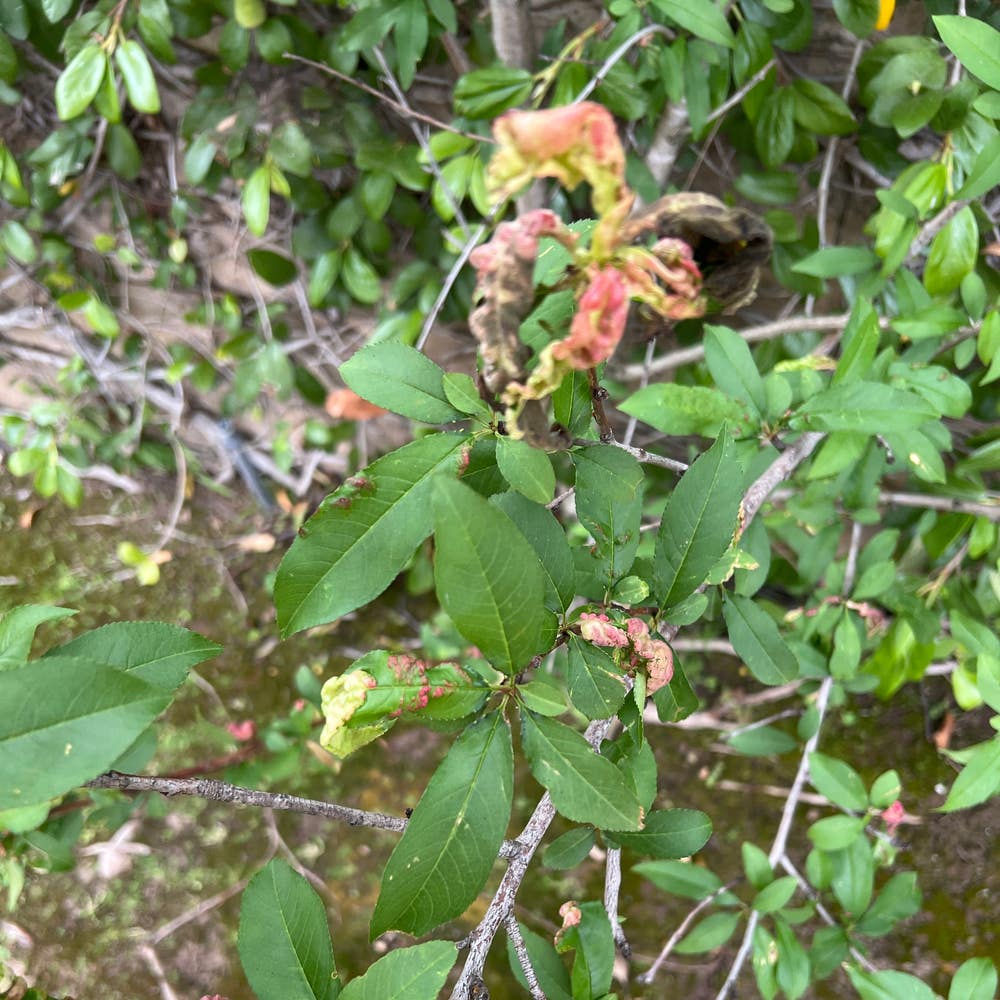
Signs of infestation include distorted flowers, sticky residue on leaves, and visible insects crawling around. If you notice any of these symptoms, it's time to take action.
🦠 Diseases
Nectarines are also susceptible to various diseases that can affect flower health. Common culprits include brown rot, bacterial spot, and powdery mildew.
Symptoms to watch for are wilting flowers, discoloration, and premature drop of buds. Recognizing these signs early can save your crop from further damage.
🔍 Integrated Management Strategies
Monitoring your trees regularly is key to catching pest and disease issues before they escalate. Early detection techniques, such as inspecting leaves and flowers closely, can help you stay one step ahead.
For organic control, consider using neem oil or insecticidal soap to combat pests. Additionally, introducing beneficial insects can create a natural balance in your garden, helping to keep harmful pests at bay.
By staying vigilant and employing these strategies, you can protect your nectarines and ensure a bountiful harvest. Next, let’s explore how environmental factors like light and nutrition play a vital role in your tree's health.
⚠️ Safety First
This content is for general information and may contain errors, omissions, or outdated details. It is not medical, veterinary advice, or an endorsement of therapeutic claims.
Always consult a qualified healthcare professional before using any plant as food, medicine, or supplement.
Never eat any plant (or feed one to pets) without confirming its identity with at least two trusted sources.
If you suspect poisoning, call Poison Control (800) 222-1222, the Pet Poison Helpline (800) 213-6680, or your local emergency service immediately.
Spotted an error? Please report it here.
Keep your nectarines blooming beautifully 🌸 by using Greg's tailored care reminders and expert tips to ensure proper watering, nutrition, and pest management for a thriving garden!