What to Do About Brown Spots on Your Nectarine 🍑
Prunus persica
By the Greg Editorial Team
Nov 22, 2024•7 min read
This article was created with the help of AI so we can cover more plants for you. May contain errors. See one? Report it here.
- 🍑 Brown spots on nectarines stem from diseases, pests, or nutrient deficiencies.
- 🌧️ Bacterial and fungal issues thrive in warm, wet conditions; monitor your trees closely.
- 🌱 Preventive care like pruning and proper watering ensures healthy, resilient nectarine trees.
Causes of Brown Spots
🌱 Common Fungal Diseases
Leaf Curl
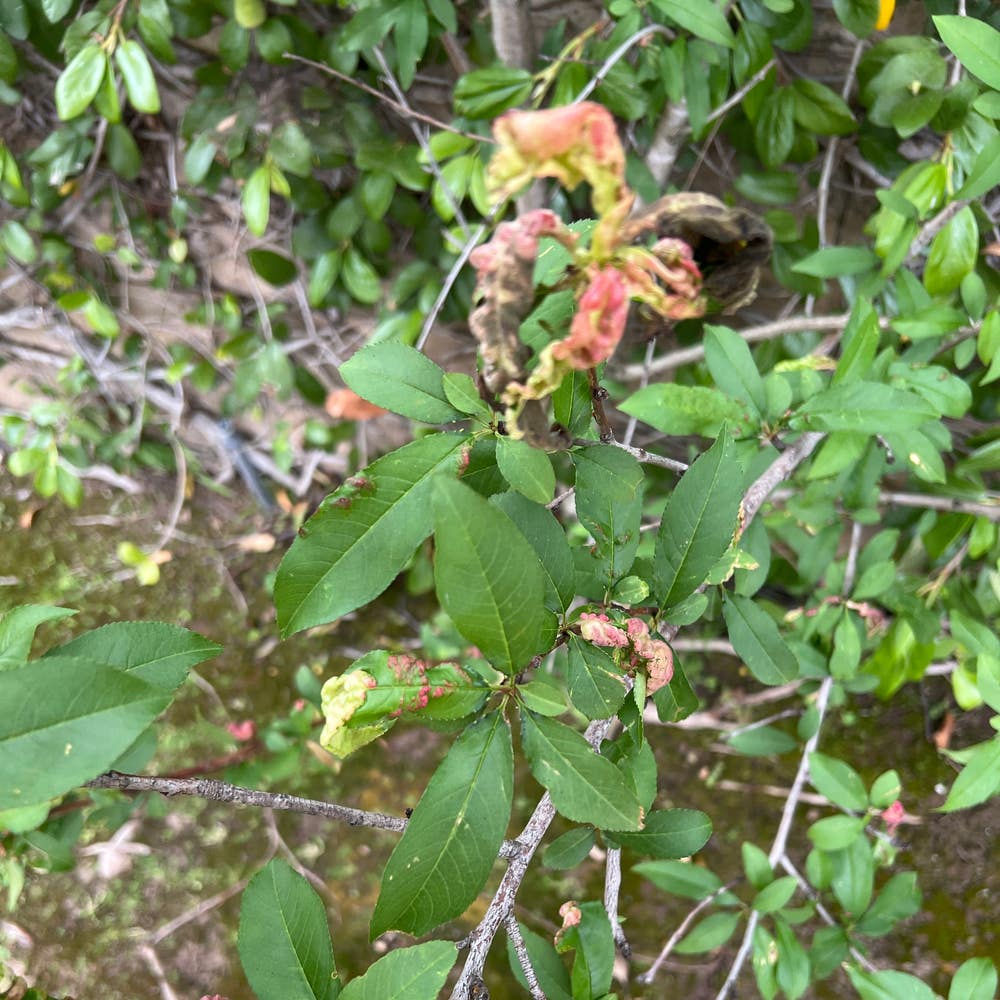
Leaf curl is a common fungal disease that manifests as distorted leaves with reddish-brown spots. This condition thrives in cool, wet springs, making it a frequent issue for nectarines during this time.
Brown Rot
Brown rot is another fungal concern, characterized by brown spots that can lead to leaf drop. High humidity and poor air circulation significantly worsen this disease, creating an environment ripe for infection.
🦠 Bacterial Infections
Bacterial Spot
Bacterial spot presents as dark brown to black spots surrounded by yellow halos. Warm, wet weather increases the likelihood of this infection, making it crucial to monitor conditions closely.
🥦 Nutrient Deficiencies
Nitrogen Deficiency
A nitrogen deficiency can lead to yellowing leaves adorned with brown spots. Nitrogen is essential for healthy foliage, and its absence can severely impact tree vitality.
Potassium Deficiency
Potassium deficiency results in marginal leaf burn and brown spots. This nutrient is vital for overall tree health and fruit development, so maintaining adequate levels is key.
🌧️ Environmental Stress Factors
Drought
Drought conditions cause leaf curling and browning, stressing the tree. Insufficient water not only affects growth but also makes the tree more vulnerable to diseases.
Overwatering
Conversely, overwatering leads to wilting and root rot. Excess moisture can suffocate roots, creating a breeding ground for fungal growth and further complicating tree health.
🐞 Pest Infestations
Aphids
Aphids are notorious for causing curling leaves and leaving a sticky residue. These pests weaken plants, making them more susceptible to diseases and other stressors.
Spider Mites
Spider mites create fine webbing and stippled leaves, leading to leaf discoloration and stress. Their presence can significantly impact the overall health of your nectarine tree.
Understanding these causes is essential for effective management of brown spots on your nectarines. By identifying the underlying issues, you can take proactive steps to ensure your trees remain healthy and productive.
Diagnosing Brown Spots
🦠 Identifying Symptoms of Specific Diseases
When it comes to diagnosing brown spots on your nectarine, understanding the symptoms of specific diseases is crucial. Leaf curl typically presents with distorted leaves and reddish-brown spots, while brown rot manifests as brown spots that may lead to leaf drop.
For bacterial issues, bacterial spot is characterized by dark brown to black spots surrounded by yellow halos. Recognizing these unique patterns helps in identifying the underlying problem.
🧪 Differentiating Between Fungal and Bacterial Issues
It's essential to differentiate between fungal and bacterial infections. Fungal infections often show fuzzy growth or a powdery appearance, while bacterial infections typically present as water-soaked lesions that may ooze.
Accurate diagnosis is vital for effective treatment. Misidentifying the issue can lead to ineffective remedies and further damage to your tree.
🌧️ Assessing Environmental Conditions Affecting Leaf Health
Environmental conditions play a significant role in leaf health. Start by evaluating soil moisture levels; too much or too little water can stress your tree.
Next, check for adequate sunlight exposure and air circulation. Poor conditions in these areas can exacerbate existing problems, making your tree more vulnerable to diseases.
🐛 Recognizing Pest Damage Versus Disease Symptoms
Distinguishing between pest damage and disease symptoms is key to effective management. Look for visual cues: pests like aphids cause curling leaves and sticky residue, while diseases often lead to discoloration and wilting.
Early detection is crucial. Identifying the problem sooner rather than later can save your tree from severe damage and ensure it remains healthy and productive.
With a solid understanding of these diagnostic steps, you're better equipped to tackle the brown spots on your nectarine. Next, we’ll explore various treatment options to help restore your tree's health.
Treatment Options
🌱 Organic Treatments
One effective organic treatment for brown spots on nectarines is neem oil. To apply, mix neem oil with water and spray it on the affected areas every 7-14 days during the active growth period.
Another great option is a baking soda solution. Simply combine 1 tablespoon of baking soda in 1 gallon of water and spray it on the leaves to help combat fungal infections.
⚗️ Chemical Fungicides and Bactericides
For those dealing with persistent issues, chemical fungicides and bactericides can be beneficial. Look for products specifically formulated to treat the diseases affecting your nectarines, and always follow the application guidelines and safety precautions provided on the label.
✂️ Proper Pruning Techniques
Pruning is crucial for maintaining good air circulation around your nectarines. Here’s how to prune effectively:
- Identify the affected branches.
- Use clean, sharp tools to avoid introducing new diseases.
- Cut back to healthy tissue to promote better growth.
💧 Watering Practices
Proper watering practices are essential to prevent root rot and stress in your nectarines. Aim for a consistent watering schedule that considers the soil moisture levels, ensuring your trees receive adequate hydration without becoming waterlogged.
By implementing these treatment options, you can effectively manage brown spots on your nectarines and promote healthier growth. Next, let’s explore preventive measures to keep your trees thriving year-round.
Preventive Measures
Best Practices for Watering and Fertilization 🌊
Proper watering is crucial for your nectarine tree's health. Aim to water deeply but infrequently, allowing the soil to dry out slightly between sessions.
Fertilization should be done in early spring and late summer. Use a balanced fertilizer to ensure your tree receives essential nutrients throughout the growing season.
Importance of Proper Spacing and Air Circulation 🌬️
Spacing your nectarine trees correctly is vital for their growth. Aim for at least 15 to 20 feet between trees to promote healthy air circulation.
Enhancing air circulation can be achieved by pruning lower branches and avoiding overcrowding. This helps reduce humidity around the leaves, minimizing the risk of fungal diseases.
Regular Monitoring for Pests and Diseases 🔍
Routine inspections are key to early detection of pests and diseases. Check your trees weekly for any unusual signs, such as discoloration or wilting.
Look for specific indicators like sticky residue from aphids or webbing from spider mites. Early intervention can save your tree from more severe damage.
Seasonal Care Tips to Strengthen Tree Health 🍂
Adjust your fertilization and watering practices based on the season. In spring, focus on promoting growth, while in late summer, shift to preparations for dormancy.
Maintaining overall tree vigor is essential. Healthy trees are more resilient against pests and diseases, ensuring a bountiful harvest year after year.
By implementing these preventive measures, you set your nectarine tree up for success. Next, we’ll explore seasonal considerations to keep your tree thriving throughout the year.
Seasonal Considerations
🌸 Spring Care
Spring is a crucial time for your nectarine tree. Implement pre-emergence prevention strategies to ward off potential diseases and pests.
Before leaf emergence, consider applying a protective fungicide. This proactive approach can help shield your tree from fungal infections that thrive in warmer weather.
☀️ Summer Monitoring and Treatment Strategies
As summer rolls in, regular monitoring becomes essential. Keep an eye out for pests and diseases, especially during peak growth when your tree is most vulnerable.
If you spot any issues, act quickly. Treatment options may include organic solutions like neem oil or chemical fungicides, depending on the severity of the problem.
🍂 Fall Cleanup and Preparation for Winter
Fall is the time for cleanup and preparation. Removing fallen leaves and debris is vital to prevent disease spread and keep your tree healthy.
To prepare your nectarine tree for winter dormancy, follow these steps: prune any dead or diseased branches and ensure the soil is well-drained. This will help your tree emerge strong and ready for the next growing season.
⚠️ Safety First
This content is for general information and may contain errors, omissions, or outdated details. It is not medical, veterinary advice, or an endorsement of therapeutic claims.
Always consult a qualified healthcare professional before using any plant as food, medicine, or supplement.
Never eat any plant (or feed one to pets) without confirming its identity with at least two trusted sources.
If you suspect poisoning, call Poison Control (800) 222-1222, the Pet Poison Helpline (800) 213-6680, or your local emergency service immediately.
Spotted an error? Please report it here.
Combat brown spots on your nectarines for lush, healthy trees 🌳 with Greg's tailored care reminders and expert tips that ensure your trees thrive all year round!