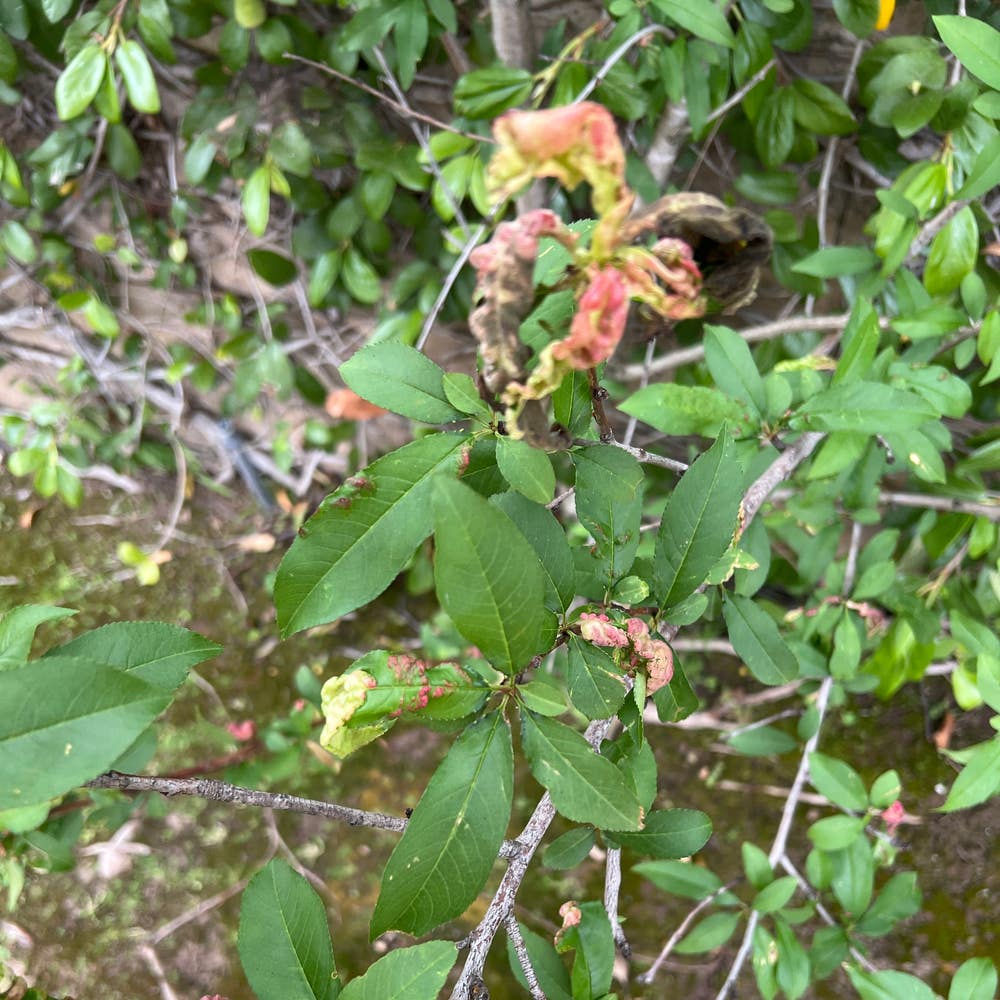
What to Do About Your Nectarine Wilting 😢
Prunus persica
By the Greg Editorial Team
Nov 22, 2024•6 min read
This article was created with the help of AI so we can cover more plants for you. May contain errors. See one? Report it here.
- 💧 Water stress causes wilting; adjust watering to be deeper but less frequent.
- 🌡️ Heat stress affects nectarines; provide shade during peak hours to protect plants.
- 🦠 Inspect for diseases and pests regularly to maintain healthy nectarine plants.
Common Causes of Wilting Leaves
💧 Water Stress
Water stress is a common issue for nectarines, resulting from either insufficient or excessive watering. This imbalance can lead to dehydration or root rot, causing leaves to curl, droop, or develop brown edges.
The impact of water stress is significant, as it affects the overall health of the plant and can severely reduce fruit production. Ensuring a consistent watering routine is crucial for maintaining vibrant, healthy leaves.
🌡️ Heat Stress
Heat stress occurs when nectarines are exposed to high temperatures, leading to physiological strain on the plant. Symptoms include wilting leaves, a sunburned appearance, and premature leaf drop.
This type of stress can diminish fruit quality and yield, making it essential to monitor temperature conditions. Providing adequate shade and hydration during peak heat can help mitigate these effects.
🦠 Disease-Related Wilting
While less common than water and heat stress, disease-related wilting can still affect nectarines. Common diseases include root rot, bacterial wilt, and various fungal infections.
Symptoms of disease-related wilting often manifest as sudden wilting, yellowing leaves, and stunted growth. Regular inspections for signs of disease can help catch issues early and maintain plant health.
Understanding these causes of wilting is the first step toward effective diagnosis and treatment. Next, we’ll explore how to diagnose wilting in your nectarine plants.
Diagnosing Wilting in Nectarine
Step-by-Step Guide to Diagnosis 🌱
Diagnosing wilting in your nectarine is crucial for restoring its health. Follow these steps to identify the underlying issues.
Assess Watering Habits: Start by checking the soil moisture levels. You can use a moisture meter or simply insert your finger 1-2 inches deep into the soil to gauge its dampness.
Evaluate Environmental Conditions: Next, observe the temperature and humidity around your plant. Take note of any recent weather changes or extreme conditions that could be affecting your nectarine.
Inspect for Pests and Diseases: Look closely for signs of infestation or fungal growth. Check the undersides of leaves and the soil for any abnormalities that might indicate a problem.
Examine Root Health: Gently remove the plant from its pot to inspect the roots. Healthy roots should be white and firm, while signs of rot include brown, mushy roots that need immediate attention.
By following these diagnostic steps, you can pinpoint the cause of wilting and take appropriate action. Understanding these factors will set the stage for effective solutions and help your nectarine thrive once again.
Solutions for Wilting Leaves
💧 Actionable Advice for Water Stress
Water stress can be a significant factor in wilting leaves. To combat this, adjust your watering schedule by watering deeply but less frequently, allowing the roots to absorb moisture effectively.
Incorporate organic matter into your soil to enhance moisture retention. Additionally, applying a 2-3 inch layer of mulch can help keep the soil moist and protect the roots from temperature fluctuations.
☀️ Actionable Advice for Heat Stress
Heat stress can wreak havoc on your nectarine tree. To alleviate this, provide shade using shade cloth during the hottest parts of the day, helping to shield your plant from direct sunlight.
You can also increase humidity around the plant by misting the leaves or using a nearby humidifier. Lastly, consider your watering techniques; water early in the morning or late in the evening to minimize evaporation and ensure your plant gets the moisture it needs.
🦠 Actionable Advice for Disease-Related Wilting
When it comes to disease-related wilting, identifying and treating the issue is crucial. Use the appropriate fungicides or bactericides as needed to combat any infections.
Improving drainage is essential to prevent root rot, so ensure your soil allows excess water to escape. If you notice any diseased leaves or branches, prune them away promptly to prevent the spread of the disease and encourage healthier growth.
By implementing these solutions, you can effectively address the wilting of your nectarine leaves and promote a thriving plant. Next, let’s explore preventive measures to minimize future wilting.
Preventive Measures
Tips to Minimize Future Wilting 🌱
Regular monitoring is key to keeping your nectarine healthy. Check moisture levels and environmental conditions frequently to catch any issues early.
Seasonal adjustments can make a significant difference. Modify your care routines based on seasonal changes to ensure your plant thrives year-round.
Fertilization plays a crucial role in promoting healthy growth. Use balanced fertilizers to provide essential nutrients that support your nectarine's vitality.
By implementing these preventive measures, you can help your nectarine resist wilting and maintain its lush appearance. This proactive approach sets the stage for a fruitful growing season ahead.
Reviving a Wilted Nectarine
🌊 Techniques for Bottom Watering
Bottom watering is a simple yet effective method to revive your wilted nectarine. To do this, place the pot in a basin of water for about 30 minutes, allowing the roots to absorb moisture from the bottom up.
Use this technique whenever the topsoil feels dry. It ensures that the roots get the hydration they need without over-saturating the surface.
🏡 Relocation Strategies for Better Conditions
Sometimes, a change of scenery can work wonders for your plant. During extreme heat, consider moving your nectarine to a shaded area to protect it from harsh sunlight.
Additionally, make sure your plant isn't exposed to cold drafts or sudden temperature changes. A stable environment is key to helping your nectarine recover.
✂️ Pruning Damaged Leaves Effectively
Pruning is an essential step in reviving your plant. Use clean, sharp pruning shears to cut back any wilted or damaged leaves, which encourages new growth.
Timing is crucial; prune during the cooler parts of the day to minimize stress on the plant. This small act can significantly boost your nectarine's chances of bouncing back.
Reviving a wilted nectarine requires a combination of proper watering, strategic relocation, and effective pruning. With these techniques, you can help your plant regain its vitality and thrive once again.
When to Seek Help
Signs That Professional Help is Needed 🌱
Sometimes, despite your best efforts, your nectarine may continue to wilt. If you notice persistent wilting even after adjusting your care routine, it’s time to consider professional help.
Look for signs of severe pest infestations or disease spread. If your plant shows unusual symptoms, such as rapid yellowing or extensive leaf drop, don’t hesitate to reach out for expert advice.
Resources for Local Nurseries and Online Communities 🌍
Local nurseries can be invaluable resources for plant care. They often have knowledgeable staff who can provide tailored advice based on your specific situation.
Additionally, online communities like Greg offer a platform for plant enthusiasts to share experiences and solutions. Engaging with these communities can help you troubleshoot issues and connect with fellow gardeners who share your passion.
By seeking help when needed, you can ensure your nectarine receives the best care possible, paving the way for a healthy and fruitful plant.
⚠️ Safety First
This content is for general information and may contain errors, omissions, or outdated details. It is not medical, veterinary advice, or an endorsement of therapeutic claims.
Always consult a qualified healthcare professional before using any plant as food, medicine, or supplement.
Never eat any plant (or feed one to pets) without confirming its identity with at least two trusted sources.
If you suspect poisoning, call Poison Control (800) 222-1222, the Pet Poison Helpline (800) 213-6680, or your local emergency service immediately.
Spotted an error? Please report it here.
Keep your nectarines thriving 🌟 by using Greg's personalized care plans to master watering, temperature control, and pest inspections for a fruitful growing season!