🍑 How to Fix Curling Leaves on Your Nectarine
Prunus persica
By the Greg Editorial Team
Nov 22, 2024•7 min read
This article was created with the help of AI so we can cover more plants for you. May contain errors. See one? Report it here.
- 🌡️ Temperature extremes between 20°C to 30°C cause curling leaves on nectarines.
- 🐜 Pests like aphids and spider mites lead to leaf curling; monitor them closely.
- 🌱 Nutrient deficiencies in nitrogen and potassium worsen leaf curl; use balanced fertilizers.
Causes of Curling Leaves
🌡️ Environmental Stress Factors
Temperature fluctuations can significantly impact your nectarine tree. The ideal temperature range for healthy growth is between 20°C to 30°C (68°F to 86°F). When temperatures stray too far from this range, you may notice symptoms like leaf curling, wilting, and discoloration.
Humidity also plays a crucial role in leaf health. The optimal humidity level for nectarines is between 40% to 60%. Low humidity can lead to increased transpiration, causing leaves to curl and become stressed.
🐜 Pest Infestations
Aphids
Aphids are small, soft-bodied insects that can be green or black. They often cause curling leaves and leave behind a sticky residue known as honeydew, which can lead to sooty mold on your tree.
The impact of aphids on tree health is significant. They weaken plants and can reduce fruit yield, making it essential to keep an eye out for these pests.
Spider Mites
Spider mites are tiny, spider-like creatures that are usually red or yellow. Their presence can be identified by fine webbing on leaves and a stippled appearance.
These pests can cause considerable damage, leading to leaf discoloration and eventual leaf drop if not addressed promptly.
🍄 Fungal Diseases
Leaf Curl Virus
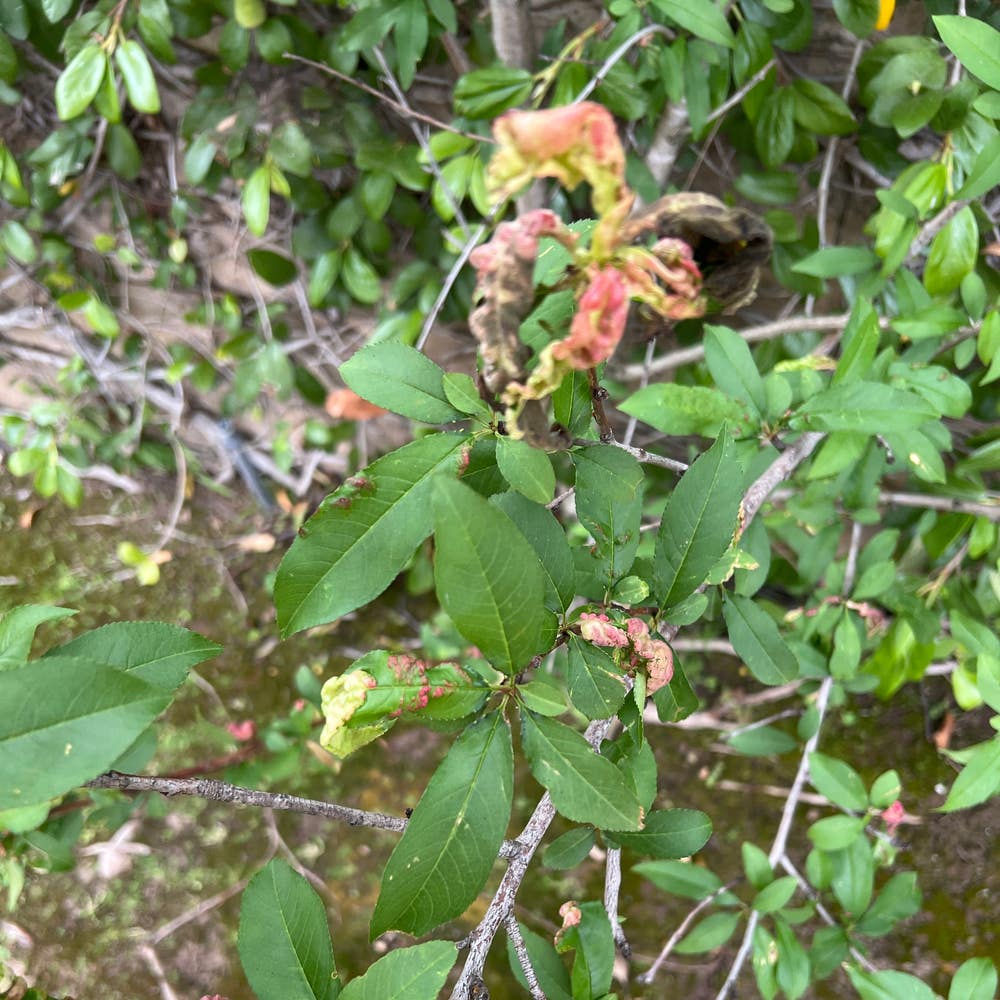
Leaf Curl Virus manifests through distorted, curled leaves that often take on a reddish tint. This virus can severely impact your tree's ability to photosynthesize, ultimately reducing its vigor.
Powdery Mildew
Powdery mildew appears as white, powdery spots on leaves. It can cause leaf curling and premature leaf drop, thriving in conditions of high humidity and poor air circulation.
🥦 Nutrient Deficiencies
Nitrogen Deficiency
Nitrogen deficiency is characterized by yellowing leaves and stunted growth. Nitrogen is essential for leaf development and overall tree health, making it crucial to monitor nutrient levels.
Potassium Deficiency
Potassium deficiency typically shows up as leaf curling at the edges and browning tips. This nutrient is vital for water regulation and disease resistance, so ensuring your tree gets enough potassium is key to its health.
Understanding these causes of curling leaves is the first step in addressing the issue effectively. Next, we’ll explore how to diagnose the specific problems affecting your nectarine tree.
Diagnosing Curling Leaves
Identifying Symptoms of Leaf Curl 🌿
To effectively diagnose curling leaves on your nectarine tree, start with a thorough visual inspection. Look for signs like curling, discoloration, and any other abnormalities that may indicate underlying issues.
Timing is crucial; assess these symptoms during the growing season for the most accurate diagnosis. Early detection can make a significant difference in treatment success.
Differentiating Between Pest and Disease Issues 🐛
Next, differentiate between pest and disease problems. Pest indicators include the presence of insects, sticky honeydew, or fine webbing on leaves.
On the other hand, disease indicators often manifest as fungal growth, leaf distortion, and discoloration. Recognizing these signs can help you pinpoint the root cause of the curling leaves.
Assessing Environmental Conditions 🌍
Environmental conditions play a vital role in your tree's health. Start by checking soil moisture levels to ensure you're not overwatering or causing drought stress.
Additionally, monitor temperature and humidity levels. Fluctuations in these conditions can significantly impact your tree's well-being and contribute to leaf curling.
By carefully assessing these factors, you can take the first steps toward restoring your nectarine tree's health and vitality. Next, we'll explore effective treatment options to address these curling leaves.
Treating Curling Leaves
🌱 Organic Pest Control Methods
When dealing with curling leaves, organic pest control methods can be highly effective. Insecticidal soap is a popular choice; simply spray it directly on affected areas every 7 to 14 days until the pests are gone.
Neem oil is another excellent option. It not only targets pests but also has antifungal properties. Apply it every two weeks, ensuring coverage on both the tops and undersides of leaves for maximum impact.
Introducing beneficial insects like ladybugs and lacewings can also help. These natural predators feast on aphids and other harmful pests, promoting a healthier ecosystem in your garden.
🧪 Chemical Treatments for Pests and Diseases
If organic methods don't yield results, consider chemical treatments. Look for pesticides with active ingredients like pyrethrin or imidacloprid. Follow the application instructions carefully to ensure safety and effectiveness.
Timing is crucial for these treatments. Apply pesticides during the early morning or late evening when beneficial insects are less active, maximizing the impact on pests while minimizing harm to your garden.
🌿 Nutrient Supplementation Strategies
Nutrient deficiencies can exacerbate leaf curling, so consider fertilizer types that provide balanced NPK (Nitrogen, Phosphorus, Potassium) ratios. Specific nutrient blends can also target deficiencies directly.
For best results, apply fertilizers in early spring and again mid-season. This timing helps ensure that your nectarine tree has the nutrients it needs during critical growth periods.
💧 Watering and Irrigation Adjustments
Proper watering is essential for tree health. Maintain consistent moisture by watering deeply but infrequently. This encourages strong root development and helps prevent stress-related leaf curling.
When it comes to irrigation methods, drip irrigation is often more efficient than traditional methods. It delivers water directly to the roots, reducing evaporation and ensuring your tree gets the moisture it needs without overwatering.
By implementing these treatment strategies, you can effectively address curling leaves on your nectarine tree. Next, let’s explore how to prevent leaf curl from occurring in the first place.
Preventing Leaf Curl
Best Practices for Care 🌱
Proper soil preparation is crucial for preventing leaf curl on your nectarine tree. Aim for well-drained, sandy loam soils that provide the right balance of nutrients and moisture.
Sunlight is another key factor. Ensure your tree receives full sun exposure for at least 6-8 hours daily to promote healthy growth and resilience against curling leaves.
Seasonal Maintenance Tips 🍂
Pruning your nectarine tree at the right time can significantly enhance air circulation. Use proper techniques to remove dead or overcrowded branches, which helps reduce the risk of disease.
Mulching is also beneficial. A good layer of mulch retains moisture and regulates soil temperature, creating a more stable environment for your tree.
Monitoring and Early Detection Strategies 🔍
Regular inspections are essential for early detection of potential issues. Conduct weekly checks for pests and symptoms of leaf curl to catch problems before they escalate.
Consider using the Greg plant care app to streamline your monitoring efforts. Set reminders for watering and fertilization to ensure your tree gets the care it needs consistently.
By implementing these preventive measures, you can maintain a healthy nectarine tree and minimize the risk of leaf curl. Next, let’s explore how to assess the recovery of your tree after treatment.
Post-Treatment Care
Assessing Recovery of the Tree 🌱
After treatment, keep an eye out for signs of recovery. Look for new growth, a return to vibrant leaf color, and reduced curling as indicators that your nectarine tree is bouncing back.
Recovery timelines can vary, but expect to see visible changes within a few weeks. Patience is key, as the tree needs time to respond to your care.
Ongoing Monitoring for Pests and Diseases 🐛
Continued vigilance is essential for maintaining your tree's health. Conduct monthly checks for any recurring pest or disease issues to catch problems early.
Adjust your treatment plans based on your observations. If you notice any new symptoms, be prepared to adapt your approach to keep your tree thriving.
Adjusting Care Based on Tree Response 🔄
As your tree recovers, modify your watering and fertilization practices accordingly. Pay attention to how the tree responds to ensure it receives the right amount of nutrients and moisture.
Tailor your pest control methods to meet the specific needs of your tree. This personalized approach will help maintain its health and prevent future issues.
With diligent care and attention, your nectarine tree can flourish once again. Next, let’s explore effective strategies for preventing leaf curl in the future.
⚠️ Safety First
This content is for general information and may contain errors, omissions, or outdated details. It is not medical, veterinary advice, or an endorsement of therapeutic claims.
Always consult a qualified healthcare professional before using any plant as food, medicine, or supplement.
Never eat any plant (or feed one to pets) without confirming its identity with at least two trusted sources.
If you suspect poisoning, call Poison Control (800) 222-1222, the Pet Poison Helpline (800) 213-6680, or your local emergency service immediately.
Spotted an error? Please report it here.
Transform your nectarine tree's health and breathe life back into those leaves 🍃 with Greg's tailored care reminders and pest monitoring tools that ensure you stay ahead of any curling issues!