🍑 Ultimate Guide to Temperature for Nectarine
Prunus persica
By the Greg Editorial Team
Nov 22, 2024•4 min read
This article was created with the help of AI so we can cover more plants for you. May contain errors. See one? Report it here.
- 🌡️ Nectarines thrive best between 75°F to 85°F for optimal growth and fruiting.
- ❄️ Chilling hours below 45°F are crucial for breaking dormancy and healthy spring growth.
- ☀️ Avoid temperatures over 95°F to prevent heat stress and maintain fruit quality.
Ideal Temperature Range
Optimal Growth Temperature 🌡️
The ideal temperature range for nectarines during the growing season is between 75°F to 85°F (24°C to 29°C). Warm summers are crucial for the development and ripening of nectarines, ensuring that the fruit reaches its full potential.
Temperature Thresholds for Fruiting 🌡️
For successful fruit set, nectarines require a minimum temperature of 60°F (15°C). However, to achieve optimal growth, temperatures should not exceed 95°F (35°C). Additionally, nectarines need between 300 to 1,000 chilling hours below 45°F (7°C) to break dormancy effectively.
Nectarine Temperature Sensitivity 🌡️
Nectarines are sensitive to temperature fluctuations, and rapid changes can stress the plants. Consistent temperatures are vital for healthy growth and high-quality fruit, making it essential to monitor conditions closely throughout the season.
This understanding of temperature requirements sets the stage for addressing temperature stress, which can significantly impact nectarines' health and productivity.
Temperature Stress
Signs of Temperature Stress 🌡️
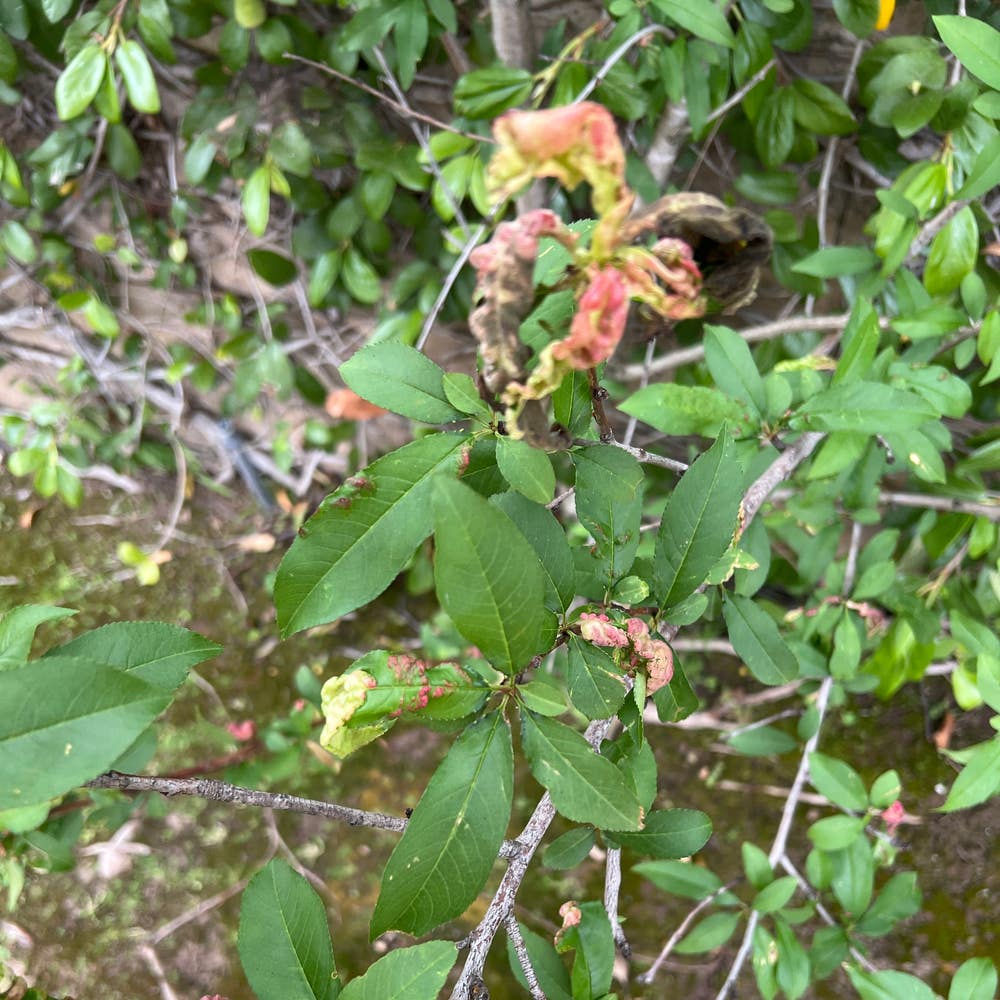
Temperature stress can significantly impact the health of your nectarines. Cold stress manifests through wilting leaves, delayed flowering, and reduced fruit set, which can be alarming for any gardener.
On the flip side, heat stress shows up as leaf scorch, sunburn on fruit, and premature leaf drop. Recognizing these symptoms early can help you take action before the damage becomes severe.
Causes of Temperature Stress ❄️🔥
Cold snaps are a major culprit, especially when temperatures drop suddenly during critical growth phases. These unexpected chills can catch your nectarines off guard, leading to detrimental effects.
Heat waves also pose a threat, with prolonged exposure to temperatures above 95°F (35°C) wreaking havoc on your plants. Understanding these causes is essential for effective temperature management in your garden.
As you navigate the challenges of temperature stress, remember that proactive measures can make all the difference. By staying vigilant and responsive, you can help your nectarines thrive despite the weather's whims.
Seasonal Temperature Considerations
🌸 Spring Temperature Requirements
Spring is a crucial time for nectarines, with ideal temperatures ranging from 60°F to 75°F (15°C to 24°C). This temperature range supports optimal flowering, ensuring that blossoms develop properly.
However, be cautious of frost damage. If temperatures dip below freezing during this sensitive period, it can severely impact flowering and subsequent fruit set.
☀️ Summer Temperature Needs
As summer arrives, nectarines thrive in temperatures between 75°F and 85°F (24°C to 29°C). These warm conditions are essential for robust fruit growth and development.
Yet, excessive heat poses a threat. When temperatures soar above 95°F (35°C), nectarines can suffer from sunburn and diminished fruit quality, making careful monitoring essential.
🍂 Fall and Winter Considerations
In the fall, aim for temperatures between 65°F and 75°F (18°C to 24°C) to facilitate proper ripening of the fruit. This period is vital for ensuring that nectarines reach their full flavor potential.
Winter brings its own challenges, particularly the need for chilling hours. Nectarines require 300 to 1,000 hours below 45°F (7°C) to break dormancy effectively, setting the stage for healthy growth in the following spring.
Understanding these seasonal temperature needs is key to nurturing healthy nectarine trees. With the right conditions, you can enjoy a bountiful harvest year after year.
Geographic and Climate Considerations
🌍 Best Climates for Growing
Nectarines thrive best in temperate zones that experience distinct seasons. These regions provide the warm summers and cool winters essential for optimal growth and fruit development.
🗺️ Regional Variations
Coastal areas often enjoy milder winters, which can benefit nectarines by reducing the risk of extreme cold damage. In contrast, inland regions may face more severe temperature fluctuations, requiring careful variety selection to ensure successful cultivation.
Nectarines have adapted to various climates, with specific varieties suited for different temperature ranges. Understanding these regional differences is crucial for growers aiming to maximize their harvest.
In summary, choosing the right climate and variety is key to successful nectarine cultivation. This knowledge sets the stage for effective temperature management strategies, which we will explore next.
Mitigating Temperature Stress
❄️ Techniques for Cold Protection
To safeguard your nectarines from cold stress, consider using frost cloths or blankets during unexpected cold snaps. These protective layers trap heat and shield your plants from harsh temperatures.
Another effective strategy is to plant your nectarine trees in sheltered locations. This reduces their exposure to cold winds, which can exacerbate the effects of low temperatures.
☀️ Strategies for Heat Protection
When the heat ramps up, providing shade becomes essential. You can use shade cloth or strategically plant taller plants nearby to shield your nectarines from the scorching sun.
Additionally, regular watering is crucial during hot spells. Keeping the soil moist helps maintain a cooler root environment, reducing heat stress on your trees.
By implementing these techniques, you can help your nectarines thrive despite temperature fluctuations. Now, let’s explore seasonal temperature considerations to further enhance your growing strategy.
⚠️ Safety First
This content is for general information and may contain errors, omissions, or outdated details. It is not medical, veterinary advice, or an endorsement of therapeutic claims.
Always consult a qualified healthcare professional before using any plant as food, medicine, or supplement.
Never eat any plant (or feed one to pets) without confirming its identity with at least two trusted sources.
If you suspect poisoning, call Poison Control (800) 222-1222, the Pet Poison Helpline (800) 213-6680, or your local emergency service immediately.
Spotted an error? Please report it here.
Keep your nectarines thriving with proactive temperature management 🌡️, and let Greg provide you with tailored care tips and reminders to ensure your trees flourish all season long!