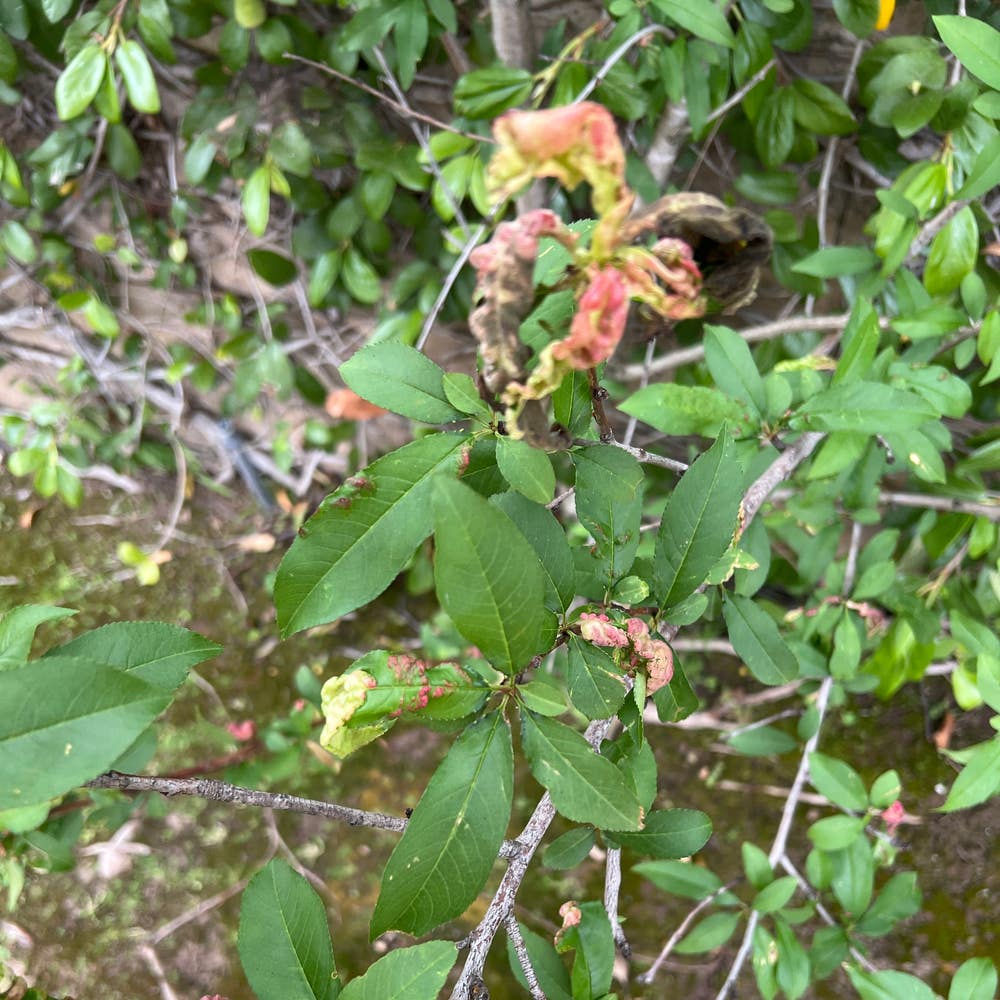
Top 6 Signs Your Peach is Stressed in Winter 🍑
Prunus persica
By the Greg Editorial Team
Oct 04, 2024•4 min read
This article was created with the help of AI so we can cover more plants for you. May contain errors. See one? Report it here.
- ❄️ Protect peach trees from frost using cloths or blankets during cold weather.
- 🌱 Mulching insulates roots and retains warmth, crucial for winter survival.
- 💧 Water before frost to enhance soil heat retention and support tree health.
Winter Care Practices for Peach Trees
❄️ Frost Protection Methods
Protecting your peach trees from frost is crucial during winter. Covering them with frost cloths or blankets during frost warnings can shield them from harsh temperatures.
Mulching is another effective method. A thick layer of mulch around the base insulates the roots, helping them retain warmth.
Watering before a frost is also essential. Moist soil retains heat better than dry soil, providing an extra layer of protection.
🌱 Adjusting Watering Schedules During Dormancy
During dormancy, it's important to adjust your watering schedule. Reduce the frequency and only water if the soil feels excessively dry.
Maintaining moisture is vital for root health. This prevents desiccation, ensuring your trees stay healthy through the winter months.
🌼 Fertilizing Peach Trees in Winter: What to Know
Timing is everything when it comes to fertilizing. Avoid fertilizing during dormancy; instead, wait until early spring when your trees are ready to grow.
When you do fertilize, opt for slow-release fertilizers. These will support robust growth as spring approaches, giving your peach trees the best chance to thrive.
As winter winds down, these care practices will set your peach trees up for a successful spring. Next, let’s explore how to care for indoor peach trees during the colder months.
Indoor Care for Peach Trees
Best Practices for Bringing Peach Trees Indoors 🌱
Moving your peach tree indoors is crucial before the first frost hits. This timing ensures your tree avoids cold damage and can thrive in a controlled environment.
Acclimatization is key. Gradually introduce your tree to indoor conditions over a week to minimize shock and help it adjust smoothly.
Light and Temperature Requirements for Indoor Peach Trees ☀️
Peach trees need plenty of light to flourish indoors. Aim to provide at least 6-8 hours of bright, indirect sunlight daily.
Temperature is equally important. Keep indoor temperatures between 60°F to 70°F (15°C to 21°C) to create an ideal environment for growth and health.
By following these best practices, your indoor peach tree can thrive, setting the stage for a fruitful spring. Next, we’ll explore how to assess any winter damage your tree may have sustained.
Spring Preparation and Recovery
🌳 Assessing Winter Damage in Peach Trees
As winter fades, it's crucial to assess your peach trees for any signs of damage. Look for dead branches, bark splitting, and overall tree health to gauge how well your tree has weathered the cold.
Understanding the extent of any damage is vital. This assessment will guide you in determining the necessary recovery actions to help your tree thrive in the upcoming season.
✂️ Steps for Pruning and Revitalizing Stressed Peach Trees
Pruning dead or damaged branches: Use clean, sharp tools to prevent infection. This helps your tree focus its energy on healthy growth.
Timing: Aim to prune in late winter or early spring, just before new growth begins. This timing maximizes the benefits of your efforts.
Encouraging new growth: After pruning, fertilize to support recovery. A little extra nourishment can go a long way in revitalizing your tree.
🌱 Preparing Peach Trees for Spring Growth
Soil preparation is the first step in getting your peach trees ready for spring. Test the soil pH and amend as necessary to create the best environment for growth.
Next, adjust your watering schedule. Gradually increase watering as temperatures rise to ensure your trees receive adequate moisture.
Finally, keep an eye out for pests. Early detection can prevent infestations that could hinder your peach trees' growth during the vibrant spring season.
With these steps, your peach trees will be well on their way to a healthy and productive spring. Transitioning from winter care to spring preparation is essential for ensuring your trees flourish.
⚠️ Safety First
This content is for general information and may contain errors, omissions, or outdated details. It is not medical, veterinary advice, or an endorsement of therapeutic claims.
Always consult a qualified healthcare professional before using any plant as food, medicine, or supplement.
Never eat any plant (or feed one to pets) without confirming its identity with at least two trusted sources.
If you suspect poisoning, call Poison Control (800) 222-1222, the Pet Poison Helpline (800) 213-6680, or your local emergency service immediately.
Spotted an error? Please report it here.
Ensure your peach trees thrive through winter stress and bear fruit 🍑 in spring with Greg's personalized care tips and timely reminders to keep them healthy all year long!