When and Where to Trim Your Peach 🍑
Prunus persica
By the Greg Editorial Team
Oct 04, 2024•6 min read
This article was created with the help of AI so we can cover more plants for you. May contain errors. See one? Report it here.
- 🌳 Pruning boosts peach tree health, enhancing airflow and sunlight for better yields.
- ✂️ Best pruning times: late winter and summer for optimal fruit quality and tree health.
- 🛠️ Essential tools like pruners and loppers ensure effective cuts and prevent disease.
Importance of Pruning for Health and Yield
🌳 Enhancing Tree Health
Pruning your peach tree is crucial for its overall health. By promoting airflow and sunlight penetration, you significantly reduce the risk of diseases that can plague your tree.
Additionally, pruning encourages new growth and boosts fruit production. This means not only healthier trees but also a more fruitful harvest.
🍑 Maximizing Yield
Proper pruning techniques are key to achieving better fruit quality and quantity. When you prune correctly, you help balance the fruit load, which prevents branches from breaking under the weight of too many peaches.
This balance is essential for a thriving peach tree, ensuring that each branch can support its share of delicious fruit. With the right approach, your tree will reward you with a bountiful harvest year after year.
As we delve deeper into the specifics of pruning, understanding when and where to make those cuts will further enhance your tree's health and yield.
Tools Needed for Pruning Peach Trees
🛠️ Essential Pruning Tools
To effectively prune your peach trees, having the right tools is crucial. Start with hand pruners for small branches and precision cuts; they’re your go-to for detailed work.
Next, consider loppers for larger branches up to 1.5 inches in diameter. They provide the leverage needed for thicker limbs without straining your hands.
For even thicker branches, a pruning saw is essential. This tool allows you to tackle those stubborn limbs that require more force.
🧼 Tool Maintenance
Maintaining your tools is just as important as using them. Sharp, clean tools prevent disease transmission, ensuring your peach trees stay healthy.
Regularly clean your tools with disinfectant and sharpen them to keep cuts clean and efficient. This simple practice can make a significant difference in your pruning results.
By equipping yourself with the right tools and maintaining them properly, you set the stage for successful peach tree pruning. This preparation will enhance your pruning experience and the overall health of your trees.
Next, let’s explore when to prune your peach trees for optimal growth and yield.
When to Prune Peach Trees
🌨️ Winter Pruning: Timing and Techniques
The ideal time for winter pruning is late winter, specifically from January to early March. This timing is crucial as it allows you to prepare the tree for new growth before the season kicks in.
Focus on removing dead, damaged, or crossing branches during this period. This not only enhances airflow but also promotes healthier growth for the upcoming season.
☀️ Summer Pruning: Timing and Techniques
Mid-summer, between June and August, is the best time for summer pruning. At this stage, you can perform light pruning after the fruit has set.
This technique helps maintain the tree's shape and removes any excess growth that could hinder fruit development. Keeping your tree well-shaped ensures it receives adequate sunlight and airflow.
👀 Signs Indicating When to Prune
Observing your tree's health is key to knowing when to prune. Look for signs of overcrowding or any indications of disease, as these can signal that it's time for a trim.
Additionally, pay attention to growth patterns. If you notice that new growth has slowed, it may be the perfect moment to give your peach tree some much-needed attention.
By understanding these timing and techniques, you can ensure your peach tree remains healthy and productive throughout the seasons. Next, let’s explore where to prune on your peach trees for optimal results.
Where to Prune on Peach Trees
Identifying Branch Types: Fruit-bearing vs. Non-fruit-bearing 🍑
Understanding the different types of branches on your peach tree is crucial for effective pruning. Focus on recognizing one-year-old wood, as this is where your fruit will develop.
Older wood, typically gray and rough, won’t produce fruit. Instead, it supports the tree’s structure. Knowing the difference helps you make informed cuts that enhance fruit production.
Pruning for Shape and Airflow 🌬️
Maintaining a vase-like shape is essential for your peach tree's health. This shape allows sunlight and air to penetrate, reducing disease risk and promoting fruit quality.
Thinning out crowded areas is key. Remove branches that crisscross or grow inward to improve airflow and light exposure. This simple technique can make a significant difference in your tree's overall vitality.
Avoiding Common Mistakes in Pruning Locations ⚠️
Pruning can be a double-edged sword if not done correctly. Over-pruning can lead to stress and reduced fruit yield, so always be cautious about how much you cut.
Making clean cuts at the right angles is vital. Incorrect cuts can invite disease and hinder growth. Take your time to ensure each cut supports the tree’s health and productivity.
In summary, understanding where to prune on your peach tree can significantly impact its health and yield. With the right techniques, you can foster a thriving tree that produces delicious fruit for years to come. Next, let’s explore the process of deadheading peach trees and its benefits.
Deadheading Peach Trees
🌸 What is Deadheading and Why is it Important?
Deadheading involves removing spent flowers from your peach tree. This simple act encourages new growth and enhances the overall health of the tree.
By eliminating old blooms, you reduce the risk of disease and promote vigor. Healthy trees are more resilient and productive, making deadheading a vital practice for any peach tree owner.
✂️ How to Deadhead Peach Trees: Step-by-Step Instructions
- Identify spent flowers: Look for wilting or browning blooms that need removal.
- Use clean pruning shears: Always ensure your tools are sanitized to prevent disease.
- Cut back to the first set of healthy leaves or buds: This encourages fresh growth and keeps the tree thriving.
🍑 Benefits of Deadheading for Peach Tree Health
Deadheading not only encourages more blooms but also boosts fruit production. A well-maintained tree is less attractive to pests, helping to maintain its overall vigor.
Incorporating deadheading into your routine can transform your peach tree into a flourishing centerpiece in your garden. With these simple steps, you can ensure your tree remains healthy and productive.
As you continue caring for your peach tree, keep an eye out for common problems and solutions to maintain its health and yield.
Common Problems and Solutions
🌳 Addressing Overgrown Peach Trees
Overgrown peach trees can signal trouble. Look for dense foliage and a noticeable drop in fruit quality.
To tackle this, employ gradual thinning techniques. Start by removing some branches to improve airflow and light penetration, which will rejuvenate the tree.
🐛 Dealing with Pest and Disease Issues Related to Pruning
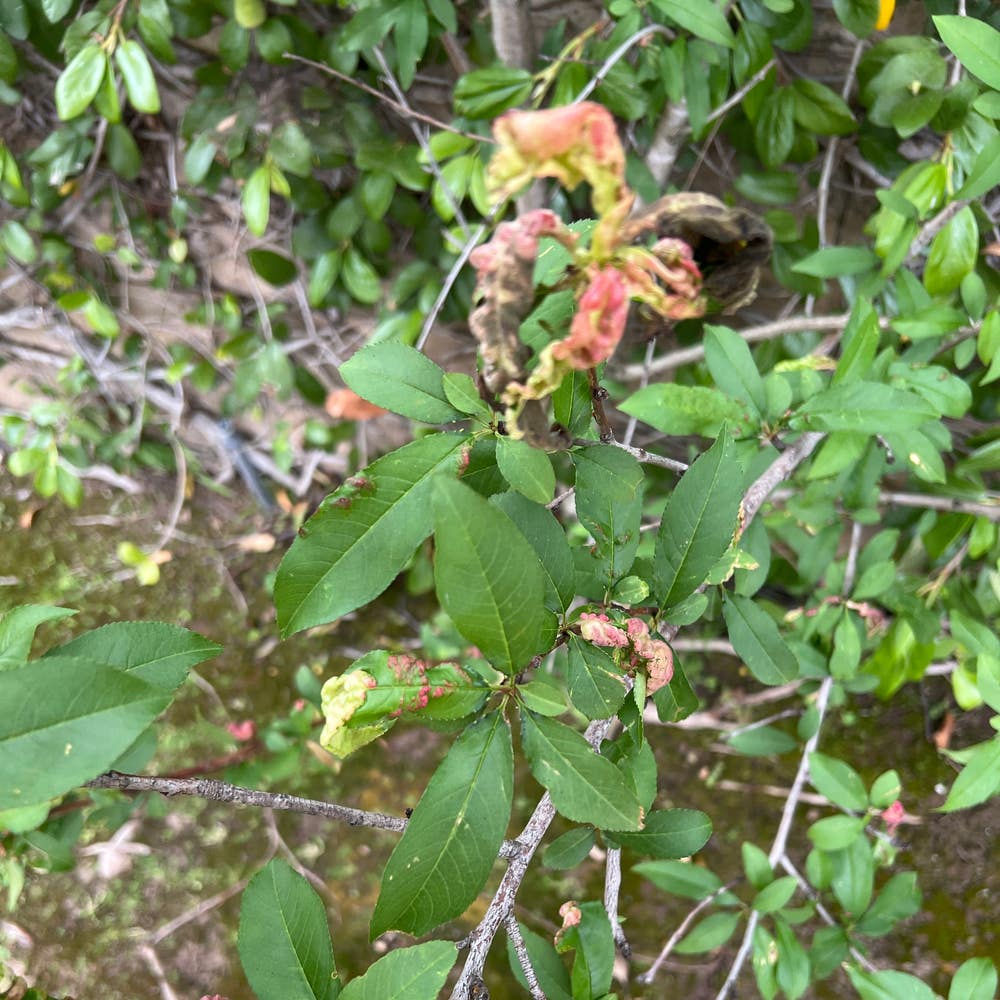
After pruning, keep an eye out for common pests like aphids and spider mites. Signs of infestation include discolored leaves and webbing.
Preventing diseases is crucial. Proper pruning techniques can significantly reduce the risk of fungal infections and other issues.
✂️ Recovery Techniques for Improper Pruning
If you notice signs of stress, such as wilting leaves or stunted growth, your tree may need help. These symptoms often indicate that too much wood has been removed.
To recover, implement corrective pruning. Focus on removing any dead or damaged branches and adjust care practices to support the tree's recovery.
By addressing these common problems, you can ensure your peach tree remains healthy and productive. Next, let’s explore the art of deadheading to further enhance your tree's vitality.
⚠️ Safety First
This content is for general information and may contain errors, omissions, or outdated details. It is not medical, veterinary advice, or an endorsement of therapeutic claims.
Always consult a qualified healthcare professional before using any plant as food, medicine, or supplement.
Never eat any plant (or feed one to pets) without confirming its identity with at least two trusted sources.
If you suspect poisoning, call Poison Control (800) 222-1222, the Pet Poison Helpline (800) 213-6680, or your local emergency service immediately.
Spotted an error? Please report it here.
Transform your peach tree into a fruitful wonder 🍑 with Greg's tailored pruning reminders and expert tips that ensure you trim at just the right time for maximum yield!