Top 3 Tips for Choosing Soil for Your Peach 🍑
Prunus persica
By the Greg Editorial Team
Oct 04, 2024•6 min read
This article was created with the help of AI so we can cover more plants for you. May contain errors. See one? Report it here.
- 🌱 Healthy soil is vital for peach trees; watch for mold and root distress.
- 💧 Overwatering causes mold, suffocating roots; improve drainage with raised beds.
- ⚖️ Ideal soil pH is 6.0-6.8; test regularly for optimal nutrient availability.
Identifying Unhealthy Soil
Signs of Unhealthy Soil 🌱
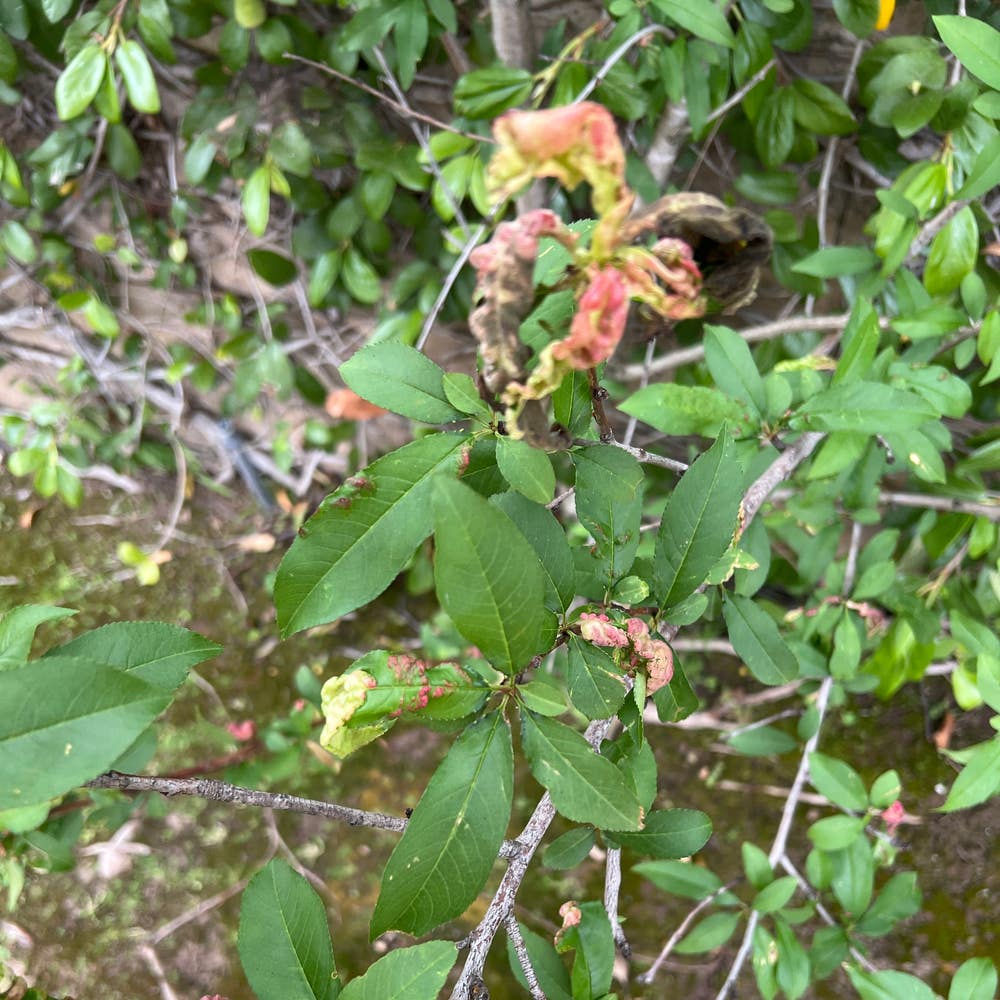
Recognizing unhealthy soil is crucial for the health of your peach trees. Look for visual indicators like moldy soil, poor growth, and discoloration.
Additionally, inspect the roots of your peach trees. Signs of distress, such as browning or mushy roots, can indicate serious soil issues.
Common Soil Problems 🏴☠️
Moldy Soil: Causes and Implications 🦠
Moldy soil often results from overwatering. This excess moisture creates an environment where mold thrives, which can suffocate roots and hinder growth.
To prevent moldy conditions, ensure proper watering practices. If mold appears, consider aeration and drying techniques to restore balance.
Soil Compaction: Effects on Peach Tree Growth 💪
Soil compaction can severely affect peach tree growth. Signs include difficulty in root penetration and stunted tree development.
To combat compaction, employ aeration techniques. Adding organic amendments can also help improve soil structure.
Solutions for Unhealthy Soil Conditions 🛠️
Remediation Strategies 🔧
Improving drainage is essential for existing soil issues. Techniques like creating raised beds or incorporating organic matter can enhance water flow.
In some cases, replacing unhealthy soil may be necessary. If problems persist despite your efforts, consider a complete overhaul to ensure your peach trees thrive.
With these insights, you're better equipped to identify and address unhealthy soil conditions, setting the stage for healthy peach tree growth. Next, let’s explore the importance of soil pH and nutrient needs.
Soil pH and Nutrient Needs
Ideal pH Range 🌱
The optimal pH levels for peach trees range from 6.0 to 6.8. This slightly acidic to neutral condition is crucial for maximizing nutrient availability.
Maintaining the right pH ensures that essential nutrients are accessible to your peach trees. If the pH strays too far from this range, nutrient deficiencies can occur, impacting growth and fruit quality.
Testing Soil pH 🔍
To determine your soil's pH, you have a couple of effective options. DIY soil pH test kits are widely available and come with step-by-step instructions for easy use.
Alternatively, you can send soil samples to a lab for a more comprehensive analysis. This method provides detailed insights into your soil's nutrient profile and pH levels.
Adjusting Soil pH ⚖️
If your soil's pH is too low, you can lower it using elemental sulfur. Apply it according to the recommended rates and timing for best results.
For organic options, consider adding pine needles or peat moss to your soil. These amendments can help create a more acidic environment.
Conversely, if you need to raise the pH, lime application is a popular choice. Different types of lime exist, so choose one that fits your needs and follow best practices for application.
Monitoring pH changes is essential. Regular testing will help you understand how your amendments are affecting soil conditions, ensuring your peach trees thrive.
With the right pH and nutrient balance, your peach trees will have the best chance for robust growth and fruitful yields. Next, let’s explore how to create a homemade soil mix tailored specifically for your peach trees.
Creating a Homemade Soil Mix
Ingredients for a Homemade Mix 🌱
Creating a homemade soil mix starts with the right base components. Sandy loam is ideal for texture; aim for a ratio of about 60% sandy loam to 40% organic matter.
Organic matter is crucial for nutrient retention. Use a mix of compost and well-rotted manure in equal parts to enrich the soil.
Additional Amendments 🧪
To enhance drainage, consider adding perlite or vermiculite. These materials help aerate the soil, preventing compaction.
For nutrient sources, incorporate bone meal and blood meal. These amendments provide essential nutrients that peach trees crave.
Step-by-Step Guide to Mixing Soil 🛠️
- Gather materials: Collect sandy loam, compost, well-rotted manure, perlite, bone meal, and blood meal.
- Mix base components: Combine the sandy loam and organic matter in the specified ratios.
- Incorporate amendments: Evenly distribute perlite, bone meal, and blood meal throughout the mix.
- Test the mix: Check for proper drainage and pH levels to ensure optimal conditions for your peach trees.
Benefits of Using Homemade Soil 🌟
One of the biggest advantages of a homemade soil mix is customization. You can tailor the soil to meet the specific needs of your peach trees.
It's also cost-effective. Making your own mix can save you money compared to purchasing pre-made options.
Lastly, a homemade mix often leads to enhanced growth conditions. Improved nutrient availability and drainage can significantly boost your peach tree's health and productivity.
As you prepare your soil mix, remember that the right blend sets the foundation for thriving peach trees. Next, let's explore seasonal considerations for soil care to keep your mix in top shape throughout the year.
Seasonal Considerations for Soil Care
🌱 Seasonal Soil Preparation
Spring is the perfect time to prepare your soil for peach trees. Start by testing your soil and applying necessary amendments to ensure optimal growth.
Pre-planting soil checks are crucial. They help identify nutrient deficiencies and pH imbalances that could hinder your peach tree's development.
As fall approaches, focus on post-harvest soil care. Adding organic matter, like compost, enriches the soil and prepares it for the winter months.
Don't forget to prepare your soil for winter. Cover crops and mulching can protect the soil structure and retain moisture during the colder months.
⏰ Timing for Amendments and Testing
When it comes to soil testing, timing is everything. Conduct tests before planting and consider mid-season checks to monitor nutrient levels.
Seasonal variations can affect nutrient needs. Adjust your amendments based on the specific requirements of your peach trees throughout the growing season.
Schedule your amendments wisely. Apply lime or sulfur at the right times to maintain pH levels, and regularly add organic matter to keep the soil healthy.
☁️ Weather Effects on Soil Conditions
Weather plays a significant role in soil health. Excess rainfall can lead to root rot and drainage issues, so be vigilant during wet seasons.
In contrast, drought conditions require moisture retention strategies. Implementing mulch can help keep the soil hydrated and support your peach trees.
Temperature also affects soil conditions. Warmer soil promotes root growth, so adjust your care practices according to seasonal temperature changes.
By staying proactive with seasonal soil care, you can create an ideal environment for your peach trees to thrive. Next, let’s explore how to test and adjust soil pH for optimal nutrient availability.
⚠️ Safety First
This content is for general information and may contain errors, omissions, or outdated details. It is not medical, veterinary advice, or an endorsement of therapeutic claims.
Always consult a qualified healthcare professional before using any plant as food, medicine, or supplement.
Never eat any plant (or feed one to pets) without confirming its identity with at least two trusted sources.
If you suspect poisoning, call Poison Control (800) 222-1222, the Pet Poison Helpline (800) 213-6680, or your local emergency service immediately.
Spotted an error? Please report it here.
Ensure your peach trees flourish with optimal soil health 🌱 by using Greg's tailored tips for soil testing and amendments that will boost your fruit production!