What to Do About Peach Root Rot 🍑
Prunus persica
By the Greg Editorial Team
Oct 04, 2024•5 min read
This article was created with the help of AI so we can cover more plants for you. May contain errors. See one? Report it here.
- 🌱 Wilting leaves and foul odors indicate peach root rot; act quickly!
- 🛠️ Inspect roots regularly to assess health and prevent severe damage.
- 💧 Improve drainage and use fungicides to combat and prevent root rot effectively.
Identifying Root Rot in Peach Trees
Symptoms of Root Rot 🌱
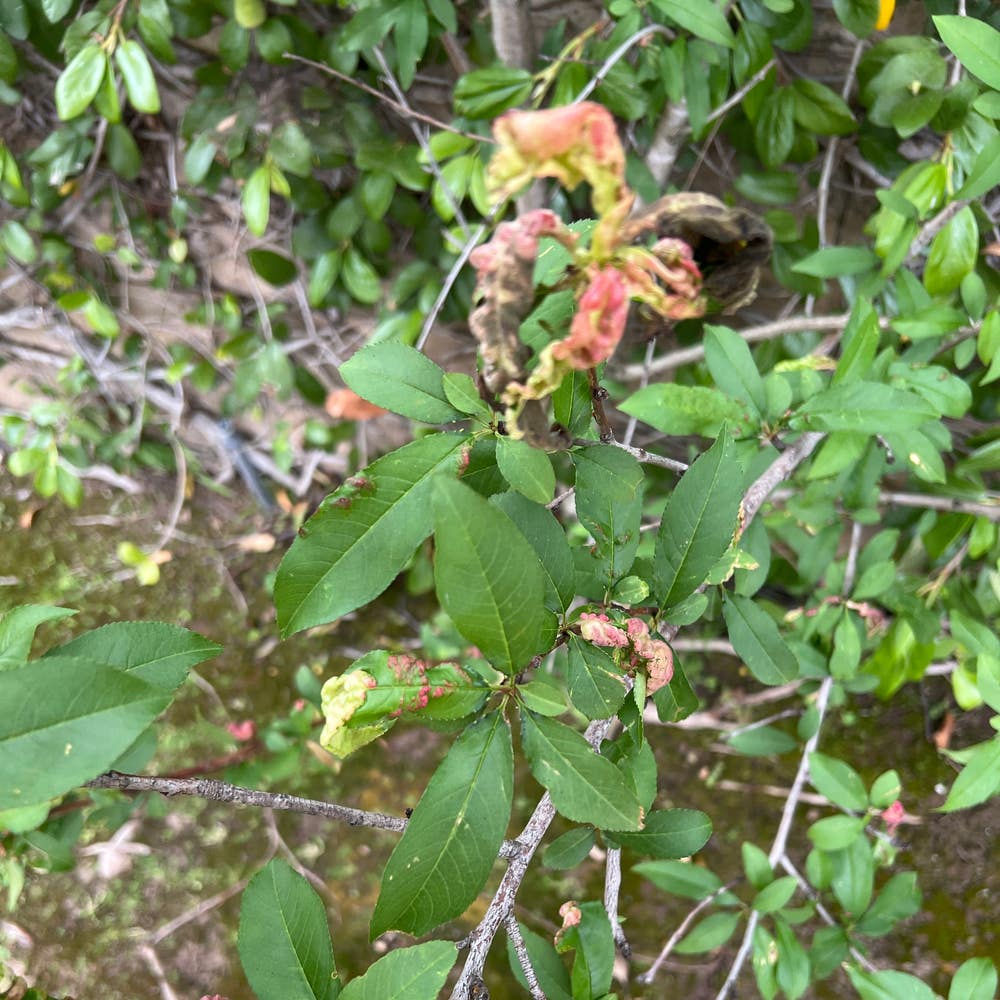
Recognizing root rot in peach trees starts with observing the symptoms. Wilting leaves that droop, even after adequate watering, can be a telltale sign.
Another indicator is yellowing leaves, which suggest chlorosis and nutrient uptake issues. Additionally, if your tree shows stunted growth, it may lack vigor and produce fewer fruits.
Visual Signs to Look For 👀
Visual cues are crucial for identifying root rot. Look for root discoloration; dark, mushy roots contrast sharply with healthy white roots.
A foul odor in the root zone often indicates decay. Lastly, keep an eye out for leaf drop, which can signal premature shedding due to stress.
How to Conduct a Root Inspection 🔍
Conducting a root inspection is straightforward. Start with preparation: gather your tools, including a shovel, pruners, and gloves.
Next, move on to digging; carefully excavate around the root zone to avoid damaging healthy roots. Finally, during the inspection, look for signs of rot and assess the overall health of the roots.
By staying vigilant and proactive, you can catch root rot early and take steps to save your peach tree. This awareness sets the stage for effective treatment and prevention strategies.
Treating Root Rot
Step-by-Step Treatment Methods 🌱
Assess the severity: Start by determining if your peach tree can be saved. Look for signs of extensive damage or decay.
Remove affected roots: Prune back any roots that show signs of rot. Focus on cutting back to healthy tissue to promote recovery.
Improve drainage: If drainage is an issue, amend the soil or consider relocating the tree. This step is crucial for preventing future problems.
Recommended Fungicides and Their Application 💊
Types of fungicides: There are two main types—systemic and contact fungicides. Systemic fungicides work from within the plant, while contact fungicides act on the surface.
Application methods: You can either drench the soil or spray the foliage. Drenching is often more effective for root issues.
Timing: Apply fungicides at the right time to maximize effectiveness. Early spring or after heavy rains are ideal moments for treatment.
Importance of Pruning Affected Roots ✂️
Promoting recovery: Pruning affected roots encourages new growth. Healthy roots are essential for the tree's overall vigor.
Reducing disease spread: By removing decayed roots, you limit the presence of pathogens in the soil. This action helps protect the remaining healthy roots.
Taking these steps can significantly improve your peach tree's chances of recovery. With proper care and attention, your tree can bounce back and thrive. Next, let’s explore how to prevent root rot from occurring in the first place.
Preventing Root Rot
Best Practices for Soil Drainage and Aeration 🌱
To prevent root rot, start with soil testing. This helps you assess drainage capabilities and identify any issues before they escalate.
Consider techniques like raised beds, mounding, and trenching. These methods enhance drainage and promote better aeration, keeping your peach trees healthy.
Recommended Soil Types and Amendments 🏡
The ideal soil composition for peach trees is well-draining sandy loam. This type of soil allows for optimal root growth and prevents waterlogging.
Incorporate amendments such as organic matter, perlite, and gypsum. These additions improve soil structure and drainage, creating a more favorable environment for your trees.
Watering Techniques to Prevent Over-Saturation 🚿
Establish a watering schedule based on soil moisture. This ensures your trees receive the right amount of water without becoming oversaturated.
Utilize techniques like deep watering instead of surface watering. Deep watering encourages roots to grow downwards, enhancing their resilience against root rot.
By implementing these practices, you can significantly reduce the risk of root rot in your peach trees. Next, let’s explore how to monitor your peach tree's health effectively.
Monitoring Peach Tree Health
Regular Checks for Root Rot Symptoms 🌱
Monitoring your peach tree regularly is crucial for early detection of root rot. Aim for monthly inspections during the growing season to catch any issues before they escalate.
Look out for wilting leaves, which can indicate stress even if you’re watering adequately. Yellowing leaves and signs of poor root health are also red flags that shouldn’t be ignored.
Seasonal Care Adjustments 🍂
As seasons change, so should your care routine. In spring, focus on soil amendments and check drainage to ensure your tree has the best start.
Come fall, mulching is key to protecting roots and preparing your tree for winter. This practice helps retain moisture and insulates the soil against temperature fluctuations.
Importance of Maintaining Overall Tree Health 🌳
A healthy tree is less susceptible to diseases like root rot. Implement a nutrient management plan with a fertilization schedule that supports vigorous growth.
Don’t forget about pest and disease management. An integrated approach to care will keep your peach tree thriving and resilient against various threats.
By staying proactive in monitoring and adjusting your care, you can significantly enhance your peach tree's health and productivity. Next, let’s dive into the best practices for preventing root rot in the first place.
⚠️ Safety First
This content is for general information and may contain errors, omissions, or outdated details. It is not medical, veterinary advice, or an endorsement of therapeutic claims.
Always consult a qualified healthcare professional before using any plant as food, medicine, or supplement.
Never eat any plant (or feed one to pets) without confirming its identity with at least two trusted sources.
If you suspect poisoning, call Poison Control (800) 222-1222, the Pet Poison Helpline (800) 213-6680, or your local emergency service immediately.
Spotted an error? Please report it here.
Combat peach root rot with proactive care 🌳 by using Greg's tailored reminders and soil testing features to keep your tree's roots healthy and thriving!