π Step-by-Step Guide to Identifying Bugs on Peach
Prunus persica
By the Greg Editorial Team
Oct 04, 2024•6 min read
This article was created with the help of AI so we can cover more plants for you. May contain errors. See one? Report it here.
- π Identify common peach pests like spider mites and aphids for effective management.
- π± Recognize damage symptoms early, such as leaf discoloration and sticky residues.
- πΏ Explore organic options like neem oil for eco-friendly pest control solutions.
Common Pests Affecting Peach
π·οΈ Spider Mites
Identification
Spider mites are tiny, often red or green dots that youβll typically find on the undersides of leaves. Look for fine webbing and signs of yellowing or stippling on foliage.
Damage Caused
These pests can cause significant leaf discoloration and premature leaf drop. As a result, the tree becomes weaker and more vulnerable to diseases.
Treatment Options
For chemical solutions, consider using acaricides specifically designed for spider mites. Organic options include neem oil, insecticidal soap, and increasing humidity around the plant.
π Scale Insects
Identification
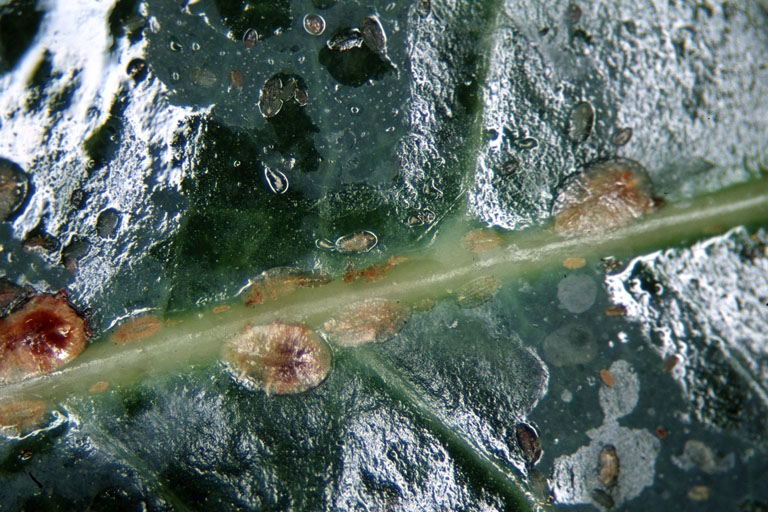
Scale insects appear as small, waxy bumps on stems and leaves, often mistaken for natural growths. You might also notice sticky leaves due to honeydew excretion.
Damage Caused
These pests sap the tree's nutrients, leading to stunted growth and dieback. They can also attract sooty mold, which inhibits photosynthesis.
Treatment Options
Chemical treatments include systemic insecticides that penetrate the plant. For organic methods, try horticultural oils and manually removing the scales.
π¦ Fungus Gnats / Fruit Flies
Identification
Fungus gnats are small, dark flies that hover near the soil or fruit. Their larvae can be seen in the soil, causing root damage.
Damage Caused
These pests weaken young plants and can lead to root rot. Fruit flies can also damage ripening fruit, creating additional challenges.
Treatment Options
Chemical solutions involve insecticides targeting adult flies. Organic alternatives include sticky traps, beneficial nematodes, and managing soil moisture properly.
βοΈ Mealybugs
Identification
Mealybugs look like white, cottony masses on stems and leaf joints. You may also notice honeydew and sooty mold on leaves.
Damage Caused
These pests weaken the plant by sucking sap, leading to leaf drop and reduced vigor.
Treatment Options
For chemical control, systemic insecticides or targeted sprays are effective. Organic methods include using alcohol wipes to remove mealybugs and applying insecticidal soap.
π Aphids
Identification
Aphids are small, soft-bodied insects, often green or black. Look for curling leaves and sticky residue, known as honeydew.
Damage Caused
They cause leaf distortion and can transmit plant viruses, which can be detrimental to your peach tree.
Treatment Options
Chemical treatments include broad-spectrum insecticides. For organic solutions, consider introducing ladybugs, using neem oil, or applying insecticidal soap.
π¦ Whiteflies
Identification
Whiteflies are tiny, moth-like insects that fly when disturbed. You may notice yellowing leaves and honeydew accumulation.
Damage Caused
These pests weaken plants and can lead to sooty mold, further affecting plant health.
Treatment Options
Chemical options include insecticides specifically targeting whiteflies. Organic methods involve using yellow sticky traps and introducing natural predators.
π Weevils
Identification
Weevils are small beetles with elongated snouts. Look for holes in leaves and potential root damage.
Damage Caused
They can cause significant damage to foliage and roots, leading to plant stress.
Treatment Options
Chemical treatments target adult weevils with specific insecticides. For organic control, handpicking and using beneficial nematodes can be effective.
As you navigate the world of peach pests, understanding their identification, damage, and treatment options is crucial. Next, letβs explore the natural pest resistance of peach trees and how to enhance their resilience against infestations.
Pest Resistance
π± Natural Pest Resistance
Peach trees exhibit a fascinating natural resistance to certain pests, particularly specific aphids. This resilience is often linked to the overall health of the tree; a robust tree can fend off infestations more effectively.
Maintaining tree vigor through proper care not only enhances resistance but also promotes better fruit quality. Healthy trees are less appealing to pests, creating a natural barrier against potential threats.
π Pests Less Likely to Affect Peach
While many pests can target peach trees, some are generally less problematic. For instance, certain beetles and caterpillars tend to avoid peach trees, allowing them to thrive without significant interference.
This resilience is a testament to the peach tree's adaptability and strength. By understanding which pests are less likely to invade, you can focus your efforts on monitoring and managing those that do pose a threat.
In the next section, we will explore effective prevention strategies to keep your peach trees healthy and pest-free.
Prevention of Pest Infestations
π‘οΈ Preventative Measures
Regular inspections of your peach trees are crucial for catching pests early. Look for any unusual signs, such as discoloration or webbing, to address issues before they escalate.
Maintaining healthy soil is equally important. Proper watering practices promote strong growth, making your trees more resilient against pests.
π§Ό Tips on Plant Hygiene and Inspection Routines
Keeping your garden clean is a simple yet effective way to reduce pest habitats. Regularly clean up fallen fruit and debris, as these can attract unwanted visitors.
Using mulch not only helps retain soil moisture but also acts as a deterrent for pests. A well-maintained garden is your first line of defense against infestations.
By implementing these preventative measures, you can create a thriving environment for your peach trees, setting the stage for a fruitful harvest. Next, letβs explore general pest management strategies to keep your trees healthy and productive.
General Pest Management for Peach Trees
π± Integrated Pest Management (IPM) Principles
Integrated Pest Management (IPM) is a holistic approach to pest control that combines various strategies. It involves monitoring your peach trees regularly, identifying any pests, and managing them through a mix of methods tailored to your specific situation.
This method emphasizes environmentally friendly pest control techniques. By using natural predators, organic treatments, and cultural practices, you can effectively manage pests while minimizing harm to beneficial insects and the environment.
π Importance of Early Detection and Intervention
Early detection of pests is crucial for maintaining the health of your peach trees. Catching infestations before they escalate can save you time, money, and effort in the long run.
Timely intervention not only prevents severe damage but also reduces treatment costs. Regular inspections and prompt action can keep your trees thriving and productive, ensuring a bountiful harvest.
By adopting these practices, you set the stage for a healthier peach tree ecosystem, leading to fewer pest problems down the line.
Distinguishing Similar Pests
π΅οΈββοΈ Tips on Differentiating Between Pests
Identifying pests accurately is crucial for effective management. Many pests can look alike, making it easy to misdiagnose an infestation.
Visual Cues
Color and Size: Pay attention to the color and size of the pests. For instance, aphids are typically small and can be green or black, while mealybugs are larger and covered in a white, cottony substance.
Location: Where you find the pests can also provide clues. Spider mites often hide on the undersides of leaves, while whiteflies tend to fly away when disturbed.
Common Misconceptions
One common misconception is that all small insects on plants are harmful. In reality, some may be beneficial, like ladybugs, which help control aphid populations.
Accurate diagnosis is essential for effective pest control. Misidentifying a pest can lead to ineffective treatments and wasted resources.
π Importance of Accurate Diagnosis
Understanding the specific pest affecting your peach trees allows for targeted treatments. This not only saves time and money but also minimizes harm to beneficial insects.
By honing your identification skills, you can ensure healthier trees and a more fruitful harvest. Next, letβs explore how to prevent pest infestations effectively.
β οΈ Safety First
This content is for general information and may contain errors, omissions, or outdated details. It is not medical, veterinary advice, or an endorsement of therapeutic claims.
Always consult a qualified healthcare professional before using any plant as food, medicine, or supplement.
Never eat any plant (or feed one to pets) without confirming its identity with at least two trusted sources.
If you suspect poisoning, call Poison Control (800) 222-1222, the Pet Poison Helpline (800) 213-6680, or your local emergency service immediately.
Spotted an error? Please report it here.