🍑 How to Fix Dropping Leaves on Your Peach
Prunus persica
By the Greg Editorial Team
Oct 04, 2024•5 min read
This article was created with the help of AI so we can cover more plants for you. May contain errors. See one? Report it here.
- 🍑 Yellowing leaves indicate nitrogen deficiency; address with nutrient intervention.
- 🌿 Leaf curling signals potassium deficiency; monitor tree health closely.
- 🔍 Regular inspections catch pests early, preventing leaf drop and damage.
Diagnosing Leaf Drop Issues
Identifying Symptoms of Nutrient Deficiency 🌱
Yellowing leaves on your peach tree often signal a nitrogen deficiency. This essential nutrient is crucial for healthy leaf growth, so if you notice this symptom, it’s time to act.
Leaf curling can indicate a potassium deficiency. Potassium helps regulate various functions in the tree, and its absence can lead to stress and leaf drop.
Recognizing Signs of Pests 🐜
Conduct a visual inspection of your peach tree to spot any pests lurking on the leaves and stems. Early detection is key to preventing further damage.
If you find a sticky residue on the leaves, it’s a strong indicator of aphid presence. These pests can sap the tree’s vitality, leading to leaf drop if not managed promptly.
Diagnosing Diseases Affecting Peach Trees 🦠
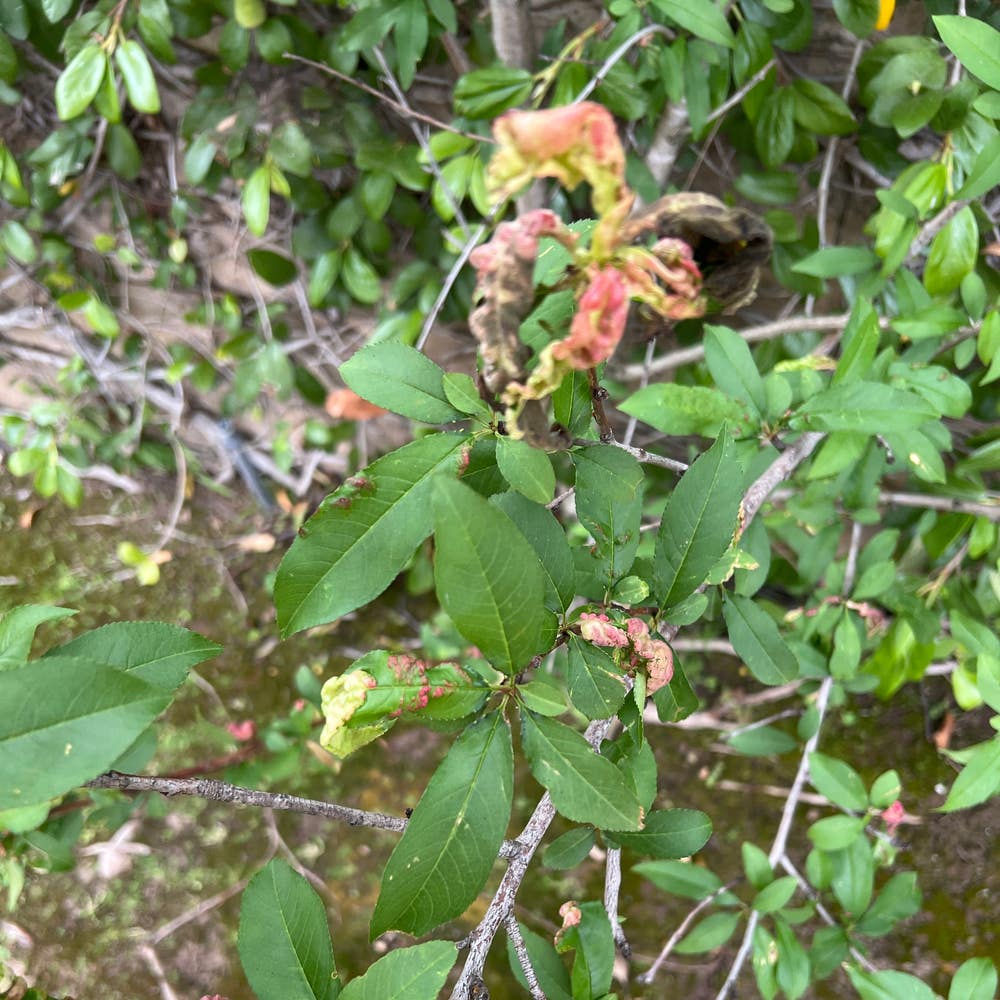
Fungal infections like peach leaf curl and brown rot can wreak havoc on your tree. Look for curled leaves or brown spots to identify these issues early.
Bacterial infections, such as bacterial spot, also pose a threat. Recognizing the signs, like dark lesions on leaves, can help you take action before the problem escalates.
Assessing Environmental Conditions 🌍
Check soil moisture levels to determine if your tree is experiencing overwatering or drought stress. Both conditions can lead to leaf drop and overall decline.
Ensure your peach tree receives adequate sunlight. Insufficient light can weaken the tree, making it more susceptible to various issues, including leaf drop.
Understanding these diagnostic signs is essential for maintaining a healthy peach tree. By identifying the root causes of leaf drop, you can take effective steps to restore your tree's vitality and ensure a bountiful harvest.
Preventive Measures
Proper Watering Techniques 🌊
Watering your peach tree correctly is crucial for its health. Aim for deep watering every 1-2 weeks during dry spells to ensure the roots get enough moisture.
Soil drainage is equally important. Make sure your soil drains well to prevent root rot, which can lead to leaf drop.
Soil Health and Amendments 🌱
Regular soil testing is essential for maintaining nutrient levels. By understanding your soil's composition, you can make informed decisions about necessary amendments.
Incorporating organic materials like compost can significantly improve soil structure. This not only enhances nutrient availability but also promotes healthy root growth.
Pest Management Strategies 🐞
Regular monitoring of your peach tree is key to catching pests early. Inspect leaves and branches frequently to identify any signs of trouble.
Consider introducing beneficial insects, such as ladybugs and lacewings. These natural predators can help keep pest populations in check without the need for chemicals.
Seasonal Care Routines 🌸
Spring is the perfect time to prepare your peach tree for growth. Fertilize and prune before new growth begins to set the stage for a fruitful season.
In the fall, focus on maintenance tasks like cleaning up fallen leaves. This simple step can prevent diseases from taking hold during the winter months.
By implementing these preventive measures, you can create a thriving environment for your peach tree. This proactive approach not only enhances growth but also minimizes the risk of leaf drop.
Next, let’s explore effective treatment options to address any issues that may arise.
Treatment Options
Fertilization Methods for Peach Trees 🌱
Fertilizing your peach trees is essential for their health and productivity. Use balanced NPK fertilizers, which provide nitrogen, phosphorus, and potassium in the right proportions.
Timing is crucial; fertilize in early spring to kickstart growth and again in late summer to prepare the tree for dormancy. This approach ensures your peach trees have the nutrients they need throughout the growing season.
Organic and Chemical Pest Control 🐞
Managing pests effectively can make a significant difference in your peach tree's health. Start with organic options like neem oil and insecticidal soap, which are safer for the environment and beneficial insects.
If pest problems escalate, consider chemical treatments as a last resort. Always follow label instructions to minimize harm to your tree and surrounding ecosystem.
Fungal Disease Treatments 🍄
Fungal infections can be detrimental to peach trees, so early intervention is key. Apply fungicides at the first sign of trouble to prevent further spread.
In addition to chemical treatments, adopt cultural practices that enhance tree health. Improving air circulation and avoiding overhead watering can significantly reduce the risk of fungal diseases.
Adjusting Watering Practices 💧
Watering practices play a vital role in maintaining your peach tree's health. Regularly monitor soil moisture using a moisture meter to avoid overwatering, which can lead to root rot.
During rainy periods, adjust your watering frequency accordingly. This simple step can help keep your tree thriving and prevent unnecessary stress.
By implementing these treatment options, you can effectively address the challenges your peach trees face. Next, let’s explore how to monitor and maintain their health for long-term success.
Monitoring and Maintenance
Regular Inspection Routines 🌿
Regular inspections are crucial for maintaining the health of your peach tree. Aim for weekly checks to look for signs of stress or pests on leaves and branches.
Keep a log of your observations. Documenting any changes in tree health can help you identify patterns and address issues promptly.
Seasonal Checklists for Peach Tree Care 📅
Creating seasonal checklists can streamline your peach tree care. In spring, focus on pruning, fertilizing, and managing pests to prepare for new growth.
As fall approaches, prioritize leaf cleanup and prepare your tree for winter. This proactive approach helps prevent diseases and ensures a healthy tree for the next growing season.
Importance of Pruning and Thinning ✂️
Pruning is essential for improving airflow and overall tree health. Remove any dead or diseased branches to encourage better growth.
Thinning fruit is another vital practice. It reduces stress on the tree, allowing for healthier fruit development and a more robust harvest.
By implementing these monitoring and maintenance strategies, you'll set your peach tree up for success. Next, let’s explore effective treatment options to address any issues that may arise.
⚠️ Safety First
This content is for general information and may contain errors, omissions, or outdated details. It is not medical, veterinary advice, or an endorsement of therapeutic claims.
Always consult a qualified healthcare professional before using any plant as food, medicine, or supplement.
Never eat any plant (or feed one to pets) without confirming its identity with at least two trusted sources.
If you suspect poisoning, call Poison Control (800) 222-1222, the Pet Poison Helpline (800) 213-6680, or your local emergency service immediately.
Spotted an error? Please report it here.
Keep your peach tree thriving 🍑 by using Greg's tailored reminders for nutrient management and soil moisture, ensuring you never miss a beat in your care routine!