Direct Sunlight and Your Peach 🍑
Prunus persica
By the Greg Editorial Team
Oct 04, 2024•5 min read
This article was created with the help of AI so we can cover more plants for you. May contain errors. See one? Report it here.
- 🌞 Peach trees need 6-8 hours of direct sunlight daily for optimal growth.
- 🚫 Indirect sunlight is insufficient; monitor for signs of stress like leaf scorch.
- 💧 Adequate moisture is vital to prevent sunburn and maintain healthy fruit development.
Definition of Direct Sunlight
🌞 Explanation Suitable for Children
Direct sunlight is the light that comes straight from the sun without anything blocking it, like clouds or trees. Imagine standing outside on a sunny day; the warmth you feel on your skin is the direct sunlight.
🌈 Contrast with Indirect Sunlight
Indirect sunlight is different; it’s light that gets scattered or reflected. For example, when sunlight comes through a window or bounces off walls, it’s indirect.
If you’re sitting in the shade of a tree, the sun's rays aren’t hitting you directly, which is a perfect example of indirect sunlight. Understanding these differences helps us know how plants, like peach trees, thrive in various light conditions.
Peach Tree Sunlight Needs
Does the Peach Tree Need Direct Sunlight? 🌞
Peach trees thrive on direct sunlight, which is crucial for their healthy growth and fruit production. They need a minimum of 6-8 hours of direct sunlight each day to flourish.
Can Peach Trees Tolerate Direct Sunlight? 🕶️
While peach trees can handle direct sunlight, excessive exposure without enough moisture can lead to sunburn or leaf scorch. It's important to note that different peach varieties may have varying tolerances to sunlight.
Effects of Too Much Direct Sunlight ☀️
Too much direct sunlight can stress peach trees, leading to signs like leaf scorch, wilting, and reduced fruit quality. Ensuring adequate moisture is key to mitigating these effects and keeping your peach trees healthy.
Understanding the sunlight needs of peach trees is essential for successful cultivation. Next, we’ll explore how window direction impacts sunlight exposure for these delightful trees.
Window Direction and Sunlight
🌞 Importance of Window Direction
When it comes to growing peach trees indoors, window direction matters significantly. South-facing windows are the gold standard, providing the most direct sunlight, which is crucial for healthy growth.
East-facing windows can also be beneficial, offering morning sun that helps kickstart the day. However, this may not be enough for full growth, so keep an eye on your peach tree's needs.
🌅 How Window Direction Affects Sunlight Exposure
North-facing windows are generally a no-go for peach trees. They receive limited direct sunlight, making them unsuitable for these sun-loving plants.
West-facing windows can be a mixed bag. While they provide intense afternoon sun, it's essential to monitor your peach tree for signs of stress, such as wilting or leaf scorch. Balancing sunlight exposure is key to keeping your peach tree thriving.
As you consider window direction, remember that the right light can make all the difference in your peach tree's health and productivity. Now, let's explore how different hemispheres affect sunlight intensity for peach trees.
Hemisphere Considerations
🌞 Differences in Sunlight Intensity by Hemisphere
In the Northern Hemisphere, peach trees enjoy longer days during summer, which means they bask in ample sunlight. This abundance is crucial for their growth and fruit production.
Conversely, in the Southern Hemisphere, seasonal variations can significantly impact sunlight exposure. During winter months, peach trees may need extra care to thrive, as shorter days can limit their sunlight intake.
🍂 Seasonal Changes in Sunlight for Peach Trees
Spring is a magical time for peach trees, as increasing sunlight encourages flowering and fruit set. This is when you’ll see those beautiful blossoms starting to emerge.
As summer rolls in, the sunlight reaches its peak intensity. It's essential to monitor your trees for any signs of heat stress during these hot months.
When fall arrives, sunlight begins to wane. This is the time to prepare your peach trees for dormancy, ensuring they are ready to rest and rejuvenate for the next growing season.
Understanding these seasonal changes helps you provide the best care for your peach trees, ensuring they remain healthy and productive year after year.
Sunlight and Peach Health
🌞 Role of Sunlight in Peach Growth
Sunlight is crucial for photosynthesis, the process that fuels growth and fruiting in peach trees. When peach trees receive adequate sunlight, they produce more flowers and higher-quality fruit.
🌤️ Signs of Sunlight Stress in Peach Trees
Recognizing sunlight stress is vital for maintaining healthy peach trees.
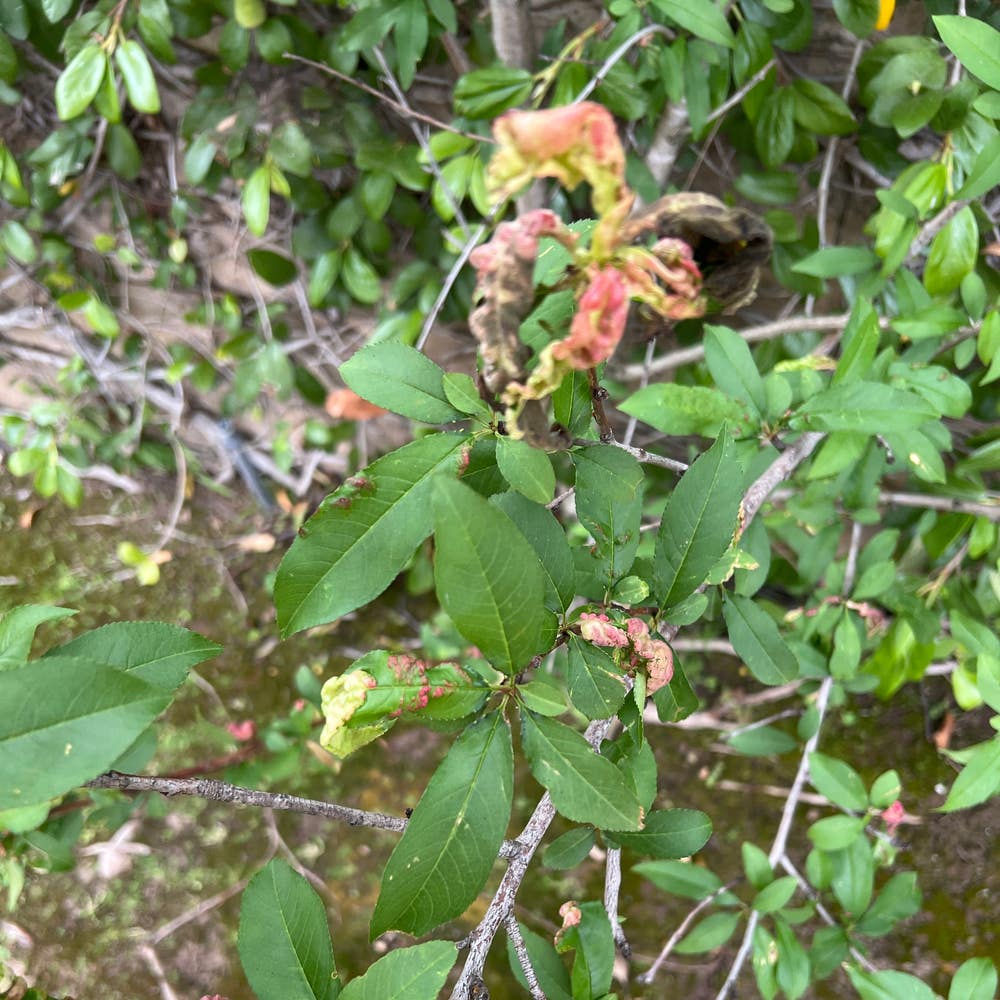
- Leaf scorch: Look for brown edges or spots on leaves, indicating too much direct sunlight.
- Wilting: If leaves droop or curl, it’s a sign of moisture deficiency.
- Poor fruit development: Small or misshapen peaches can signal insufficient sunlight or stress.
🌈 Tips for Managing Sunlight Exposure
Adjusting Light for Indoor Peach Trees
- Positioning: Place your peach tree near south or west-facing windows to maximize sunlight.
- Rotating: Rotate the tree periodically to ensure even light exposure on all sides.
🕶️ Using Shades or Filters for Excessive Sunlight
To protect your peach tree from harsh sunlight, consider these simple solutions:
- Use sheer curtains or shades to diffuse intense rays.
- Reflective materials can redirect light without completely blocking it, ensuring your tree gets the right amount of exposure.
By managing sunlight effectively, you can promote vibrant growth and delicious fruit in your peach trees. Next, let’s explore how window direction impacts sunlight exposure for these lovely trees.
⚠️ Safety First
This content is for general information and may contain errors, omissions, or outdated details. It is not medical, veterinary advice, or an endorsement of therapeutic claims.
Always consult a qualified healthcare professional before using any plant as food, medicine, or supplement.
Never eat any plant (or feed one to pets) without confirming its identity with at least two trusted sources.
If you suspect poisoning, call Poison Control (800) 222-1222, the Pet Poison Helpline (800) 213-6680, or your local emergency service immediately.
Spotted an error? Please report it here.
Give your peach tree the sunlight it craves 🌞 with Greg's tailored reminders and tips to ensure it thrives and bears delicious fruit!