🐝 Ultimate Guide to Managing Pests on Nectarine

Prunus persica

By the Greg Editorial Team

Nov 22, 20246 min read

This article was created with the help of AI so we can cover more plants for you. May contain errors. See one? Report it here.

  1. πŸ•·οΈ Spider mites and scale insects can severely weaken nectarines; early detection is crucial.
  2. 🌱 Healthy soil and regular inspections enhance pest resistance and promote plant vitality.
  3. πŸŒΏπŸ” Integrated Pest Management (IPM) combines methods for effective, eco-friendly pest control.

Common Pests

πŸ•·οΈ Spider Mites

Identification and Signs of Infestation

Spider mites are tiny, spider-like creatures that often hide on the undersides of leaves. Look for fine webbing and signs of stippling or yellowing leaves as indicators of an infestation.

Damage Caused by Spider Mites

These pests can cause significant damage, leading to discolored leaves that may drop prematurely. Ultimately, this results in reduced fruit yield and quality, impacting your harvest.

Treatment Options

For chemical control, use miticides specifically designed to target spider mites. Alternatively, organic options include neem oil, insecticidal soap, and introducing predatory mites to keep their population in check.

🐒 Scale Insects

Identification and Signs of Infestation

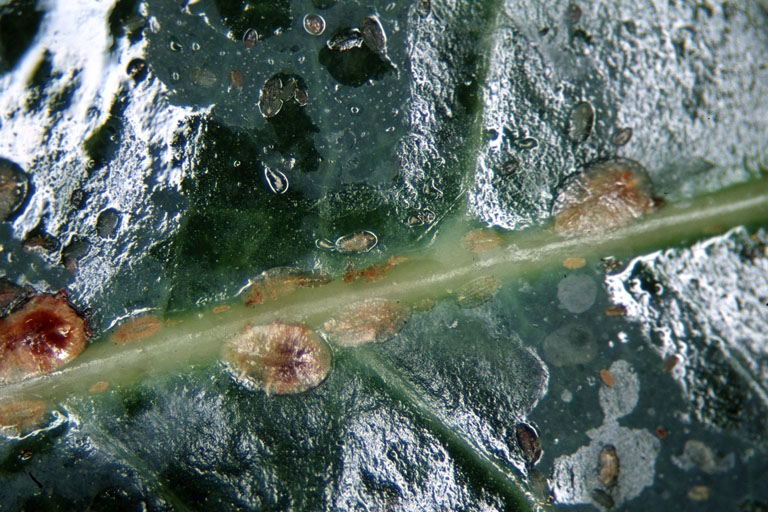
Scale insects appear as small, immobile bumps on stems and leaves. You may notice sticky leaves due to honeydew excretion, a telltale sign of their presence.

Damage Caused by Scale Insects

These pests can weaken your plants, reducing their vigor and potentially leading to dieback. It's crucial to address scale infestations promptly to maintain plant health.

Treatment Options

Chemical treatments involve systemic insecticides that penetrate the plant. For organic solutions, consider using horticultural oils or manually removing the scales.

🦟 Fungus Gnats / Fruit Flies

Identification and Signs of Infestation

Fungus gnats are small, dark flies that hover around the base of your plants. Look for larvae in the soil and adult flies near the fruit as signs of an infestation.

Damage Caused by Fungus Gnats and Fruit Flies

The larvae can cause root damage by feeding on them, while adult flies may damage the fruit. This dual threat can significantly affect your plant's health and productivity.

Treatment Options

Chemical control involves using insecticides that target adult flies. For organic methods, sticky traps, beneficial nematodes, and maintaining dry soil conditions can effectively manage these pests.

πŸ› Mealybugs

Identification and Signs of Infestation

Mealybugs are identifiable by their white, cottony masses on stems and leaves. You may also notice sticky residue and yellowing leaves as signs of their presence.

Damage Caused by Mealybugs

These pests can stunt growth and lead to potential fruit drop, which can be frustrating for any gardener. Early detection is key to preventing severe damage.

Treatment Options

Chemical options include insecticides specifically formulated for mealybugs. Organic treatments involve using alcohol wipes, neem oil, and introducing natural predators to your garden.

🐜 Aphids

Identification and Signs of Infestation

Aphids are small, soft-bodied insects often found in clusters on new growth. Signs of their presence include curling leaves and sticky residue known as honeydew.

Damage Caused by Aphids

These pests can stunt growth, distort leaves, and even transmit plant viruses. Their rapid reproduction makes it essential to act quickly if you spot them.

Treatment Options

For chemical control, systemic insecticides can be effective. Organic alternatives include insecticidal soap, neem oil, and attracting beneficial insects like ladybugs to your garden.

Understanding these common pests and their management options is crucial for maintaining healthy nectarine trees. With the right knowledge and tools, you can protect your plants and enjoy a bountiful harvest.

Pest Resistance

🌿 Natural Pest Resistance

Nectarines have a remarkable ability to resist certain types of aphids. This natural resistance can significantly reduce the impact these pests have on your trees, making your gardening experience a bit easier.

πŸ› Pests Less Likely to Affect Nectarine

Interestingly, some pests, like specific caterpillars, tend to be less prevalent on nectarines compared to other stone fruits. This can be a relief for gardeners, as it means fewer headaches when it comes to pest management.

Understanding these natural resistances can help you make informed decisions about pest control strategies. By leveraging the innate strengths of nectarines, you can cultivate healthier trees and enjoy a bountiful harvest.

As we move forward, let's explore effective prevention strategies to keep your nectarines thriving.

Prevention

πŸ›‘οΈ Preventative Measures

Regular inspections of your nectarine plants are crucial for catching pests early. Look for any unusual signs, such as discoloration or webbing, which can indicate an infestation before it spirals out of control.

Healthy soil and proper watering practices are also essential. Strong plants are better equipped to resist pests, so ensure your soil is rich in nutrients and your watering routine is consistent.

🧼 Plant Hygiene and Inspection Routines

Maintaining cleanliness around your plants can significantly reduce pest habitats. Remove fallen fruit and debris regularly, as these can attract unwanted visitors.

Using clean tools is another simple yet effective strategy. This practice helps prevent the spread of pests from one plant to another, keeping your nectarines safe and thriving.

By implementing these preventative measures, you can create a healthier environment for your nectarines, making them less susceptible to pest issues. This proactive approach sets the stage for effective pest management down the line.

Next, let's explore general pest management strategies that can help you maintain a thriving nectarine garden.

General Pest Management

🌱 Integrated Pest Management (IPM) Principles

Integrated Pest Management (IPM) is a holistic approach to pest control that combines cultural, biological, and chemical methods. This strategy not only targets pests effectively but also minimizes environmental impact.

Monitoring pest populations is crucial in IPM. By establishing action thresholds, you can determine when to intervene, ensuring that you act before infestations escalate.

πŸ” Importance of Early Detection

Catching pest problems early can save you time, effort, and money. Regular monitoring of your nectarine plants allows you to spot issues before they cause significant damage.

Early detection reduces control costs and helps maintain the health of your plants. By staying vigilant, you can enjoy a thriving garden with minimal pest interference.

As you implement these pest management strategies, remember that a proactive approach is key. This sets the stage for healthier plants and a more fruitful harvest.

Distinguishing Between Similar Pests

πŸ•΅οΈβ€β™‚οΈ Tips for Differentiation

Identifying pests can be tricky, but a close examination of size, color, and behavior can make all the difference. Take your time to observe these characteristics, as they are key to accurate identification.

Using pest pictures as a reference can also help you distinguish between similar pests. A quick glance at a reliable image can clarify whether you're dealing with aphids or mealybugs.

πŸ” Visual Cues and Characteristics

Look for specific markings and feeding patterns that can help you differentiate pests. For instance, aphids are often green or black and tend to cluster on new growth, while mealybugs present as white, cottony masses on stems and leaves.

Additionally, pay attention to the damage types caused by these pests. Aphids may cause curling leaves and sticky residue, while mealybugs can lead to stunted growth and potential fruit drop. Understanding these visual cues will empower you to manage your nectarine plants effectively.

With these tips in mind, you’ll be better equipped to identify and tackle pest issues before they escalate. Next, let’s explore the importance of early detection in pest management.

⚠️ Safety First

This content is for general information and may contain errors, omissions, or outdated details. It is not medical, veterinary advice, or an endorsement of therapeutic claims.

Always consult a qualified healthcare professional before using any plant as food, medicine, or supplement.

Never eat any plant (or feed one to pets) without confirming its identity with at least two trusted sources.

If you suspect poisoning, call Poison Control (800) 222-1222, the Pet Poison Helpline (800) 213-6680, or your local emergency service immediately.

Spotted an error? Please report it here.

Protect your nectarines from pesky pests 🐞 with Greg's tailored pest alerts and identification tools, ensuring a bountiful harvest every season!